

Most people don't wake up one morning and suddenly decide to have cosmetic surgery.
Usually, the thought has been there for a while.
Maybe you have always been conscious of the shape of your nose. Perhaps pregnancy or weight changes have changed parts of your body in ways you weren't expecting. Or you may simply have reached a point where you want to explore whether something that has bothered you for years can be changed.
Whatever brought you here, there is one thing worth remembering: wanting a procedure and being ready for one are not quite the same thing.
Before choosing cosmetic surgery, it helps to ask yourself a few honest questions.
Is this something you've wanted for a while?
There is a difference between a long-standing concern and a sudden reaction.
If you've thought about changing the same feature for years, your reasons are probably quite different from someone who started considering surgery after seeing a trend online or receiving a negative comment about their appearance.
Give yourself some room to separate the two.
Ask yourself:
If nobody else had an opinion about this part of my appearance, would I still want to change it?
There isn't a right or wrong answer. The point is to understand whose decision you're making.
Cosmetic surgery should ultimately be something you choose for yourself.
Can you explain what you actually want to change?
This sounds obvious, but it is surprisingly important.
“I want to look better” is very different from saying, “I've always felt that my nose looks out of proportion with the rest of my face,” or “I'm uncomfortable with the heaviness of my breasts.”
The clearer you are about the concern, the more useful your consultation can be.
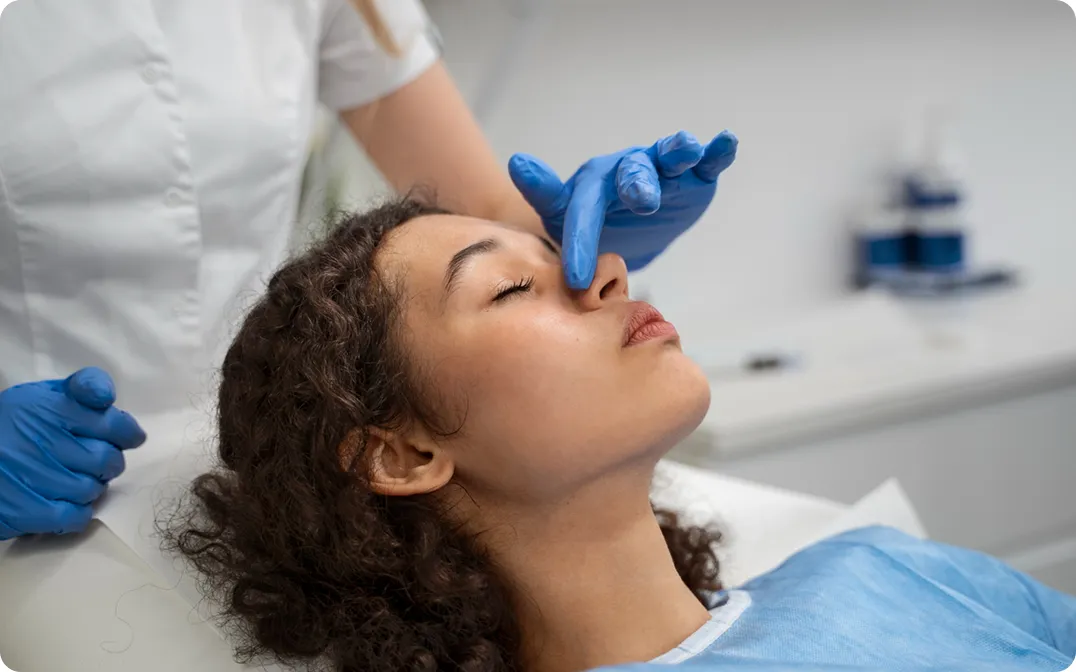
Someone researching Rhinoplasty surgery in Whitefield, for example, might be concerned about the bridge, tip, width or overall size of the nose. Those are different concerns and may require different conversations about what can realistically be changed.
The procedure should follow the problem—not the other way around.
Are you looking for improvement, or perfection?
This is probably one of the most important distinctions to make before cosmetic surgery.
Surgery can change certain aspects of your appearance. It cannot give everyone the same result, and it cannot guarantee a “perfect” face or body.
Your bone structure, skin, age, proportions and healing response all matter.
That is also why bringing a celebrity photograph or a filtered image to a consultation can only go so far. It may help communicate what you like, but another person's features cannot simply be transferred onto yours.
A thoughtful consultation with an Expert plastic surgeon in Bangalore should include a conversation about what is realistically possible for your anatomy—not just what looks attractive in a photograph.
Sometimes that discussion confirms what you were hoping for.
Sometimes it changes the plan.
Both can be useful outcomes from a consultation.
Have you thought about the recovery, not just the result?
It is easy to picture the finished result.
The days and weeks in between tend to get less attention.
Recovery differs from one procedure to another, but it can temporarily affect ordinary things like working, exercising, driving, sleeping comfortably or managing things around the house.
Before scheduling surgery, think about your actual life.
Can you take time off work if needed?
Do you have someone who can help you during the first few days?
Are you prepared to pause gym sessions or other strenuous activities?
Do you have travel plans coming up?
These practical questions aren't minor details. They are part of the surgery.
And healing rarely follows the neat before-and-after timeline we see on social media. Swelling can take time to settle. Some changes appear gradually. The result you see a week after surgery may not be the result you see months later.
Do you understand what the procedure is meant to do?
Cosmetic surgery covers many very different procedures.
Rhinoplasty changes aspects of the nose. Liposuction addresses selected areas of excess fat. Breast reduction is designed to reduce and reshape breast tissue. Facelift and eyelid procedures address different signs of facial ageing.
People sometimes group procedures together because they fall under “cosmetic surgery,” but they shouldn't be treated as interchangeable.
Someone researching Breast reduction & Liposuction, for instance, should understand that these operations solve different problems and involve different approaches to recovery.
The best question isn't, “Which procedure is popular?”
It is, “Which procedure, if any, makes sense for what I'm trying to address?”
Is your health part of the conversation?
Cosmetic surgery is still surgery.
That means your medical history matters.
A surgeon may ask about existing health conditions, medications, previous procedures, allergies, smoking, or other factors that could affect surgery and recovery.
Sometimes additional tests are recommended before proceeding.
These questions aren't formalities. They help determine whether surgery is appropriate and whether extra precautions are needed.
This is another reason why a proper consultation should come before making up your mind about a procedure.
Have you asked about the things that could go wrong?
People understandably want to know what surgery can improve.
But an informed decision also requires understanding the risks.
Depending on the operation and the individual, possible concerns can include infection, bleeding, scarring, altered sensation, delayed healing or complications related to anaesthesia.
That doesn't mean these problems will happen.
It means they deserve to be discussed openly.
If a consultation focuses only on benefits and never gives you space to ask about limitations, risks or alternatives, you are missing an important part of the conversation.
Are you choosing the surgeon carefully?
A surgeon is not something to choose based on a discount, an advertisement or a follower count.
Look deeper.
What are their qualifications?
How much experience do they have with the procedure you're considering?
Where will the operation be performed?
How are follow-ups handled?
What happens if you have concerns during recovery?
Most importantly, pay attention to the consultation itself.
Do you feel listened to?
Can you ask uncomfortable questions?
Are realistic limitations explained, or does everything sound guaranteed?
You should leave the consultation feeling better informed—not pressured to make a booking.
Give yourself permission not to decide immediately
One of the healthiest things you can do when considering cosmetic surgery is take your time.
You do not have to decide during the first consultation.
You don't need to proceed because you've already spent time researching.
And changing your mind doesn't mean the consultation was wasted.
Sometimes the value of speaking with a plastic surgeon is simply gaining clarity about what a procedure involves and whether it fits what you want.
A few questions worth taking with you
Before making the final decision, it may help to sit down and answer these honestly:
- What exactly do I want to change?
- How long have I felt this way?
- Am I doing this for myself?
- What do I expect the surgery to achieve?
- Do I understand what it cannot achieve?
- Can I realistically manage the recovery period?
- Have I discussed my health openly?
- Do I understand the risks?
- Do I trust the surgeon enough to ask difficult questions?
- Would I feel comfortable taking more time before deciding?
If some answers are still unclear, that's okay.
Those are exactly the things a good consultation should help you work through.
The decision should still feel like yours
Cosmetic surgery can be meaningful for someone who has thought carefully about a particular concern and understands what treatment can realistically do.
But there should never be a feeling that surgery is something you have to do.
Trends change. Other people's opinions change. Your decision should not depend on either.
Take the time to understand your concern, your options, the recovery and the possible risks. Speak openly with a qualified plastic surgeon and ask as many questions as you need.
The best starting point isn't certainty about having surgery.
It's having enough information to decide whether surgery genuinely makes sense for you.


























Sign in to leave a comment.