

Before-and-after photos make liposuction look wonderfully simple.
One photo shows the area before treatment. The next shows a flatter abdomen, a more defined waist or a slimmer contour.
What those two photographs leave out is everything in between.
The consultation. The decisions about which areas actually need treatment. The surgery itself. Swelling. Compression garments. Taking a break from exercise. Waiting for the body to settle. And, perhaps most importantly, understanding what liposuction can realistically change.
If you are considering the procedure, that middle part deserves just as much attention as the final result.
Liposuction Is About Shape, Not a Number on the Scale
One of the easiest mistakes to make is thinking of liposuction as a weight-loss procedure.
It isn't really designed that way.
People usually consider liposuction because of a specific area that seems resistant to change.
Maybe your overall weight has been fairly stable, but your lower abdomen still feels fuller than you would like.
Maybe the waist or flanks look out of proportion with the rest of your body.
For someone else, it might be the thighs, upper arms, back or area beneath the chin.
These are contour concerns.
So rather than asking:
“How much weight can I lose through liposuction?”
a better question may be:
“Would reducing this particular area improve the overall proportion of my body?”
That small change in perspective makes a big difference.
Start With the Area That Actually Bothers You
It is tempting to arrive at a consultation already knowing exactly which procedure you want.
But it may be more useful to start by describing the problem.
For example:
“My waist still feels full even though my weight hasn't changed much.”
“My abdomen is the one area that still feels out of proportion.”
“My upper arms don't seem to change despite everything else changing.”
That gives the surgeon something specific to assess.
Liposuction may be considered for areas such as:
- Abdomen
- Waist and flanks
- Hips
- Thighs
- Upper arms
- Back
- Chin and neck
- Selected chest areas in men
The aim is not necessarily to treat every place where fat is present.
Sometimes one well-chosen area can make more sense than trying to change several areas at once.
What Actually Happens During Liposuction?
The procedure itself varies depending on the area being treated and the technique used.
Before surgery, the treatment areas are assessed and marked.
Anaesthesia is planned according to the extent of the procedure.
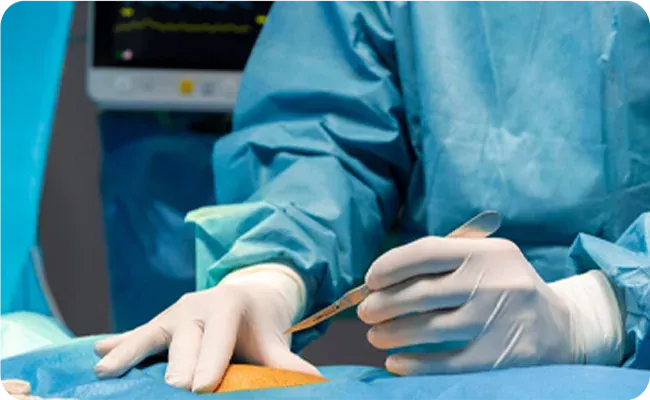
Fat is then removed from the selected area through small access points using specialised surgical instruments.
You may come across different types of liposuction while researching, including:
Traditional Liposuction
A conventional approach to removing selected fat deposits.
Tumescent Liposuction
Fluid is introduced into the treatment area before fat removal.
Power-Assisted Liposuction
A powered cannula assists during the procedure.
Ultrasound-Assisted Liposuction
Ultrasound energy is used as part of the process of treating fat before removal.
VASER Liposuction
A form of ultrasound-assisted liposuction used in selected body-contouring procedures.
Laser-Assisted Liposuction
Laser energy is used to assist with treatment of the targeted fat.
It is easy to get caught up comparing technology.
But the procedure with the most impressive name is not automatically the best option for every person.
The treatment area, body proportions, skin quality and surgical plan all matter.
Skin Can Change the Conversation Completely
This is something people don't always think about before researching liposuction.
Fat isn't the only thing that determines body contour.
Skin matters too.
After fat is removed, the skin needs to adapt to the new shape underneath.
Someone with relatively good skin elasticity may have a very different result from someone who has significant loose skin.
This becomes especially relevant after pregnancy, major weight changes or ageing.
Imagine two people who both dislike the appearance of their abdomen.
The first mainly has localised fat.
The second has localised fat plus considerable loose skin.
They may walk into a clinic asking for the same procedure.
But liposuction alone may not solve both problems.
That is why an assessment should come before deciding on the operation.
Liposuction and Tummy Tuck Aren't the Same Thing
These procedures often appear together when people start researching abdominal contouring.
But they are not interchangeable.
Liposuction primarily addresses unwanted fat.
A tummy tuck may be discussed when excess abdominal skin also needs to be addressed.
So if the concern is mainly localised fat and the skin has reasonable elasticity, liposuction may be relevant.
If loose skin is a major part of the problem, removing fat alone may not produce the change the patient has in mind.
The useful question isn't:
“Which procedure is better?”
It is:
“Which procedure actually treats the thing that is bothering me?”
Recovery Is Where Real Life Enters the Picture
This part doesn't usually make it into transformation photos.
After surgery, swelling and bruising can occur. There may also be temporary soreness or tightness in the treated areas.
Compression garments may be advised during recovery.
And then there are all the ordinary things that still need to happen.
Work.
Driving.
Exercise.
Household responsibilities.
Travel.
Sleep.
Before surgery, it helps to think through your actual schedule.
How Much Time Might You Need Away From Work?
That depends partly on the extent of treatment and the type of work you do.
Someone with a desk-based role may have a different recovery plan from someone whose work is physically demanding.
When Can Exercise Resume?
Strenuous exercise will usually need to wait until your surgeon feels it is appropriate.
Walking and normal daily activity may return sooner.
Will You Need Help at Home?
If your routine involves lifting, childcare or physically demanding tasks, some temporary support may make recovery easier.
Planning these things beforehand is much better than discovering them afterwards.
The Result You See First Isn't the Result You Keep
It is completely natural to want to see the difference immediately.
But early swelling can make that difficult.
The treated area generally begins to change as swelling settles, and further improvement can become clearer over the following weeks and months.
That means looking in the mirror a few days after surgery and deciding whether the procedure “worked” may be far too early.
A better question to ask during consultation is:
“When should I realistically start judging the final result?”
Knowing the expected timeline beforehand can make the recovery period much less confusing.
Can Fat Come Back After Liposuction?
Liposuction removes fat cells from the treated area.
But the body can still change.
Remaining fat cells can increase in size if a person gains weight.
Pregnancy, ageing and future changes in weight can also affect body contour.
So while the result can be long-lasting, maintaining a stable weight remains useful.
Liposuction changes the contour you start with.
It doesn't make the body permanently resistant to change.
What About Combining Procedures?
Sometimes people are dealing with more than one concern.
Pregnancy or significant weight fluctuation, for example, may affect both the abdomen and breasts.
That is why someone may research Breast reduction & Liposuction as part of the same broader treatment plan.
But these procedures have different goals.
Breast reduction is intended to reduce and reshape breast tissue.
Liposuction removes selected fat deposits from chosen areas of the body.
Whether both procedures should be considered together depends on the individual's health, anatomy, overall surgical plan and recovery requirements.
More surgery does not automatically equal a better result.
What Are the Risks?
Liposuction may be familiar, but it is still a surgical procedure.
Common temporary effects can include swelling and bruising.
Possible complications may include:
- Infection
- Contour irregularities
- Bleeding
- Changes in sensation
- Delayed healing
- Other surgery or anaesthesia-related complications
Individual risks can vary depending on the person and the extent of the procedure.
This is why a conversation with an Expert plastic surgeon in Bangalore should involve much more than choosing a body area and discussing cost.
A proper consultation should cover:
- Whether liposuction is appropriate
- What kind of change is realistic
- Which technique may be considered
- Recovery expectations
- Potential risks
- Limitations of the procedure
- Follow-up care
You should understand the less exciting parts of the procedure just as clearly as the benefits.
Choosing a Surgeon Is Part of the Procedure Too
The surgeon you choose affects much more than the day of surgery.
Look at qualifications, training and experience with body-contouring procedures.
But also pay attention to the consultation itself.
Does the surgeon listen to what actually bothers you?
Do they explain what liposuction cannot fix?
Do they discuss recovery realistically?
Are you comfortable asking questions about risks?
A useful consultation should make the decision clearer, not create pressure to schedule surgery quickly.
Questions Worth Asking Before You Decide
If you're considering liposuction, take a few practical questions with you:
- Is liposuction actually suitable for my concern?
- Is the problem mainly fat, loose skin, or both?
- Which areas would you recommend treating?
- Which liposuction technique would you consider in my case?
- How will my skin elasticity affect the result?
- What should I expect during the first week?
- Will I need compression garments?
- When can I go back to work?
- When can I return to exercise?
- What risks are most relevant to me?
- When should I expect the final result?
- Would another body-contouring procedure address the concern better?
You don't need to make a decision the moment those questions are answered.
Take the information home.
Think about it.
A cosmetic procedure doesn't become a better decision because it is made quickly.
What Liposuction Is Really Trying to Achieve
The goal of liposuction shouldn't be to remove as much fat as possible.
It should be to make a thoughtful change to body contour.
Sometimes that means treating the abdomen.
Sometimes it is the waist, thighs or arms.
Sometimes the real concern turns out to be loose skin rather than fat.
And sometimes another procedure may make more sense.
That is why good liposuction planning begins long before surgery.
It starts with understanding what is actually bothering you, what the procedure can realistically change, and what recovery will require.
The before-and-after photographs may be what first catches your attention.
But everything that happens between those two photographs is what helps you decide whether liposuction is truly the right procedure for you.




























Sign in to leave a comment.