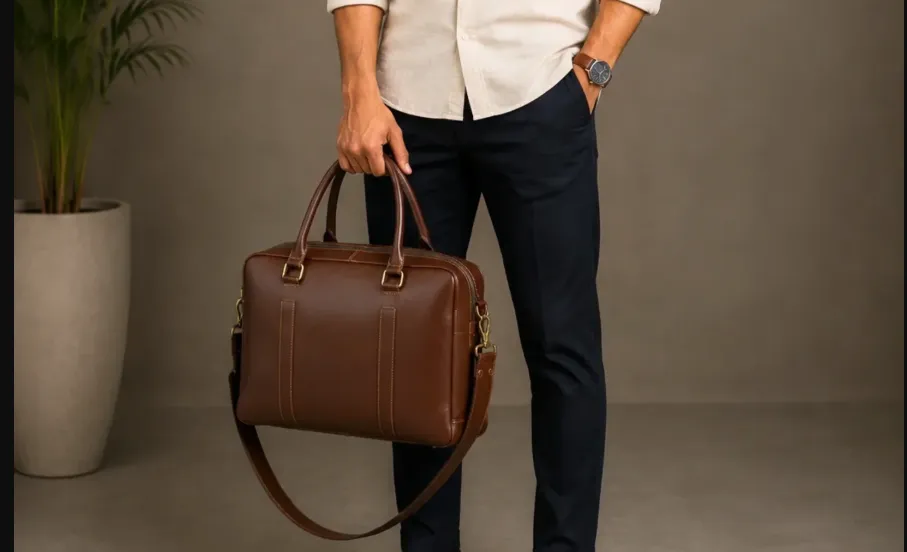

If you spend a lot of time working on the go, carrying a laptop around quickly makes you realize how much your bag matters. For a long time, I carried standard nylon backpacks. They were fine, but they always felt out of place during client meetings or nicer dinners after work. Moving to a well-made leather bag completely changed that. Beyond looking sharp, good leather simply holds up against daily abuse far better than synthetic fabrics.
Finding the right luxury leather laptop bag, however, isn’t as simple as picking the first nice-looking option online. Between different leather cuts, bag shapes, and craftsmanship methods, there is a lot to consider before spending your hard-earned money.
Breaking Down the Main Bag Styles
Over the past few years, I’ve tried almost every major style of bag out there. Choosing the right one mostly comes down to how much stuff you carry and how you move through your day.
- The Modern Briefcase: Forget the hard, boxy briefcases of the 1990s. Today’s luxury briefcases are soft, supple, and designed for modern tech. They give you a sharp, professional look with padded laptop sleeves and just enough room for papers, notebooks, and a charger.
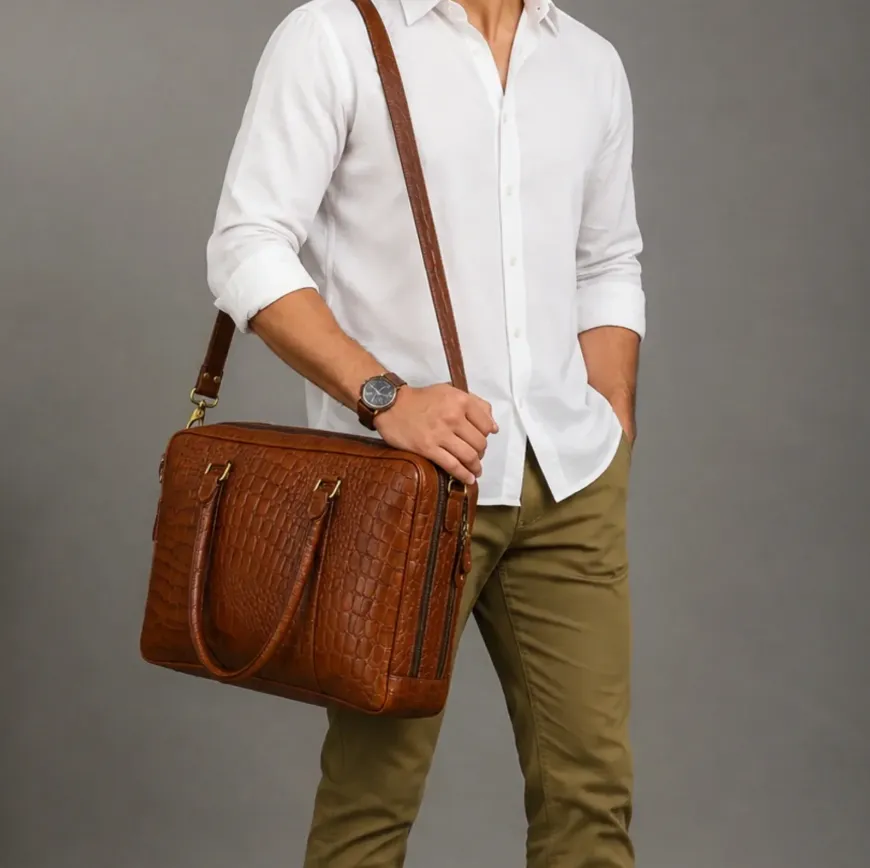
- The Messenger Bag: If you jump between coffee shops, short commutes, and informal meetings, a messenger style is hard to beat. The cross-body strap keeps your hands free, and the flap closure gives you quick access to your gear without taking the bag off.
- The Leather Backpack: A few years ago, leather backpacks felt a bit juvenile for corporate settings. That has completely changed. A clean, minimal leather backpack gives you comfortable weight distribution across both shoulders while still looking completely professional.
- The Leather Portfolio Sleeve: On light travel days when you only need a laptop, a notebook, and a pen, a heavy bag is overkill. A sleek sleeve protects your device and slips neatly under your arm.
What Makes Fine Craftsmanship Stand Out?
The real difference between a decent bag and a true luxury piece comes down to the materials and how it’s built.
Leather Grades: Full-Grain vs. The Rest
If you take away one piece of advice from this guide, let it be this: always look for full-grain leather. It uses the top layer of the hide, meaning it retains all the natural strength and texture of the skin. Instead of wearing down and peeling after a year, full-grain leather actually looks better the more you use it, developing a rich, unique sheen called a patina. Lower grades, like genuine leather or bonded leather, use scrap pieces glued together and rarely last long.
The Value of Handmade Construction
Mass-produced bags are put together as quickly as machine lines allow, often using cheap plastic threads and thin metal zippers that snag after a few months. On the other hand, handmade leather laptop bags rely on traditional hand-stitching techniques and heavy-duty brass or steel hardware. Hand-stitched seams are much stronger because if one thread happens to nick, the rest of the stitch holds tight instead of unraveling completely.
Hands-On Buyer Checklist
To save you from buyer’s remorse, keep these practical details in mind before making your decision:
- Measure your device, not just the screen size: A 15-inch laptop with thick bezels won't fit into a sleeve designed for a ultra-thin 15-inch model. Measure the outer dimensions of your computer first.
- Check the hardware: Pull the zippers back and forth. Look at the strap hooks. Solid brass or stainless steel hardware will never snap under the weight of a heavy laptop and power brick.
- Inspect the interior lining: Thin synthetic linings tear easily on sharp charger prongs. Look for durable cotton canvas, soft micro-suede, or raw leather interiors that can take a beating.
- Look at the shoulder pad: Leather gets heavy quickly once you add a laptop, charger, water bottle, and notebooks. Make sure the shoulder strap includes thick, movable padding.
Keeping Your Leather in Top Shape
A good leather bag doesn't require constant maintenance, but a little bit of care goes a long way:
- Wipe off dust with a dry microfiber cloth once a week.
- Rub in a high-quality leather conditioner every four to six months to keep the hide soft and prevent it from drying out.
- If you get caught in heavy rain, let the bag air dry naturally at room temperature. Never use a hairdryer or place it near a heater, as direct heat will crack the leather.
Wrapping Up
Upgrading to a high-end leather carry is an investment in your daily comfort and professional image. By sticking to full-grain materials, solid hardware, and a silhouette that matches your actual daily routine, you get a reliable piece that lasts for decades rather than seasons.
While researching craftsmen who still build items the traditional way, I spent time checking out the lineup at Luxury Handicraft. Their focus on combining traditional leatherworking skills with practical interior design for modern tech makes them a great option to look into if you appreciate authentic, durable leatherwork.
























Sign in to leave a comment.