

A flat tire never comes at a good time. It happens on a rainy morning or right before an important meeting. Most drivers in Whitby ignore their tires until trouble starts.
This guide covers buying, repairs and basic care in plain, simple words. Read it before your next visit to a tire shop Whitby drivers use.
Signs Your Tires Need Attention
Tires shows some signs of attention. Start with the tread. Put a coin in the groove. If you can see the whole top of the coin, the tread is low. A professional can measure it better, but this quick test works at home.
Look at the sides too. Cracks, bumps or bubbles are bad news. A bulge means the inside is damaged. Do not wait on that one.
Notice how the car feels. Does it shake at higher speeds? Does the steering pull to one side? These signs can point to worn tires, bad balance or alignment trouble.
Age matters as well. Every tire has a four-digit date code on the sidewall. The code 3224 means week 32 of 2024. Most tires should go after six years, even if the tread looks fine.
Choosing New Tires Without the Confusion
Many people buy tires by price alone. That is a mistake. A cheap tire that slips on wet roads costs more in the end.
Think about your driving first. Do you use the 401 every day? Do you mostly stay in town? Do you carry kids and heavy bags? Your answers matter.
Here are the main types you will see.
- All-season tires suit mild weather and light snow
- Winter tires grip better when there is too much ice on the roads
- All-weather tires work all year
- Summer tires handle well in warm, dry weather
Most Whitby families go for winter tires with a second set of all seasons. Winter tires help most when the temperature drops below 7°C. The rubber on all season tires gets hard in cold weather and loses grip.
Ask your insurance company about winter tire discounts. Many Ontario insurers offer one
When a Puncture Does Not Mean a New Tire
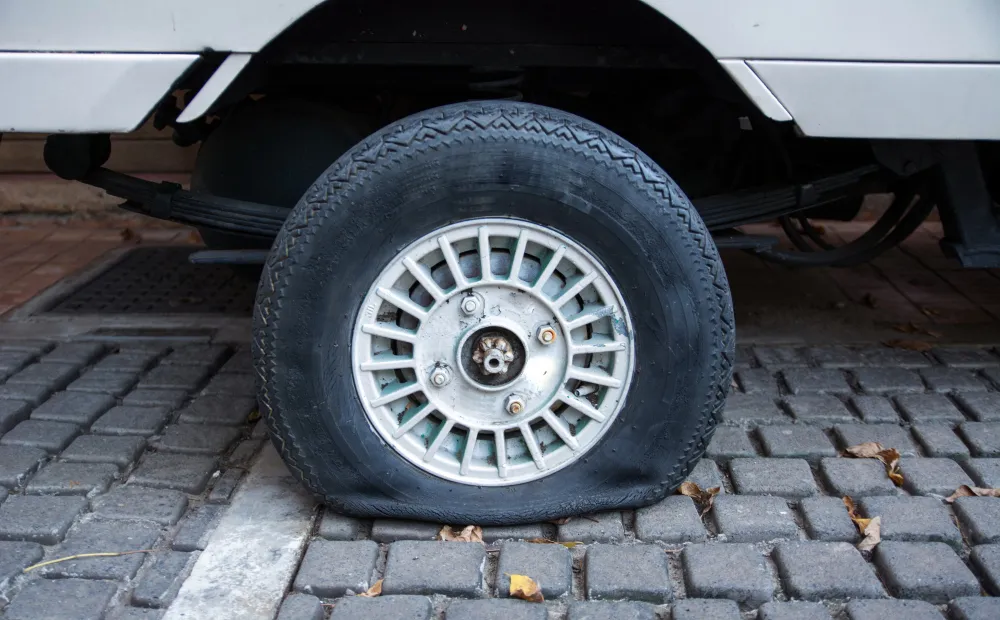
A nail in the tread feels like a big problem. Often it is not. Many small punctures can be fixed in under an hour.
Location matters most. A hole in the middle of the tread is usually safe to repair. Damage on the sidewall is not. The same goes for large cuts and for tires you drove on while flat.
When you search for tire repair near me, ask one thing first. Will the technician take the tire off the rim and check the inside? A quick plug from outside is not enough. The inside can hide damage you cannot see.
If the tire warning light comes on, slow down and stop in a safe spot. Driving even a few kilometres on a flat can ruin the tire.
Switching Tires for the Season
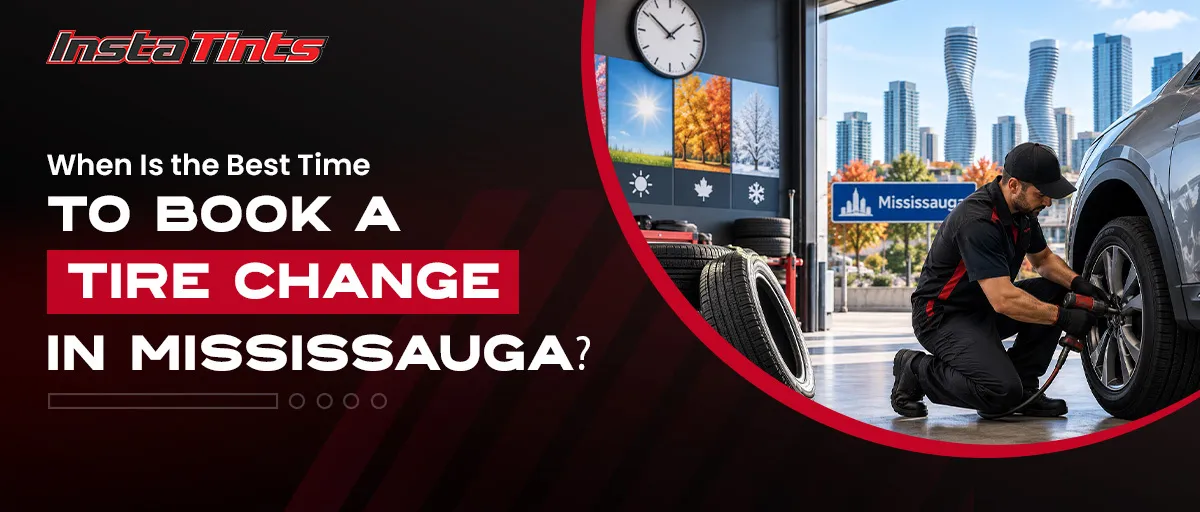
Ontario weather changes fast. Most people swap tires in late October and again in April. A simple rule helps. Put winter tires on when the temperature stays under 7°C. Take them off when it stays above that level.
Book early. After the first snowfall, every shop has a long line. A search for tire swap near me in the first week of October can save you hours of waiting. Ask for wheel balancing during the swap. Ask about storage too, if your garage is small.
Small Habits That Make Tires Last
Good tire care does not take much time. A few minutes each month is enough.
Check the air pressure when the tires are cold. Use the number on the sticker inside the driver door. Do not use the number printed on the tire. That one shows the maximum limit, not the right pressure.
Cold air drops pressure quickly. A tire that looked fine in October may be low by January. Many people also forget the spare, so check it now and then.
Rotate your tires every 8,000 to 10,000 km. This keeps wear even. Get the alignment checked once a year, and after any hard hit on a pothole. Tires are not exciting. But they decide how well your car stops and turns.






















Sign in to leave a comment.