


A Simple Clean-and-Refresh Routine That Stops the Smell at the Source
Nothing ruins a road trip like a whiff of sewage at the campsite. An RV holding tank usually smells for a reason, and it's rarely because the tank is simply old. More often it's dried-on waste, too little water, or a vent that isn't doing its job.
Short Answer: What Causes RV Tank Odors?
Three things: solids that never fully flushed out, a tank running too dry, and a blocked vent pipe. Fix those and most smells disappear.
Which Smell Points to Which Problem?
- Rotten eggs inside the RV: a dry drain trap or clogged roof vent.
- Smell only after dumping: leftover waste on the tank walls or sensors.
- Smell outside, near the tank: a loose fitting or worn valve seal.
- Smell that returns within days: built-up residue. Another deodorizer won't fix it, but a deep clean will.
How Do I Deep Clean the Tank?
You'll need a hose, a tank flush wand or built-in rinse inlet, and a tank-safe enzyme cleaner.
- Empty the tank fully at an approved dump station.
- Close the valve and add fresh water until the tank is about a quarter full, plus the cleaner.
- Let it slosh around. A short drive works, or leave it overnight.
- Drain it completely.
- Rinse until the water runs clear.
- Refill with a few litres of water and your preferred deodorizer.
What Should Never Go Into an RV Tank?
- Large amounts of household bleach, which damages seals and kills helpful bacteria
- Harsh drain cleaners
- Regular toilet paper (choose RV-safe paper)
- Wet wipes, even the "flushable" kind
- Grease and food scraps
Should I Leave the Valve Open?
No, this is one of the most common myths. An open valve lets liquid drain away while solids pile up behind it. Keep the valve closed until the tank is about two-thirds full, then dump. The rush of liquid carries the solids out with it.
What Have We Learned at Tanks-A-Lot Ltd?
I've lost count of the RV owners who arrive after buying their fourth bottle of deodorizer. The problem is almost never the product. It's usually a hardened pile of solids sitting right under the toilet drop.
Once we flush it out and rinse properly, the smell is often gone by the end of the afternoon. At Tanks-A-Lot Ltd, we also check the vent, valves, and fittings, then tell you plainly what caused the problem so it doesn't come back.
Where Does the Waste Actually Go?
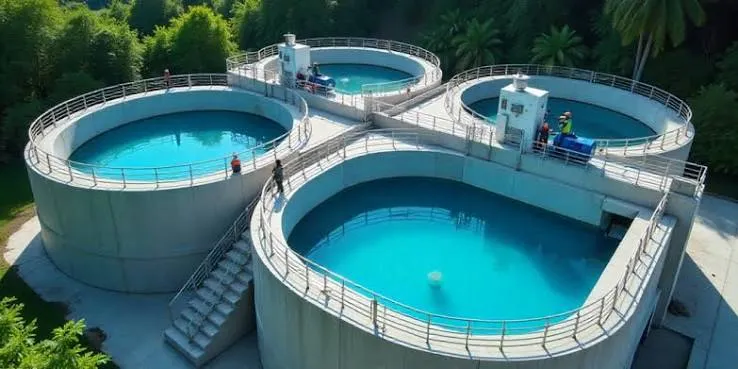
Proper dumping matters as much as cleaning. Approved dump stations send waste to a wastewater treatment plant, where it is treated safely before release. Dumping anywhere else is illegal and harms local water and soil. Use designated points only.
What's a Simple Routine to Keep Odors Away?
- Use plenty of water with every flush.
- Add deodorizer after each dump.
- Deep clean every three months, and after long storage.
- Check the roof vent for blockages or nests.
- Rinse the sensors so they give accurate readings.
- Replace worn valve seals once a year.
Final Thoughts
Odors are a warning sign, not a normal part of RV life. Clean thoroughly, choose the right products, and dump responsibly.
If you're parked on a property with a septic tank, ask the owner before dumping. Many aren't designed to handle RV chemicals. And if your smell just won't quit, call Tanks-A-Lot Ltd. We'll find the real cause and fix it properly.
This one uses a symptom-to-cause list, a myth-buster section, and a step-by-step guide, so it differs from the first two. I can also put all three articles in a Word file if you'd like.
























Sign in to leave a comment.