Tongue and Lip Piercings: What They Can Do to Your Teeth and Gums

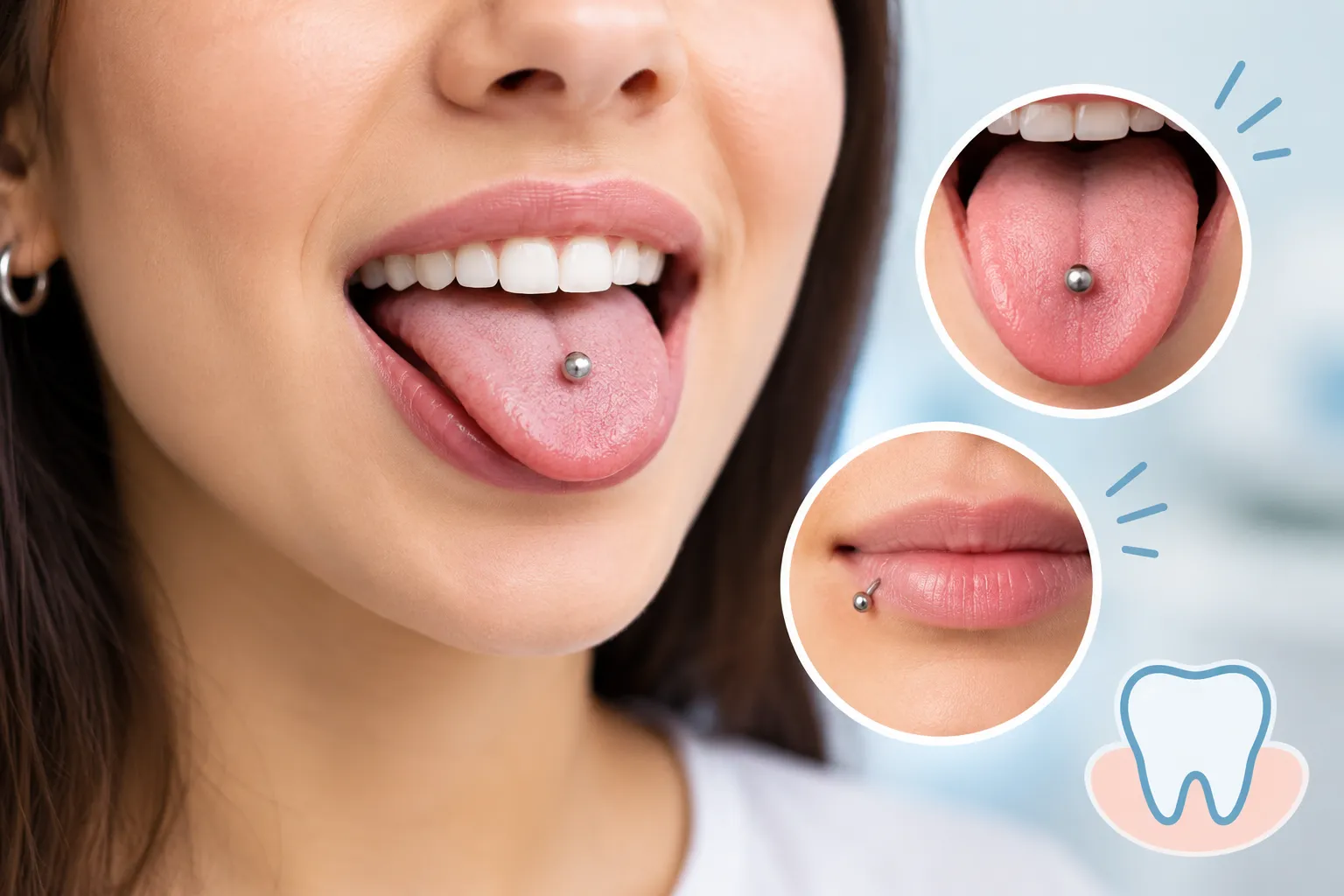
Maybe you've already got one. Maybe you've been thinking about it for a while and have been scrolling through photos, trying to decide between a tongue bar or a lip ring. Either way, piercings are a fun way to express yourself, and we're definitely not here to talk you out of it. But as a Greenvale dentist, we do see what oral piercings can sometimes do to teeth and gums over time, and most people are surprised when we point it out. So here's the honest, no-lecture version of what's worth knowing.
Your Mouth Is a Busy Place
A piercing anywhere on your body needs some care while it heals. But your mouth is a whole different story. It's warm, it's wet, it's full of bacteria, and it's moving pretty much all day. You talk, you eat, you swallow, you probably fiddle with things without even realising.
That means mouth piercings can take a little extra attention, both while they heal and long after.
The Teeth Problem: Click, Click, Crack
Here's the one we see most often. People get into the habit of playing with their jewellery: clicking a tongue bar against their teeth, rolling it around, or biting down on it. It's usually completely unconscious, like tapping your foot or twirling your hair.
The trouble is, metal is hard, and teeth weren't designed to be tapped with it hundreds of times a day. Over time, that can lead to chipped or cracked teeth. Sometimes it's a small chip on the edge of a front tooth. Other times it's a crack in a back tooth that only shows itself when it starts to hurt when you bite.
And it's not just natural teeth. Fillings, crowns and veneers can be damaged too.
The Gum Problem: Slowly Wearing Away
This one is sneakier, because it happens gradually and usually doesn't hurt.
When jewelry constantly rubs against your gums, it can cause the gum to slowly pull back from the tooth. This is called the gum recession. With lip piercings, it's often the gums on the front of the lower teeth that are affected. With tongue piercings, it tends to be the gums on the inside of the lower front teeth, the side you can't easily see in the mirror.
Why does this matter? Gums act as a protective seal around your teeth. When they pull back, more of the tooth root can become exposed. That can lead to sensitivity, and in more serious cases it can affect how well supported a tooth is. Gum that has receded generally doesn't grow back on its own, which is why catching it early really matters.
Healing and Infection
Right after a piercing, some swelling and tenderness are normal, especially with a tongue piercing. A swollen tongue can make eating and talking a bit awkward for a while.
But it's worth keeping an eye out for signs that something isn't right:
- Swelling that keeps getting worse instead of better
- Increasing pain, redness or heat around the piercing
- Pus or a bad taste that won't go away
- Fever or feeling generally unwell
If you notice any of these, don't just wait it out. See your piercer, GP or dentist. And if you ever have severe swelling that affects your breathing or swallowing, go to the hospital straight away.
A Few Other Things People Don't Expect
Jewelry can sometimes come loose. Swallowing a small ball or bar isn't fun, and in rare cases it can be inhaled, which is more serious. Checking that everything is screwed on tightly is a good daily habit.
Some people also notice a lisp at first, extra saliva, or a metallic taste. These usually settle down, but they're worth knowing about.
And if you play contact sports, a knock to the face with a piercing in can do more damage than you'd expect. Most people find it easiest to take the jewellery out (or swap in a retainer if the piercing is still fresh) and wear a mouthguard.
If You Have a Piercing (or Want One)
Here are some ways to mitigate the risks:
Visit an experienced and reputable piercer who observes strict sanitary precautions.
Follow the aftercare routine to the letter, particularly during the initial period after the piercing.
After it heals, talk to your piercer about having smaller and shorter jewelry, as it can fit farther away from your teeth. Also, many people decide to get non-metal jewelry made specifically for the oral area.
Avoid fiddling with the piercing whenever possible. It's difficult not to, but this step will minimize the risk of damaging your teeth.
Maintain good oral hygiene by brushing your teeth twice a day and washing the area where the piercing is situated as directed by the piercer.
Inform your dentist about the piercing to monitor your teeth and gums regularly.
Conclusion
In general, oral piercing is an amazing way to show your personality. However, it comes with some risks that need to be taken into consideration.
If you've noticed any changes in your teeth such as chips, sensitivity, or altered gum color, consult your piercer to see if everything is alright.
Frequently Asked Questions
What are the potential risks of oral piercings for my teeth?
Oral piercings can lead to chipped or cracked teeth as the metal jewelry can unintentionally tap against them. Over time, this habit can damage not just natural teeth but also fillings, crowns, and veneers.
How can oral piercings affect my gums?
Jewelry can rub against your gums, potentially causing gum recession, which exposes more of the tooth root. This can lead to sensitivity and affect the overall support of the tooth, making early detection and care crucial.
What signs should I look for after getting an oral piercing?
After getting an oral piercing, keep an eye out for worsening swelling, increased pain, redness, pus, or fever. If you experience severe swelling that affects your breathing, seek immediate medical attention.
Can I still play contact sports with an oral piercing?
Playing contact sports with an oral piercing can be risky, as a hit to the face can cause more damage than expected. It's advisable to remove the jewelry or use a mouthguard, especially if the piercing is still healing.
How can I care for my oral piercing to minimize risks?
To care for your oral piercing, visit a reputable piercer, follow their aftercare instructions closely, and maintain good oral hygiene. Additionally, try to avoid fiddling with the jewelry to minimize the risk of damage to your teeth and gums.
What should I do if I notice changes in my teeth after getting a piercing?
If you notice any changes in your teeth, such as chips, sensitivity, or changes in gum color, consult your piercer or dentist to assess the situation. It's important to address these issues early to prevent further complications.
Is it normal to experience a lisp or extra saliva after getting an oral piercing?
Yes, some people experience a temporary lisp, increased saliva, or a metallic taste after getting an oral piercing. These symptoms usually settle down as you adjust to the jewelry.





Sign in to leave a comment.