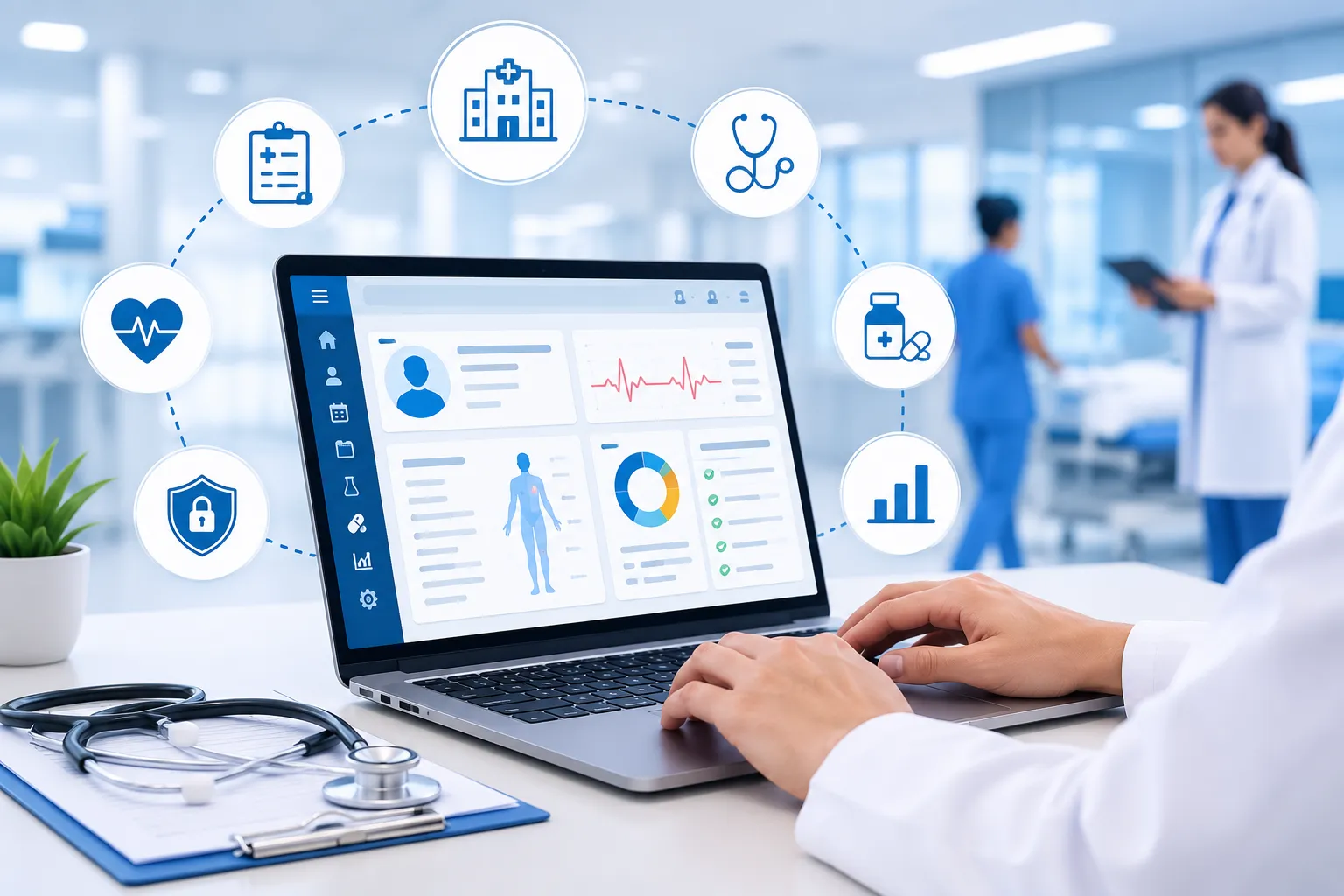

The healthcare industry is rapidly embracing digital transformation, and Electronic Medical Record (EMR) software has become an essential part of delivering quality patient care. Hospitals, clinics, diagnostic centers, and specialty practices rely on EMR systems to manage patient records, streamline workflows, improve communication, and enhance clinical decision-making.
With numerous EMR solutions available, selecting the right platform can significantly improve operational efficiency while providing a better experience for both healthcare professionals and patients. This guide explores ten leading healthcare EMR software solutions and explains how they contribute to better patient care.
Why EMR Software Matters in Healthcare
Traditional paper records often create delays, increase administrative work, and make it difficult to access patient information quickly. EMR software digitizes medical records, allowing healthcare providers to retrieve complete patient histories instantly.
The benefits of using EMR software include:
- Faster patient registration
- Accurate medical documentation
- Improved diagnosis and treatment planning
- Better coordination between healthcare providers
- Reduced paperwork
- Secure patient data management
- Efficient appointment scheduling
- Simplified billing processes
- Enhanced patient satisfaction
Digital healthcare systems also reduce medical errors by ensuring physicians have access to complete and updated patient information.
Top 10 Healthcare EMR Software
1. The Meditale
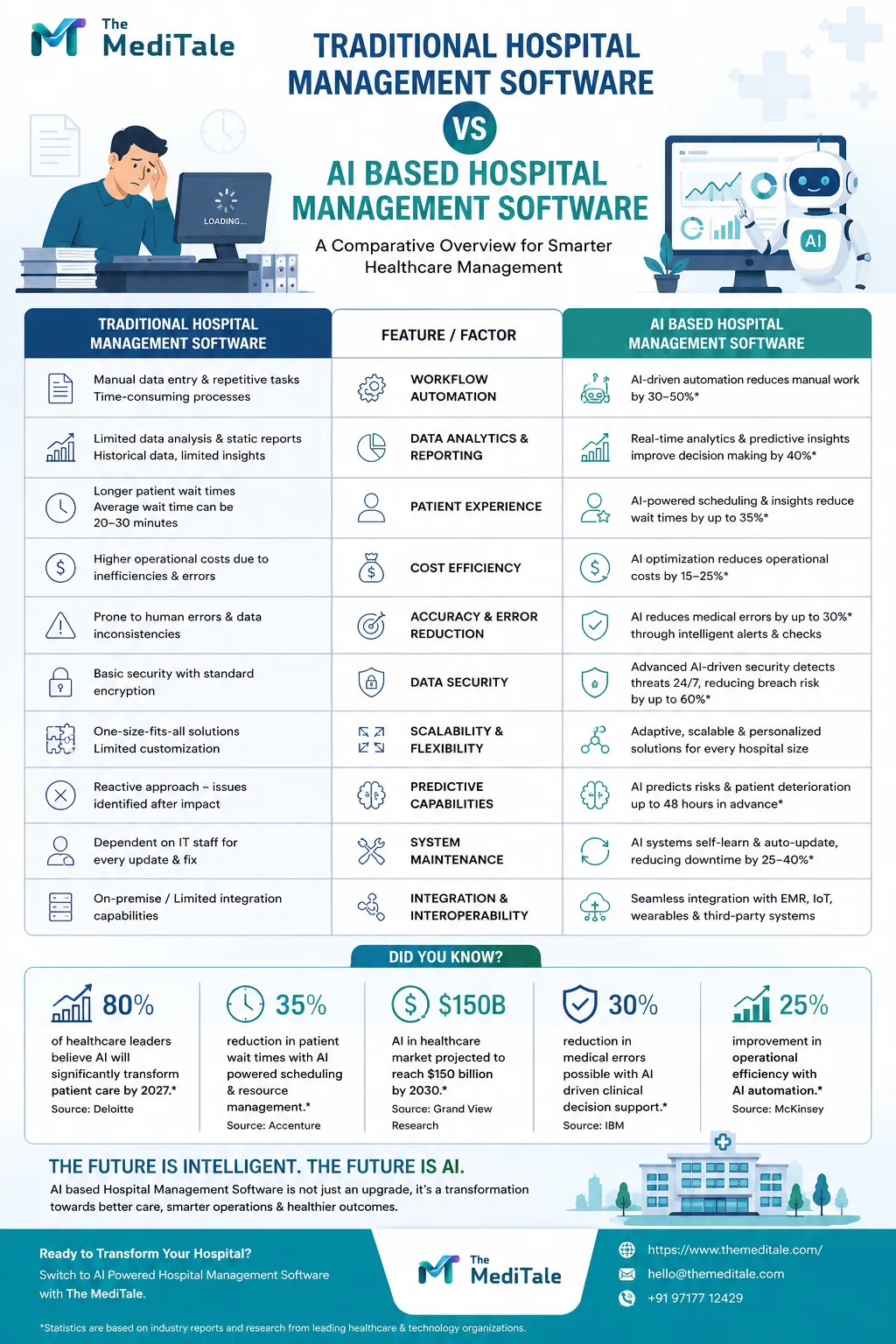
The Meditale is a comprehensive healthcare management platform designed for hospitals, clinics, and multi-specialty healthcare organizations. It offers patient record management, appointment scheduling, electronic prescriptions, billing, laboratory integration, reporting, and administrative tools within a single platform.

Its cloud-based infrastructure allows healthcare professionals to securely access patient information anytime while improving workflow efficiency across departments. Healthcare providers searching for the Best EMR Software can benefit from The Meditale's scalable, secure, and user-friendly solution.
2. Athenahealth
Athenahealth provides cloud-based EMR services that simplify clinical documentation, patient engagement, scheduling, and revenue cycle management. It supports healthcare providers with continuous updates and reliable customer support.
Its intelligent workflow automation helps reduce administrative burden while improving productivity.
3. eClinicalWorks
eClinicalWorks offers a complete healthcare management solution with features such as patient records, telemedicine, population health management, analytics, and practice management.
The software supports healthcare organizations of various sizes while offering extensive customization options.
4. Kareo
Kareo is widely used by independent healthcare providers and smaller clinics. It combines EMR functionality with billing, scheduling, telehealth, and patient communication tools.
Its intuitive interface allows practices to implement digital workflows with minimal training.
5. Practice Fusion
Practice Fusion provides cloud-based EMR software designed for small and medium-sized healthcare practices. It offers charting, appointment scheduling, electronic prescriptions, laboratory connectivity, and patient record management.
Its affordability makes it an attractive option for growing clinics.
6. NextGen Healthcare
NextGen Healthcare focuses on improving patient care through integrated clinical documentation, billing, scheduling, analytics, and patient engagement.
Its scalable platform supports expanding healthcare organizations while maintaining operational efficiency.
7. DrChrono
DrChrono is recognized for its mobile-friendly design that enables physicians to access patient records using smartphones and tablets.
It includes electronic prescriptions, customizable templates, appointment scheduling, billing, and telemedicine features.
8. AdvancedMD
AdvancedMD delivers a comprehensive healthcare platform featuring EMR, practice management, patient engagement, telemedicine, and revenue cycle management.
Its automation capabilities reduce manual work while improving clinic productivity.
9. CareCloud
CareCloud offers integrated healthcare software that combines EMR, practice management, scheduling, billing, financial reporting, and patient communication tools.
The cloud-based system provides flexibility and easy scalability for growing healthcare organizations.
10. RXNT
RXNT provides a complete suite of healthcare management solutions including EMR, electronic prescribing, medical billing, patient portals, and scheduling.
Its modular pricing allows organizations to select the features that best match their operational requirements.
Key Features Every EMR Should Offer
Choosing the right EMR requires evaluating features that improve both patient care and administrative efficiency.
Digital Patient Records
Healthcare providers should have instant access to comprehensive patient histories, diagnoses, medications, allergies, laboratory reports, imaging results, and treatment plans.
Appointment Scheduling
Integrated scheduling systems simplify appointment booking, follow-up management, doctor availability tracking, and automated reminders.
Electronic Prescriptions
Digital prescriptions reduce medication errors while improving communication with pharmacies.
Billing Integration
An integrated billing system streamlines invoicing, payment tracking, insurance claims, and financial reporting.
Laboratory Connectivity
Automatic laboratory integration enables healthcare providers to receive test reports quickly, improving diagnosis and treatment timelines.
Cloud Accessibility
Cloud-based software enables secure access from multiple locations while supporting remote healthcare services.
Security Features
Patient information must remain protected through encryption, secure authentication, user access controls, audit logs, and automatic backups.
How EMR Improves Patient Care
Modern EMR systems directly contribute to better healthcare outcomes.
Faster Diagnosis
Immediate access to complete patient histories helps physicians make informed clinical decisions without unnecessary delays.
Better Coordination
Doctors, nurses, specialists, laboratories, and pharmacists can collaborate more effectively through shared digital records.
Reduced Medical Errors
Accurate documentation minimizes mistakes caused by incomplete or handwritten records.
Improved Follow-Up Care
Automated reminders help patients attend scheduled appointments and continue treatment plans consistently.
Personalized Treatment
Complete patient information allows healthcare professionals to develop individualized care plans based on medical history and previous treatments.
Tips for Selecting the Right EMR
Before investing in software, healthcare organizations should consider:
- Ease of use
- Scalability
- Security features
- Customer support
- Integration capabilities
- Reporting tools
- Mobile accessibility
- Cloud infrastructure
- Total cost of ownership
Requesting live demonstrations and involving medical staff during software evaluation can help ensure the chosen solution meets operational needs.
Common Mistakes to Avoid
Many healthcare organizations make purchasing decisions without fully evaluating their requirements.
Avoid these common mistakes:
- Selecting software based only on price
- Ignoring future expansion needs
- Overlooking security features
- Choosing overly complicated systems
- Not reviewing customer support quality
- Skipping product demonstrations
- Ignoring integration with existing systems
Careful planning leads to smoother implementation and better long-term performance.
Future of EMR Technology
Healthcare technology continues to evolve with artificial intelligence, predictive analytics, telemedicine integration, voice recognition, and mobile healthcare solutions.
Modern EMR platforms are becoming increasingly intelligent, helping healthcare providers improve efficiency while delivering more personalized patient care. Investing in a future-ready system ensures healthcare organizations remain competitive and prepared for changing industry demands.
Conclusion
EMR software has become an essential component of modern healthcare. It improves patient care by providing quick access to medical records, simplifying administrative processes, enhancing collaboration, and supporting better clinical decisions.
Whether managing a small clinic or a large hospital, selecting the right EMR platform can significantly improve operational efficiency and patient satisfaction. The Meditale stands out as a comprehensive solution that combines advanced functionality, security, scalability, and ease of use, helping healthcare organizations build a stronger digital foundation for the future.
























Sign in to leave a comment.