

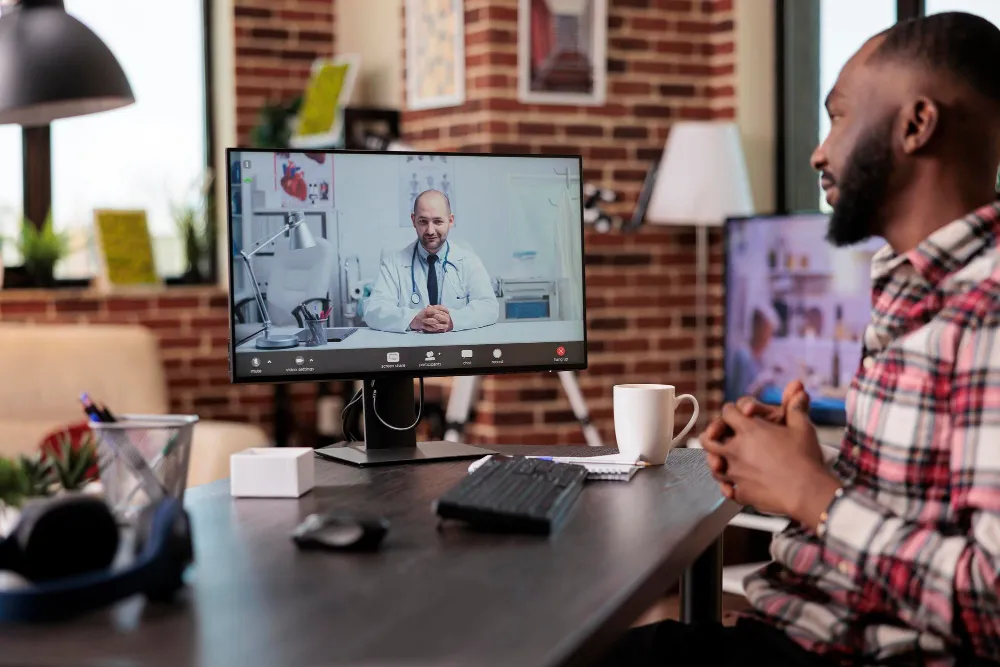
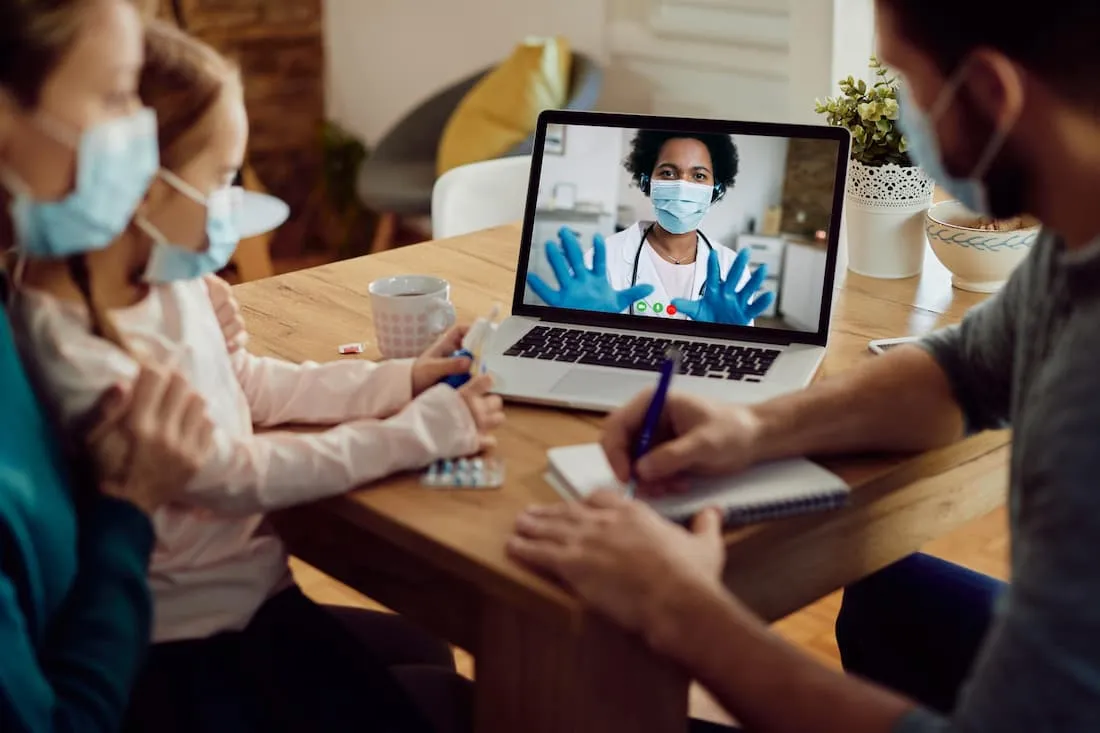
Medical professionals need ongoing education to stay informed about changing treatment methods, clinical research, patient care standards, and emerging healthcare technologies. Online learning opportunities make professional development more accessible without requiring extensive travel or major changes to daily schedules. Attending medical education conferences online NY allows healthcare practitioners to explore relevant subjects, learn from experienced educators, and discover practical approaches that support better clinical decision making. These educational events can help physicians, physical therapists, podiatrists, orthotic specialists, and other healthcare professionals strengthen their knowledge while maintaining their regular professional responsibilities.
Convenient Access to Professional Education
Flexible Learning for Busy Healthcare Professionals
Healthcare professionals often balance demanding work schedules, patient appointments, administrative responsibilities, and personal commitments. Online educational conferences provide an opportunity to participate in professional learning without spending additional time traveling to a physical venue. Participants can plan their schedules around available sessions and select programs that address their specific learning objectives. This flexibility makes continuing education more manageable for practitioners who want to expand their expertise while remaining actively involved in their everyday clinical responsibilities.
Reduced Travel and Accommodation Expenses
Attending an in person educational event may involve transportation costs, accommodation bookings, meals, and additional expenses associated with time away from work. Virtual conferences can reduce many of these financial and logistical challenges. Depending on the event format, participants may access educational sessions from their homes, clinics, or offices. Lower travel requirements can make professional development more accessible to independent practitioners, small healthcare practices, and professionals working in different parts of New York who want to continue learning without unnecessary expenses.
Learning From Experienced Healthcare Educators
Exposure to Practical Clinical Knowledge
Educational conferences give healthcare professionals opportunities to learn from experienced practitioners, researchers, and subject matter specialists. Presentations may cover clinical observations, treatment planning, diagnostic methods, rehabilitation strategies, and emerging developments in patient care. These discussions can help participants understand how professional knowledge is applied in real clinical situations. By exploring different perspectives, attendees can evaluate their existing practices, identify areas for improvement, and develop a stronger foundation for making informed decisions when addressing the changing needs of their patients.
Understanding Specialized Healthcare Topics
Specialized educational sessions allow professionals to explore subjects that may receive limited attention during routine workplace training. For example, practitioners interested in lower extremity care can learn more about orthotic design, gait evaluation, footwear considerations, and biomechanical assessment. Sessions such as A Segmental Approach to AFO Design Using Composite Materials can introduce participants to important considerations in orthotic technology. This type of focused education helps clinicians connect theoretical knowledge with practical applications relevant to their professional responsibilities.
Staying Updated With Healthcare Developments
Exploring Emerging Treatment Approaches
Healthcare knowledge continues to develop as researchers investigate new treatment approaches, assessment methods, and technologies. Online conferences help professionals explore these developments through structured presentations and educational discussions. Attendees can learn about current practices, review clinical concepts, and consider how new information relates to their specialties. Although conference presentations do not replace formal clinical guidance or independent research, they can provide useful starting points for further learning. This exposure encourages practitioners to evaluate new ideas carefully and make decisions based on reliable evidence.
Understanding Advances in Wound Care
Wound management requires attention to assessment techniques, treatment planning, infection prevention, and appropriate monitoring. Educational programs can help practitioners review these important areas and understand how evolving technologies may support patient care. The event provides a relevant topic for professionals interested in exploring developments in this field. By learning about different approaches and discussing clinical challenges, healthcare practitioners can strengthen their understanding of wound care principles and identify subjects that deserve additional study within their professional settings.
Improving Clinical Assessment and Decision Making
Developing a Better Understanding of Gait
Gait assessment helps healthcare professionals evaluate walking patterns, movement limitations, balance concerns, and biomechanical factors that may influence patient mobility. Educational sessions focused on gait analysis can introduce methods for observing movement, interpreting assessment findings, and identifying potential areas for intervention. These insights may be valuable for physical therapists, podiatrists, rehabilitation specialists, and orthotic practitioners. Continued learning helps professionals understand how individual patient needs, functional goals, and clinical findings should guide assessment and treatment planning rather than relying on a single approach for every case.
Exploring Technology in Biomechanical Assessment
Technology increasingly supports the collection and interpretation of information about movement, pressure distribution, and physical function. Online educational presentations can help clinicians understand the principles behind these tools and consider their appropriate applications. The Next Level Gait Analysis Utilizing AI: Biomechanics Unlocked event is relevant to professionals interested in the relationship between artificial intelligence and movement analysis. Learning about such developments can encourage informed discussions about assessment accuracy, practical limitations, and the importance of combining technological findings with professional judgment and individual patient evaluation.
Supporting Continuing Education and Career Development
Strengthening Professional Competencies
Continuing education helps healthcare professionals maintain relevant knowledge and strengthen the competencies required in their fields. Online conferences offer structured opportunities to revisit established principles, explore specialized subjects, and learn about changing professional expectations. Participants can use these experiences to identify knowledge gaps and determine which skills require further development. Regular educational participation may also support greater confidence when discussing treatment options, reviewing clinical information, and collaborating with colleagues. The value of each session ultimately depends on its educational quality and how effectively participants apply appropriate lessons to their work.
Building a Personalized Learning Plan
A clear learning plan helps professionals select conference sessions that align with their current responsibilities and long term career goals. For example, a physical therapist may prioritize rehabilitation and movement analysis, while an orthotic specialist may focus on device design and functional assessment. Reviewing session descriptions, speaker expertise, and learning objectives before registering can make participation more productive. After each event, participants can record important insights, identify unanswered questions, and choose additional educational resources. This organized approach transforms conference attendance into a continuing process of professional improvement.
Encouraging Networking and Professional Collaboration
Connecting With Other Healthcare Practitioners
Professional networking can introduce healthcare practitioners to colleagues who face similar clinical challenges and educational needs. Online conferences may provide discussion sessions, question and answer opportunities, chat features, and virtual meeting spaces that encourage interaction. These activities allow participants to exchange perspectives, ask questions, and learn how other professionals approach particular situations. Although virtual networking differs from meeting people in person, thoughtful participation can still help establish valuable professional connections. Respectful communication and meaningful discussions can create opportunities for knowledge sharing that continue beyond the scheduled educational event.
Sharing Knowledge Across Healthcare Specialties
Collaboration between healthcare specialties can improve understanding of complex patient needs. For example, podiatrists, physical therapists, pedorthists, and orthotic specialists may contribute different perspectives when evaluating foot function, mobility, footwear requirements, and rehabilitation goals. Educational events can help participants recognize how these areas relate to one another. Sessions addressing Podiatry and Pedorthics: A Match Made in Heaven offer a relevant opportunity to explore connections between professional disciplines. Such learning encourages communication, a broader understanding of patient needs, and more coordinated approaches to care.
Making Virtual Conference Participation More Effective
Preparing Before the Conference
Preparation can significantly improve the educational value of an online conference. Participants should review the schedule, identify relevant presentations, check their internet connection, and arrange a quiet environment with minimal distractions. Keeping a notebook or digital document available can help capture important concepts, questions, and practical recommendations. Professionals should also review the learning objectives associated with their selected sessions so they can focus on information relevant to their work. These simple preparations make it easier to follow presentations, participate in discussions, and retain useful information throughout the event.
Applying Knowledge After Each Session
The benefits of conference attendance become more meaningful when participants reflect on what they have learned and identify appropriate applications. After a presentation, healthcare professionals can summarize important findings, discuss relevant information with colleagues, and consult reliable clinical resources before changing established practices. Some lessons may suggest improvements to patient communication, assessment procedures, or professional workflows. Other insights may highlight subjects that require additional training. A practical follow up plan helps participants distinguish between useful educational ideas and recommendations that require further evidence, professional judgment, or formal guidance before implementation.
Choosing the Right Online Educational Conference
Evaluating Content Quality and Relevance
Not every conference provides the same educational value, so professionals should evaluate programs carefully before enrolling. Important considerations include the relevance of the subject matter, the qualifications of presenters, the clarity of learning objectives, and the opportunities available for attendee participation. Programs that offer focused presentations and meaningful discussion may be particularly useful for practitioners seeking specialized knowledge. Participants should also check whether the event provides continuing education credits, certificates, or assessments when these are important to their professional requirements. Careful selection helps ensure that educational time supports clear learning goals.
Considering Accessibility and Event Features
A well organized virtual conference should provide accessible session information, clear joining instructions, reliable technical support, and an interface that participants can navigate comfortably. Features such as presentation materials, interactive questions, and recorded sessions may improve the learning experience when they are offered. Professionals should confirm whether recordings are available and understand any access restrictions before registering. They should also consider whether the schedule accommodates their time zone and clinical responsibilities. Evaluating these practical details beforehand can reduce interruptions and help participants concentrate on the educational content instead of technical difficulties.
Conclusion
Professional growth depends on continuous learning, meaningful collaboration, and a willingness to explore new developments in healthcare. By offering flexible access to specialized presentations, expert knowledge, and professional discussions, lerEXPO helps make online educational opportunities relevant to practitioners seeking to expand their expertise. Attending medical education conferences online NY can support continuing education, encourage interdisciplinary learning, and introduce healthcare professionals to evolving clinical concepts. With careful event selection, active participation, and thoughtful application of relevant knowledge, practitioners can make virtual conferences a valuable part of their long term professional development.




















Sign in to leave a comment.