

With rising electricity costs and growing interest in renewable energy, more homeowners are considering solar power as a practical way to manage household energy consumption. Residential solar panels convert sunlight into electricity that can be used to power appliances, lighting, heating, cooling and other household systems.
Installing a solar energy system is a long-term investment, but it can provide several financial, environmental and practical benefits. From reducing electricity bills to increasing energy independence, here are the top benefits of installing solar panels on your home.
1. Reduce Your Electricity Bills
One of the biggest reasons homeowners install solar panels is to reduce their electricity costs. Solar panels generate electricity from sunlight during the day, allowing your home to use renewable energy instead of relying entirely on electricity from the grid.
The amount you can save depends on factors such as:
- Your household electricity consumption
- Solar system size
- Roof orientation and available sunlight
- Local electricity rates
- Energy usage patterns
- Whether you have a solar battery
Homes that use more of their solar-generated electricity can potentially reduce their reliance on grid electricity and lower their ongoing energy expenses.
2. Generate Clean, Renewable Energy
Solar energy is a renewable source of power because it relies on sunlight rather than finite fossil fuels. Residential solar panels generate electricity without directly producing the emissions associated with conventional electricity generation.
By generating renewable energy at home, homeowners can reduce their dependence on electricity generated from traditional energy sources.
Solar power can therefore form an important part of a household's transition towards cleaner energy.
3. Increase Energy Independence
Traditional homes generally depend heavily on the electricity grid. Changes in electricity prices, supply conditions and energy demand can affect household energy costs.
Solar panels allow homeowners to generate part of their electricity on-site. This can provide greater control over where household energy comes from.
Adding a solar battery can increase this independence further. Instead of using all the solar electricity immediately, excess energy can be stored and used later, such as in the evening when solar panels are no longer generating electricity.
4. Make Better Use of Your Roof
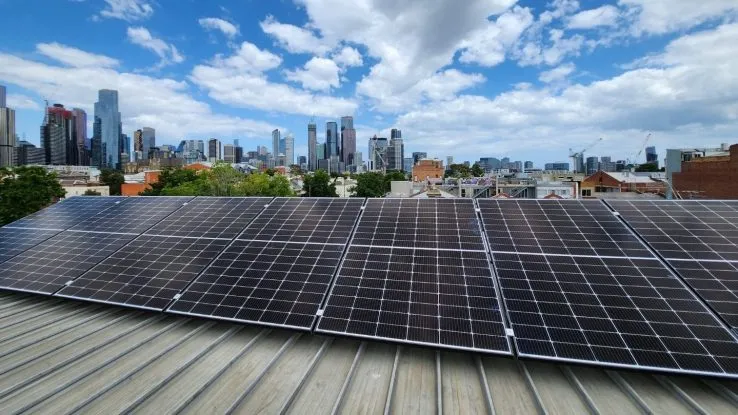
For many homes, the roof is an underused space that receives significant sunlight throughout the day. Solar panels can turn this available space into a small-scale power generation system.
A suitably positioned roof can provide an effective location for solar panels without requiring additional land. Before installation, a professional installer can assess roof condition, orientation, shading and available space to determine an appropriate system design.
5. Potentially Increase Property Appeal
Energy efficiency and renewable energy features can be attractive to prospective homebuyers. A property equipped with a functioning solar power system may offer an additional feature for buyers who are interested in controlling energy costs and using renewable energy.
However, the impact of solar panels on property value varies depending on factors such as the system's size, age, ownership structure, location and local property market.
Keeping documentation about the solar installation, equipment and maintenance can help demonstrate the system's specifications and history when selling the property.
6. Take Advantage of Available Solar Incentives
Depending on where you live, government programs and energy schemes may help reduce the upfront cost of installing solar panels.
In Australia, for example, eligible residential solar installations may qualify for financial incentives under applicable renewable energy programs. The value and eligibility requirements can change over time, so homeowners should check the current requirements before making an investment.
A reputable solar installer can also explain applicable incentives and how they may affect the overall system cost.
7. Low Ongoing Maintenance Requirements
Solar panels generally have relatively few moving parts, which means they do not require the same type of mechanical maintenance as many other energy systems.
Routine maintenance may include:
- Keeping panels reasonably clean
- Checking for visible damage
- Monitoring system performance
- Inspecting electrical components when required
- Addressing faults identified by the inverter or monitoring system
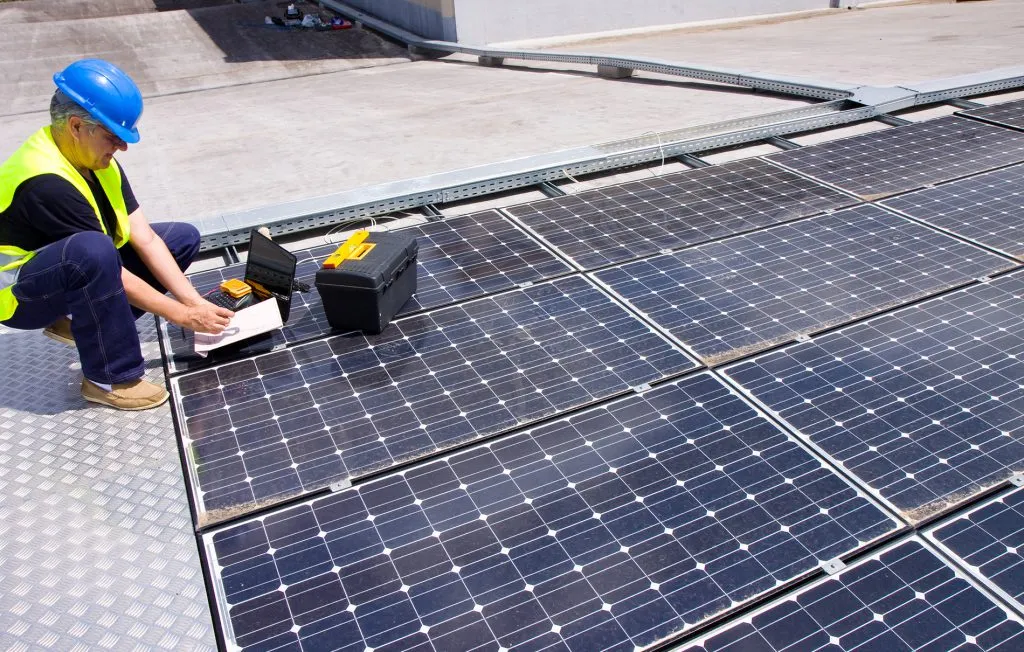
Professional inspections may be appropriate if system performance changes or an electrical issue occurs.
8. Improve Long-Term Energy Planning
Electricity consumption is an ongoing household expense. Installing solar panels can change the way a home produces and uses energy.
Homeowners can monitor solar generation and household consumption through monitoring systems and adjust their electricity usage accordingly. For example, appliances such as washing machines, dishwashers and pool pumps can potentially be operated during periods when solar generation is higher.
Combining solar panels with energy-efficient appliances and smart energy management can help households make better use of the electricity they generate.
9. Combine Solar With Battery Storage
Solar panels and battery storage can work together to improve the use of home-generated electricity.
During sunny periods, solar panels may produce more electricity than the home needs. Depending on the system configuration and applicable arrangements, excess electricity can be exported to the grid or stored in a battery.
Stored energy can then be used when solar generation is low or household electricity demand increases.
A battery is not automatically necessary for every home. Its value depends on factors such as electricity consumption, solar generation, energy tariffs and battery costs.
10. Reduce Your Household's Carbon Footprint
Generating electricity from sunlight can help reduce the amount of electricity a household needs to obtain from conventional generation sources.
Over the lifetime of a solar system, this can contribute to lower household greenhouse gas emissions compared with relying entirely on grid electricity, although the precise environmental benefit depends on the electricity mix in the local grid and the system's performance.
For environmentally conscious homeowners, solar panels provide a practical way to incorporate renewable energy into everyday household energy use.
What Should You Consider Before Installing Solar Panels?
Although solar power has many potential advantages, homeowners should assess their property and energy requirements before choosing a system.
Important considerations include:
Roof suitability: The roof should have sufficient space and be structurally suitable for the installation.
Sun exposure: Trees, neighbouring buildings and other structures can create shading that affects solar generation.
System size: The right system depends on household electricity consumption, available roof space and budget.
Electricity usage: Understanding when your household uses the most electricity can help determine whether battery storage may be useful.
Installer experience: Choose a qualified and reputable solar professional who can design and install the system according to applicable requirements.
Total costs: Consider equipment, installation, ongoing maintenance and any applicable incentives when calculating the overall investment.
Frequently Asked Questions
Are residential solar panels worth installing?
Solar panels can help eligible homeowners generate their own electricity and potentially reduce grid electricity consumption. Whether they are financially worthwhile depends on factors such as installation cost, energy usage, solar generation and local electricity prices.
How long do residential solar panels last?
Quality solar panels are designed for long-term operation and can continue generating electricity for decades, although their output can gradually decline over time. Individual manufacturers provide specific performance and product warranties.
Do solar panels work on cloudy days?
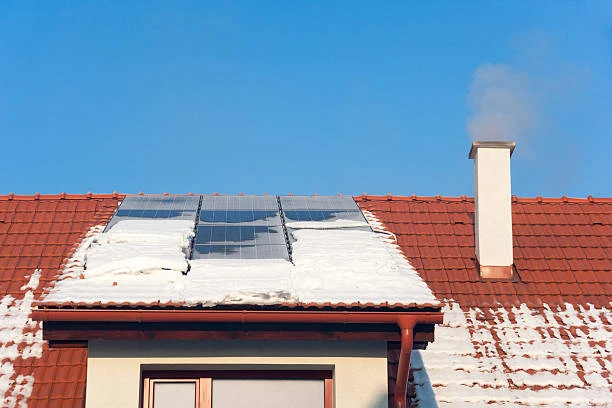
Yes. Solar panels can generate electricity under cloudy conditions, although electricity production is generally lower than during periods of strong direct sunlight.
Do I need a solar battery?
Not necessarily. A battery can store excess solar electricity for later use, but whether it makes financial and practical sense depends on your household's energy consumption and electricity arrangements.
Is Solar Power Right for Your Home?
Installing residential solar panels can provide several benefits, including lower reliance on grid electricity, renewable energy generation, greater energy independence and better long-term control over household energy use. Solar can be particularly effective when the system is correctly sized and designed around the property's roof, sunlight exposure and electricity consumption.
Before investing, compare system options, understand the expected energy generation and consider your household's current and future electricity needs. A professional solar assessment can help determine whether solar panels, battery storage or a combination of both is suitable for your home.























Sign in to leave a comment.