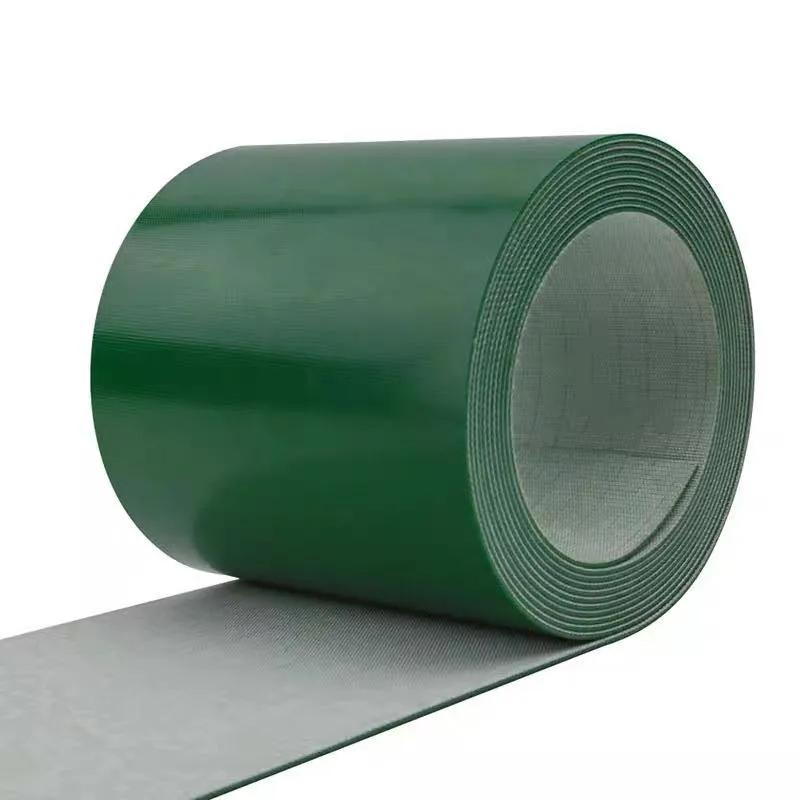
In today’s fast-paced industrial world, the efficiency, reliability, and safety of material handling systems have a direct impact on productivity and bottom-line results. When it comes to conveyor systems—the backbone of countless manufacturing, mining, recycling, and processing plants—choosing the right conveyor belt is critical. While traditional materials such as rubber, PVC, and steel-mesh have been standard choices for years, more and more organizations are discovering the superior performance offered by the Kevlar Conveyor Belt.
At Shanghai Puteken Transmission System Co., Ltd., we have witnessed the remarkable transformation that a Kevlar Conveyor Belt can bring to a production facility. From enhancing uptime and increasing throughput to significantly reducing maintenance costs, the advantages of this advanced belt technology are substantial. However, with so many conveyor belt materials and options available, many plant managers and engineers are left wondering whether the investment in Kevlar is justified and how it stacks up against alternatives.
This article provides an in-depth exploration of why more manufacturers and operators are choosing to upgrade to a Kevlar Conveyor Belt. We'll detail the unique benefits of Kevlar, review its main applications, and help you understand when making the switch is right for your plant. By the end, you'll be equipped with the knowledge necessary to make informed decisions that could transform your material handling operations.
Why Conveyor Belt Material Matters?
A conveyor belt does much more than simply move items from one place to another—it affects every aspect of your operational workflow. The belt’s durability, resistance to wear and tear, ability to handle extreme temperatures or harsh chemicals, as well as its contribution to operational safety, can become the difference between costly downtime and seamless operations.
Traditional belts, while reliable in many standard applications, have their limits. They can stretch, tear, degrade under certain conditions, or even pose safety hazards in challenging environments. This is where the Kevlar Conveyor Belt comes in, setting new standards for strength, reliability, and versatility.
What Makes Kevlar Unique?
Kevlar is a registered trademark of DuPont and refers to a family of synthetic aramid fibers renowned for their high tensile strength-to-weight ratio. These fibers are so tough they’re used in bulletproof vests, aerospace components, and high-performance sporting goods.
When woven into a conveyor belt, Kevlar fibers provide unmatched strength, cut resistance, flame retardancy, and minimal stretch. This allows the Kevlar Conveyor Belt to outperform and outlast many conventional belts, making it a powerful solution for high-stress, high-risk material handling challenges.
Top Benefits of Upgrading to a Kevlar Conveyor Belt
1. Exceptional Strength and Tear Resistance
Kevlar Conveyor Belts are designed to handle the heaviest loads, sharpest objects, and most abrasive materials. Their tensile strength surpasses that of steel, yet they're much lighter. This means you can move more material—whether it's mined ore, glass, or metal scrap—without worrying about belt breakage or costly downtime due to tears.
2. Increased Belt Longevity
Thanks to their superior resistance to wear, stretching, and impact, Kevlar Conveyor Belts last significantly longer than standard rubber or PVC belts. Many plants that have upgraded to Kevlar report doubling or even tripling their belt lifespan, resulting in a major reduction in replacement and repair costs.
3. Superior Cut and Impact Resistance
For industries such as mining, recycling, glass production, metalworking, and construction, where conveyor belts regularly encounter sharp or heavy materials, cuts and punctures are a leading cause of failure. Kevlar’s molecular structure allows conveyor belts to absorb and resist the most punishing impacts, maintaining their integrity and avoiding unscheduled shutdowns.
4. Excellent Flame and Heat Resistance
Kevlar is inherently flame resistant and capable of withstanding temperatures up to 450°C (842°F) without melting or degrading. This makes a Kevlar Conveyor Belt ideal for foundries, cement plants, casting operations, or any environment where exposure to sparks, open flames, or hot materials is a concern. The belt won’t propagate flames and offers valuable extra safety for your operation.
5. Minimal Belt Stretch and Sag
Traditional belts often require frequent retensioning as they naturally stretch with prolonged loads or harsh environments. The low-stretch property of Kevlar Conveyor Belts ensures they maintain proper tracking and optimal tension longer, resulting in more efficient power transmission and less downtime for adjustment.
6. Reduced Maintenance and Downtime
Because of their durability against mechanical, thermal, and chemical assaults, Kevlar Conveyor Belts dramatically cut down on unscheduled maintenance. This translates directly into improved plant uptime, greater productivity, and lower total operational costs—critical factors in any competitive manufacturing or processing business.
7. Lighter Weight for Energy Savings
Kevlar’s high strength-to-weight ratio enables thinner or lighter belts that are just as strong, or stronger, than heavier steel-core belts. This reduces the overall weight of the system, lessens strain on motors and pulleys, and in turn cuts down on energy consumption.
8. Chemical and Corrosion Resistance
Kevlar is highly resistant to a variety of acids, alkalis, and solvents, making it well-suited for chemical, fertilizer, and food industries. A Kevlar Conveyor Belt is less likely to degrade when exposed to harsh cleaning agents or incidental chemical contact.
9. Improved Worker Safety
Belt failure can endanger workers, especially in operations involving hazardous materials or steep conveyor inclines. The reliability and structural integrity of Kevlar reduce these risks, ensuring a safer workplace.
Applications: Where Kevlar Conveyor Belts Excel
While Kevlar Conveyor Belts can deliver benefits in almost any industrial setting, they truly shine in challenging environments, such as:
- Mining and quarrying (aggregate handling, stone, coal, ore)
- Metal and glass manufacturing (sharp, heavy, hot objects)
- Recycling and waste processing (scrap metal, broken glass, building debris)
- Foundry and smelting plants
- High-temperature or fire-risk zones (cement, brick, steel plants)
- Chemical processing lines
- Food and beverage manufacturing (requiring strict hygiene and non-contaminating materials)
Step-by-Step Guide: Is an Upgrade Right for Your Plant?
- Assess Material Handling Challenges
Consider what currently causes the most downtime or maintenance on your conveyors—sharp objects, abrasive materials, heat exposure, belt stretch, or impact loads. - Evaluate Current Belt Performance
Review records on belt replacements, repairs, and costs. Are you facing frequent belt failures, stretch issues, or breakdowns? - Consult with Shanghai Puteken’s Engineers
Our experts can analyze your operation and help you design a Kevlar Conveyor Belt system tailored for your specific needs, ensuring an optimized solution. - Calculate ROI
When factoring in reduced maintenance, less downtime, increased safety, and longer belt life, most companies find the investment in Kevlar pays for itself rapidly. Pilot Test
Consider upgrading a critical line first and monitoring performance metrics. Most plants that trial Kevlar belts see immediate benefits and decide to upgrade other lines soon after.
Frequently Asked Questions (FAQ)
Q1: How much longer can I expect a Kevlar Conveyor Belt to last compared to a rubber or PVC belt?
A: In most applications, Kevlar Conveyor Belts last 2-3 times longer—sometimes even more—before needing replacement, depending on operating conditions and maintenance.
Q2: Are Kevlar Conveyor Belts suitable for food-grade or sanitary applications?
A: Yes, Kevlar can be manufactured to meet food-grade standards and is resistant to cleaning chemicals and high-temperature washing.
Q3: Can I retrofit my existing conveyor system with a Kevlar Conveyor Belt?
A: In many cases, yes. Shanghai Puteken Transmission System Co., Ltd. offers engineering support to evaluate compatibility and suggest necessary modifications if any.
Q4: Is there added maintenance required for Kevlar belts?
A: Actually, less. Due to Kevlar’s minimal stretch and high durability, belts stay properly tensioned and require less frequent replacement or repair.
Q5: Are there any downsides to Kevlar Conveyor Belts?
A: While Kevlar belts may cost more upfront than traditional belts, their longer lifespan and reduced maintenance needs usually more than offset the initial investment.
Q6: What industries benefit most from Kevlar Conveyor Belts?
A: Mining, metal, glass, recycling, foundry, chemical, food, and any industry where high-strength, cut-resistant, or fire-resistant belts are needed.
Q7: Who do I contact for technical support or custom belt ordering?
A: Reach out to Shanghai Puteken Transmission System Co., Ltd. for technical guidance, custom belt design, and prompt customer service.
Conclusion
In today’s competitive industrial landscape, even small improvements in reliability and uptime can make a huge difference to your plant’s performance and profitability. An upgrade to a Kevlar Conveyor Belt delivers unmatched durability, resistance to extreme conditions, reduced maintenance, and superior safety—making it an investment that pays dividends for years to come.
Shanghai Puteken Transmission System Co., Ltd. stands ready to help you harness these benefits for your own production lines. With industry-leading products and dedicated engineering support, our team can guide you every step of the way—from assessing your current systems to designing and implementing the ideal Kevlar solution.
Ready to upgrade your plant’s efficiency and reliability? Contact us today to get started with the power of Kevlar.


















Sign in to leave a comment.