

Choosing an emission-control RECD manufacturer in India is an important decision for organizations that depend on diesel generators for backup or continuous power. The right supplier should offer more than just a device—they should understand your generator's technical requirements, provide appropriate documentation, support installation, and help with long-term maintenance.
What Is a RECD?
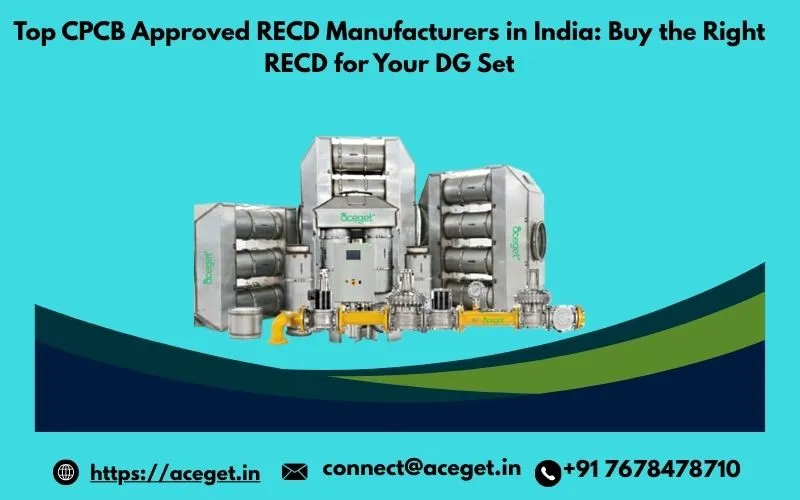
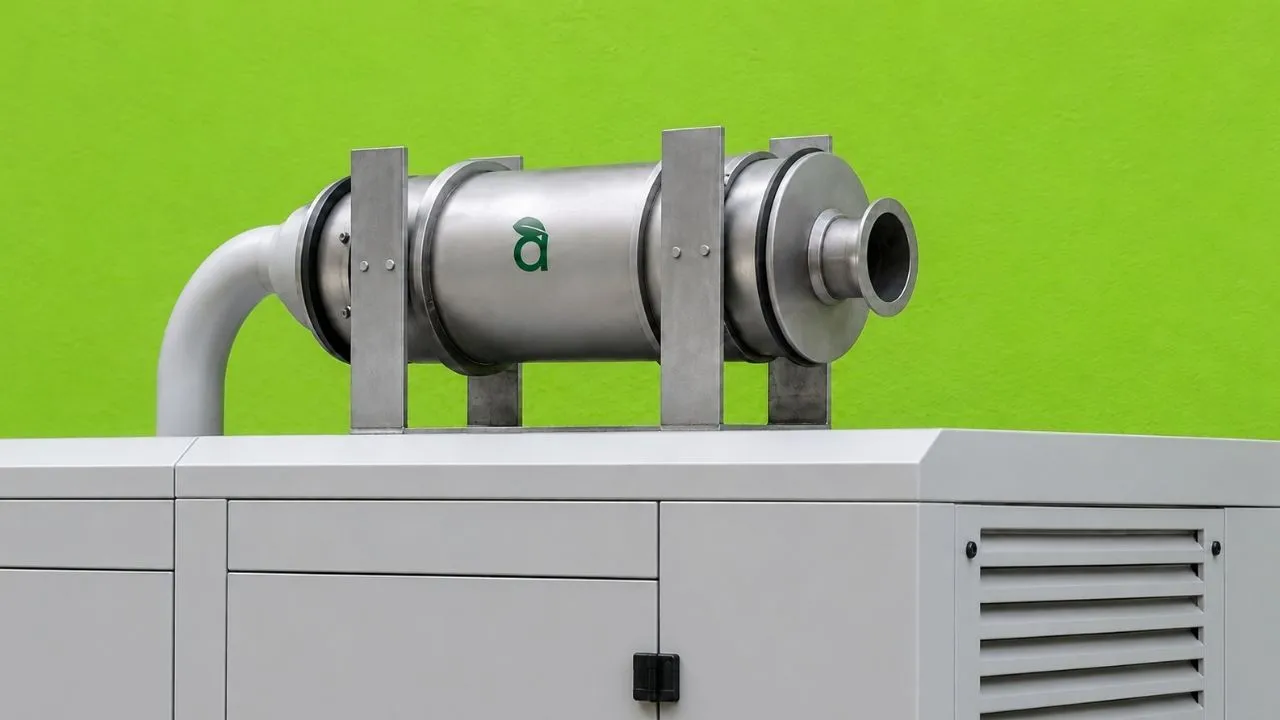
RECD stands for Retrofit Emission Control Device. It is an emission-control system designed to be installed on suitable existing diesel generator sets.
Depending on the technology, an RECD may help control specific pollutants from diesel exhaust, including:
- Particulate Matter (PM)
- Carbon Monoxide (CO)
- Hydrocarbons (HC)
- Visible smoke
The actual performance of an emission-control system depends on the technology used and several operating conditions.
These can include:
- Engine model
- DG set capacity
- Exhaust flow
- Exhaust temperature
- Operating load
- Fuel quality
- Engine condition
- Maintenance practices
This is why selecting an experienced manufacturer with technical knowledge is important.
Why the Manufacturer Matters
An emission-control device is not simply a standard accessory that can be selected without considering the generator. Every DG set has its own operating characteristics. A suitable manufacturer should understand these differences and evaluate the generator before recommending a solution.
A reliable supplier should be able to help with:
- DG set assessment
- Technical evaluation
- Product selection
- Exhaust system evaluation
- Installation planning
- Testing and commissioning
- Maintenance support
The quality of the manufacturer can directly influence the suitability, installation, performance, and long-term serviceability of the system.
What Does "CPCB Approved" Mean?
Many businesses search for CPCB-approved emission-control products when evaluating solutions for diesel generators.
However, DG set owners should carefully verify any claims related to CPCB approval, certification, or compliance.
Before purchasing, ask the supplier for relevant supporting documents, such as:
- Product specifications
- Technical datasheets
- Test reports
- Certification documents
- Compliance-related documentation
- Installation guidelines
- Maintenance manuals
It is important to confirm that the documentation applies to the specific product model and intended DG set application. The term "CPCB-approved" should not be treated as a substitute for checking the actual regulatory requirements applicable to your generator.
Key Technical Factors to Consider Before Buying
Before selecting a manufacturer, gather accurate information about your DG set.
DG Set Capacity
The kVA rating helps determine the appropriate size and configuration of the emission-control system.
Engine Model
The engine manufacturer and model can influence exhaust characteristics and system compatibility.
Exhaust Flow
The selected system must be capable of handling the exhaust volume produced during operation.
Exhaust Temperature
Certain emission-control technologies depend on suitable temperature conditions for effective operation.
Operating Load
A DG set that normally runs at low load may have different requirements from one that operates frequently at higher loads.
Back Pressure
The emission-control system should be selected and installed so that exhaust back pressure remains within the acceptable limits for the engine.
Available Installation Space
The site should have enough room for installation, inspection, and future maintenance.
Different RECD Technologies
Not every emission-control system uses the same technology.
Diesel Oxidation Catalyst
A Diesel Oxidation Catalyst, or DOC, uses catalytic reactions to help control certain gaseous pollutants.
Depending on operating conditions, it may help reduce:
- Carbon monoxide
- Hydrocarbons
Diesel Particulate Filter
A Diesel Particulate Filter, or DPF, is designed to capture particulate matter from diesel exhaust.
The accumulated particulate matter must be managed according to the system's maintenance and regeneration requirements.
Combined Systems
Some applications may require multiple emission-control technologies to address different pollutants.
The appropriate option depends on the generator's specifications and the intended emission-control objectives.
Installation Support: An Important Selection Criterion
When evaluating manufacturers, ask whether they provide professional installation support. The installation process generally begins with an assessment of the existing DG set and exhaust arrangement.
The technical team may evaluate:
- Generator specifications
- Exhaust configuration
- Available space
- Exhaust flow
- Temperature
- Back pressure
- Mounting requirements
After the equipment is installed, the system should be inspected and commissioned.
Working with a manufacturer that understands the complete installation process can help reduce potential compatibility and operational problems.
Maintenance and After-Sales Support
A good manufacturer should not disappear after the installation is complete. Emission-control systems require appropriate maintenance throughout their operating life.
Depending on the technology, maintenance may include:
- Visual inspections
- Exhaust leak checks
- Back-pressure monitoring
- Filter inspections
- Cleaning
- Regeneration
- Sensor checks
The DG set itself must also be maintained properly. Regular engine servicing, fuel-system inspection, air-filter replacement, lubrication checks, and cooling-system maintenance can help support reliable operation.
When comparing manufacturers, ask about:
- Service availability
- Spare parts
- Maintenance support
- Warranty
- Response time
- Technical assistance
Long-term support can make a significant difference in the overall ownership experience.
Questions to Ask an RECD Manufacturer Before Buying
Before finalizing your supplier, consider asking:
1. Is the system suitable for my specific DG set?
Provide the engine model, capacity, and operating conditions.
2. What technical documents are available?
Ask for datasheets, test reports, certifications, and installation information.
3. What pollutants is the system designed to target?
Different technologies address different pollutants.
4. What are the maintenance requirements?
Understand cleaning, regeneration, inspection, and servicing needs.
5. What is the expected exhaust back pressure?
The system should be compatible with the engine's permissible limits.
6. Do you provide installation and commissioning?
Professional integration can be important for reliable performance.
7. What after-sales support is available?
Ask about warranty, spare parts, and technical assistance.
8. What regulatory requirements apply to my DG set?
The manufacturer should help you understand the technical aspects, while the final regulatory assessment should be based on the latest applicable official requirements.
How to Choose the Best Supplier for Your Application
The right manufacturer is not necessarily the company with the biggest marketing presence or the lowest quotation.
Instead, evaluate the supplier based on:
Technical Expertise + Product Documentation + Installation Capability + Testing Support + Maintenance + After-Sales Service
This approach can help organizations identify suppliers that are better equipped to support the complete lifecycle of an emission-control project. Before making a final decision, compare at least a few suitable suppliers and review their technical proposals carefully.
Conclusion
Selecting an RECD for DG set manufacturer in India requires more than comparing product prices or searching for a supplier that uses the phrase "CPCB-approved" in its marketing. A well-selected emission-control system, combined with professional installation and regular maintenance, can help organizations manage targeted diesel exhaust pollutants and support cleaner generator operations. Ultimately, the best manufacturer is one that provides a technically suitable solution, transparent documentation, reliable installation support, and long-term service—not simply the lowest quotation.























Sign in to leave a comment.