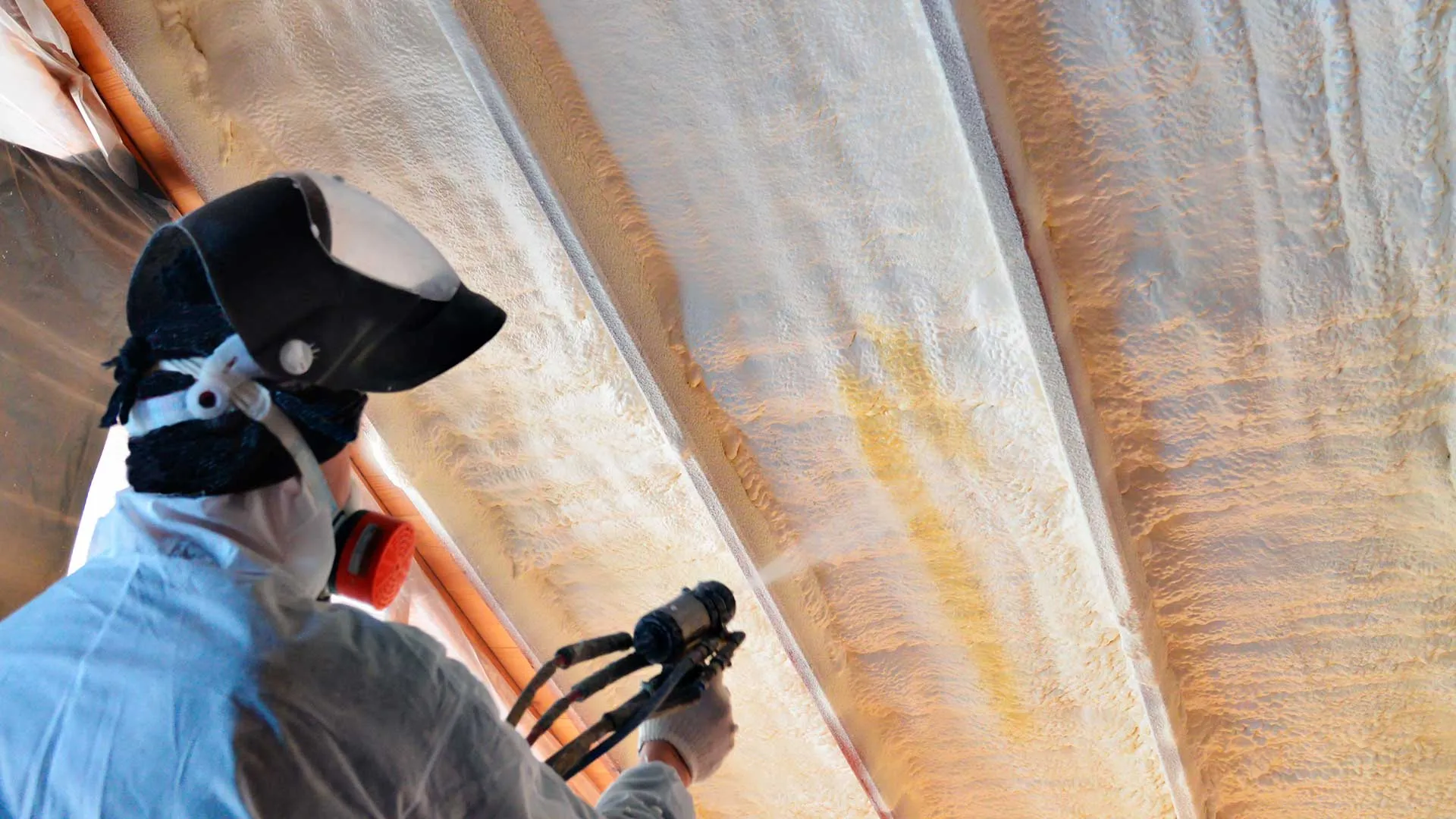

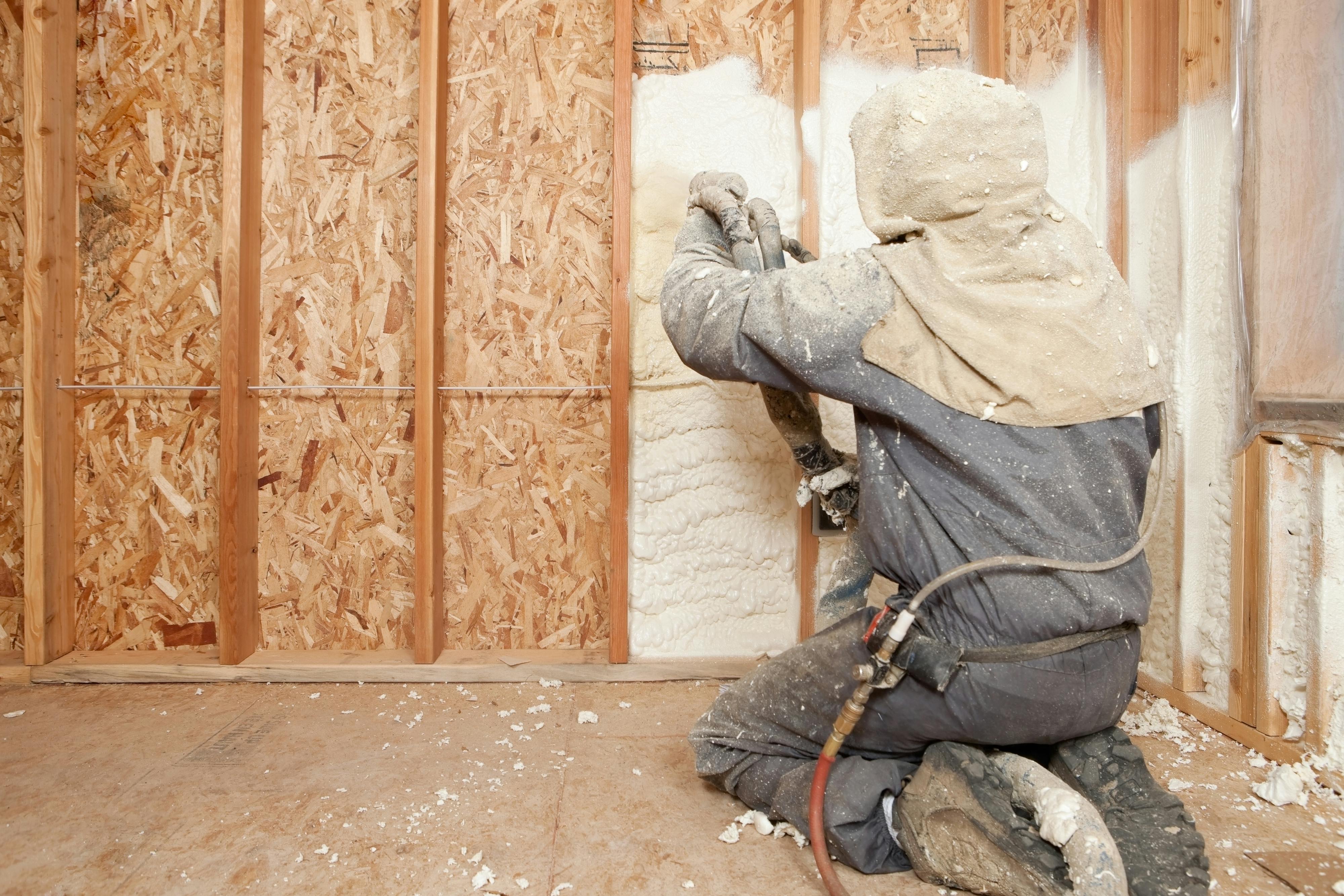
The most effective home insulation types for achieving high energy efficiency and consistent comfort include spray foam, fiberglass, cellulose, and mineral wool. Spray foam stands out for its ability to provide both thermal resistance and a complete air seal, while fiberglass and cellulose remain popular for their affordability and ease of installation in standard wall cavities.
Selecting the right material depends on specific goals for R-value, moisture control, and budget. Professional installers use their knowledge of building science to determine which product best suits the local weather patterns and a home's structural design. This guide provides the technical details needed to make an informed choice about Home Insulation Types for Energy Efficiency for any property.
Primary Categories of Modern Insulation Materials
Homeowners today have access to a variety of materials designed to stop heat transfer. The most common choices are classified by their physical form, such as batts, rolls, loose-fill, or spray-applied foam. Each material has a specific R-value, which measures how well it resists heat flow.
Standard fiberglass batts are often the first choice for new construction because they fit perfectly between wall studs. However, loose-fill cellulose is frequently used for retrofitting existing attics because it can be blown into small gaps that batts might miss.
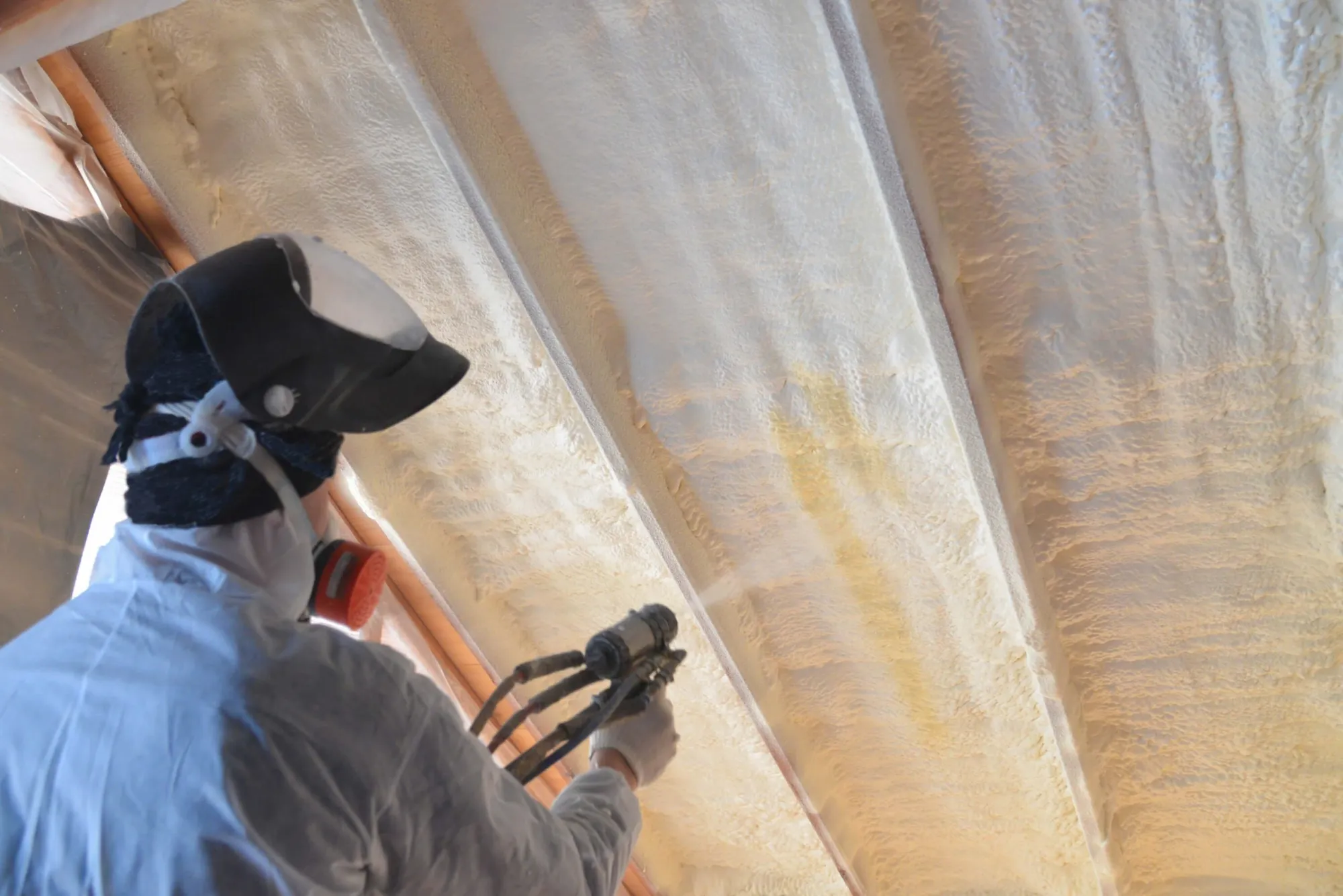
Spray foam is a premium option that expands upon application. This expansion fills every crack and crevice, creating a barrier that traditional materials cannot match. It effectively stops drafts and helps maintain a steady temperature in every room of the house.
Technical Performance Comparison of Common Materials
The following table outlines the general characteristics of the most popular insulation types used in residential settings. These values represent industry averages and may vary based on the specific brand or installation quality.

| Insulation Type | Average R-Value per Inch | Air Sealing Ability | Moisture Resistance |
|---|---|---|---|
| Closed-Cell Spray Foam | 6.0 to 7.0 | Excellent | High |
| Open-Cell Spray Foam | 3.5 to 3.8 | Good | Moderate |
| Fiberglass Batts | 2.9 to 3.8 | Low | Low |
| Blown-In Cellulose | 3.2 to 3.8 | Moderate | Low |
| Mineral Wool | 3.0 to 3.3 | Low | High |
Spray Foam Insulation for Maximum Air Sealing
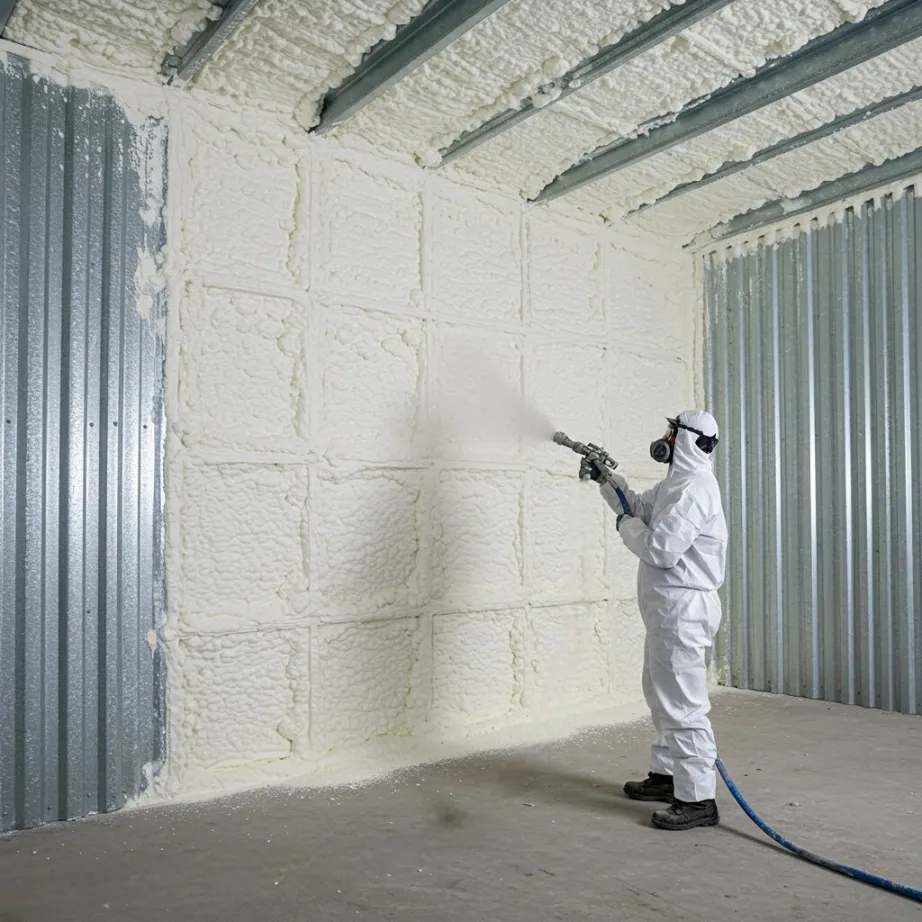
Spray foam is a liquid polyurethane that hardens into a solid layer. It comes in two main forms: open-cell and closed-cell. Closed-cell foam is dense and acts as a vapor barrier, making it ideal for damp areas like basements or crawl spaces.
Open-cell foam is lighter and more flexible. It provides excellent sound dampening and is usually more cost-effective for interior walls or attics where a vapor barrier is not required. Both types offer air sealing that exceeds the performance of traditional materials.
Data shows that heating and cooling account for nearly 48 percent of energy use in a typical home. By using spray foam to stop air leakage, residents can reduce the workload on their HVAC system. This leads to lower monthly bills and less wear on mechanical equipment.
Fiberglass Batts and Blown-In Options
Fiberglass is made from fine glass fibers and is the most widely installed insulation in North America. It is naturally fire-resistant and relatively inexpensive. It is available in pre-cut batts or as loose-fill material that is blown into place using a machine.
One challenge with fiberglass is that it does not stop airflow. If there are gaps in a home's exterior shell, air moves through the fiberglass, which can reduce its effective performance. It is also prone to sagging over time if not secured properly.
Bonus Tip: When installing fiberglass in an attic, installers should ensure they do not compress the material. Compressed insulation loses its ability to trap air, which lowers its thermal performance.
Cellulose Insulation from Recycled Materials
Cellulose consists of about 80 to 85 percent recycled paper fiber, usually post-consumer newsprint. It is treated with boric acid or ammonium sulfate to provide fire resistance and to deter pests. This makes it one of the more environmentally friendly options available.
It has a slightly higher R-value than standard fiberglass. Because it is a loose-fill material, it settles into irregular spaces effectively. This high density helps block sound and reduces the convection currents that can occur inside wall cavities.
Mineral Wool for Fire Resistance and Sound Dampening
Mineral wool, also known as rock wool, is made from volcanic rock and slag. It has a very high melting point, which makes it an excellent fire block. It is much denser than fiberglass, providing sound performance for home theaters or bedrooms.
This material is also hydrophobic, meaning it does not absorb water. If it gets wet, it retains its insulating properties once it dries out. This makes it a preferred choice for areas where moisture is a concern but a foam product is not desired. The selection of these materials often depends on how a specific product responds to the local environment and the unique challenges of the building site.
Which Insulation Type Fits Your Specific Climate Needs?
Local weather plays a major role in choosing the right material. In colder northern climates, a high R-value is the priority to keep heat inside during long winters. In these regions, closed-cell spray foam is highly effective because it prevents warm interior air from escaping.
In humid southern climates, managing moisture is just as important as managing temperature. Using a material that resists mold growth and acts as a vapor retarder can prevent structural damage. Properly sealed homes in these areas stay cooler and feel less humid during the summer months.
According to the EPA, homeowners can save an average of 15 percent on heating and cooling costs by air sealing their homes and adding insulation in attics and floors. This demonstrates that the initial investment often pays for itself through long-term energy savings.
Important Factors to Evaluate Before Choosing a Material
Before committing to a specific insulation type, homeowners should consider the current state of their property. A professional inspection can reveal hidden issues that might interfere with the performance of new materials.
- Existing Air Leaks: Insulation works best when air movement is minimized. One should identify and seal leaks around windows, doors, and plumbing penetrations before adding new layers.
- Moisture Levels: If an attic or crawl space has a history of leaks or high humidity, those issues must be resolved first. Installing insulation over damp areas can lead to mold and rot.
- Structural Space: Some materials require more physical room than others to reach a specific R-value. If there is limited space in the walls, a product with a higher R-value per inch, like closed-cell foam, may be required.
- Long-Term Goals: Consider how long the residency is expected to last. Premium materials like spray foam have a higher upfront cost but offer reliable performance and durability over many decades.
Bonus Tip: Always check for recessed lighting fixtures in the ceiling. Unless they are rated for contact with insulation, a clear space must be kept around them to prevent heat buildup and fire risks.
The Role of Professional Installation in Energy Savings
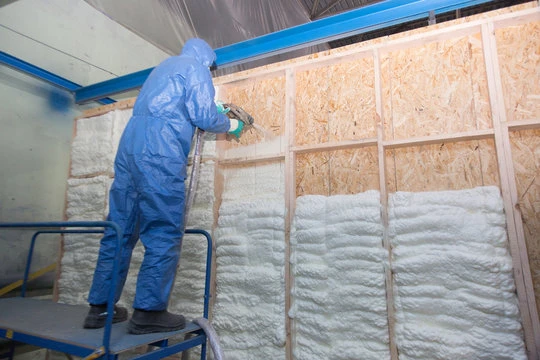
Even high-quality materials will fail if they are not installed correctly. Professional installers have the equipment to ensure even coverage and proper density. They also understand how to handle materials safely, especially those that require protective gear during application.
In about 90 percent of existing US homes, insulation levels are below current recommendations. Upgrading these levels is one of the most effective ways to improve property value. A well-insulated home is more attractive to buyers because it suggests lower utility costs and a more comfortable living environment.

Expert Guidance for Selecting the Right Installation Professional
When deciding to upgrade a home, property owners should look for a provider with a track record of success in the local region. They should offer a thorough assessment of current insulation and provide a clear plan for improvement. Reliable professionals will explain the benefits of different materials without pushing for the most expensive option if it is not necessary for the situation.
Take the time to review the R-value requirements for the specific climate zone. This ensures the solution provided meets or exceeds local building codes. By focusing on both air sealing and thermal resistance, it is possible to create a home that remains comfortable regardless of the season.
Connect with Local Experts for a Professional Assessment and Free Quote
For those ready to improve home comfort and reduce energy bills, contacting an experienced provider is a practical step. Raleigh Excel Spray Foam Insulation offers expert services including closed-cell and open-cell spray foam, as well as specialized insulation for roofs, walls, and basements. They serve both residential and commercial clients, providing quality solutions for warehouses and homes alike. They can be reached at (919) 301-9435 or via email at [email protected] to discuss a project. They provide quotes and help property owners choose the most effective insulation for their specific needs.
Common Questions Regarding Home Thermal Protection
What is the difference between open-cell and closed-cell spray foam?
Open-cell foam is softer and more flexible with a lower R-value, while closed-cell foam is rigid, much denser, and acts as a water vapor barrier.
Can I install new insulation over the old material?
Yes, in many cases new insulation can be added over old layers if the existing material is dry and free of mold or pests.
How do I know if my home needs more insulation?
If residents notice uneven temperatures between rooms, high energy bills, or cold floors in the winter, the home likely has insufficient insulation.
Does insulation help with noise reduction?
Yes, dense materials like mineral wool and open-cell spray foam are particularly effective at absorbing sound and reducing noise transfer between rooms.
How long does modern home insulation typically last?
Most materials like fiberglass and spray foam are designed to last for the life of the home, though settling or moisture damage can reduce their effectiveness over time.





















Sign in to leave a comment.