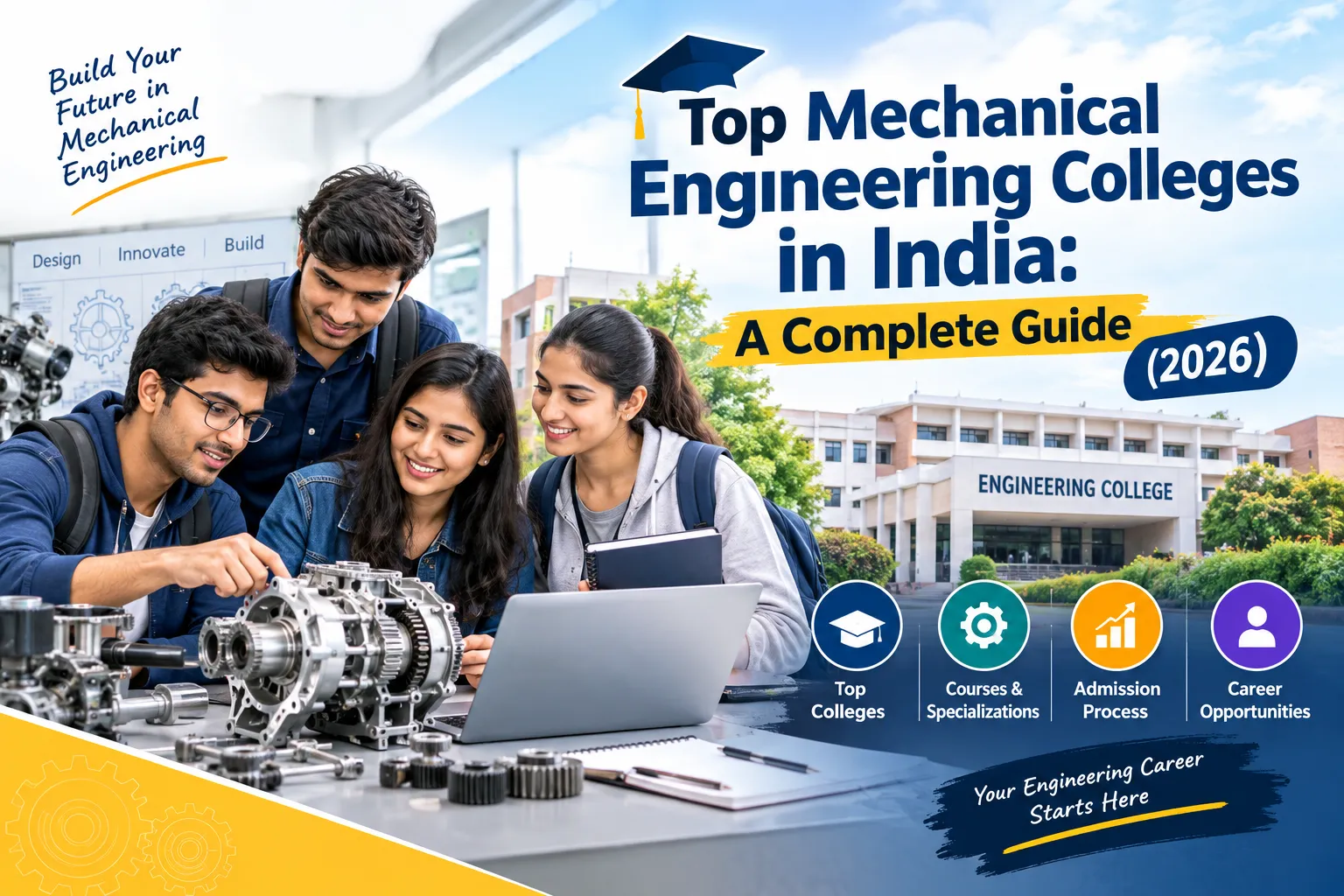

Mechanical engineering remains one of India's most sought-after engineering disciplines, blending core principles of design, thermodynamics, manufacturing, and robotics with emerging fields like automation and AI-driven production. With thousands of colleges offering the course, choosing the right institution can significantly shape a student's career trajectory. Here's a look at what makes a mechanical engineering college worth considering, and which institutions consistently rank at the top.
Why Mechanical Engineering Still Matters
Despite the rise of computer science and IT-focused branches, mechanical engineering continues to offer strong career prospects across automotive, aerospace, manufacturing, energy, and robotics sectors. Core skills in this field—like CAD/CAM design, thermal systems, and materials science—remain foundational to industries that are now integrating automation and smart manufacturing (Industry 4.0), keeping demand for well-trained mechanical engineers steady.
Top Institutes to Consider
Indian Institutes of Technology (IITs): IIT Bombay, Delhi, Madras, Kanpur, Kharagpur, and Roorkee are consistently ranked among India's best for mechanical engineering, thanks to their research output, faculty expertise, and placement records with top-tier companies.
National Institutes of Technology (NITs): NIT Tiruchirappalli, NIT Warangal, and NIT Surathkal are strong choices for students who may not secure an IIT seat but still want rigorous academics and solid industry connections.
BITS Pilani: Known for its flexible curriculum and strong industry tie-ups, BITS Pilani is a popular choice for students admitted through BITSAT rather than JEE.
Private and Deemed Universities: Institutions like VIT Vellore, SRM University, and Jadavpur University have built strong reputations through modern labs, industry collaborations, and consistent placement performance, making them viable alternatives to government institutes.
What to Look for When Choosing a College
- Accreditation and Rankings: Check NIRF rankings and NBA accreditation status, as these reflect academic quality and infrastructure standards.
- Placement Records: Look at average and highest packages, along with the diversity of recruiting companies—core mechanical firms versus IT companies hiring mechanical grads.
- Faculty and Research: Strong faculty-to-student ratios and active research labs (robotics, thermal engineering, manufacturing) enhance learning outcomes.
- Industry Exposure: Internship tie-ups, live projects, and industry visits give students a practical edge before graduation.
- Infrastructure: Well-equipped workshops, CAD labs, and testing facilities are essential for hands-on mechanical engineering education.
Admission Pathways
Most top colleges require JEE Main or JEE Advanced scores for admission, while private universities may conduct their own entrance exams (like VITEEE or SRMJEEE) or accept JEE scores directly. Researching each college's specific eligibility criteria and cutoff trends is essential before applying.
Final Thoughts
Choosing the right mechanical engineering college depends on individual priorities—whether that's brand reputation, placement statistics, research opportunities, or campus culture. Prospective students should compare multiple institutions across these parameters rather than relying on rankings alone, and where possible, connect with current students or alumni for firsthand insights.




























Sign in to leave a comment.