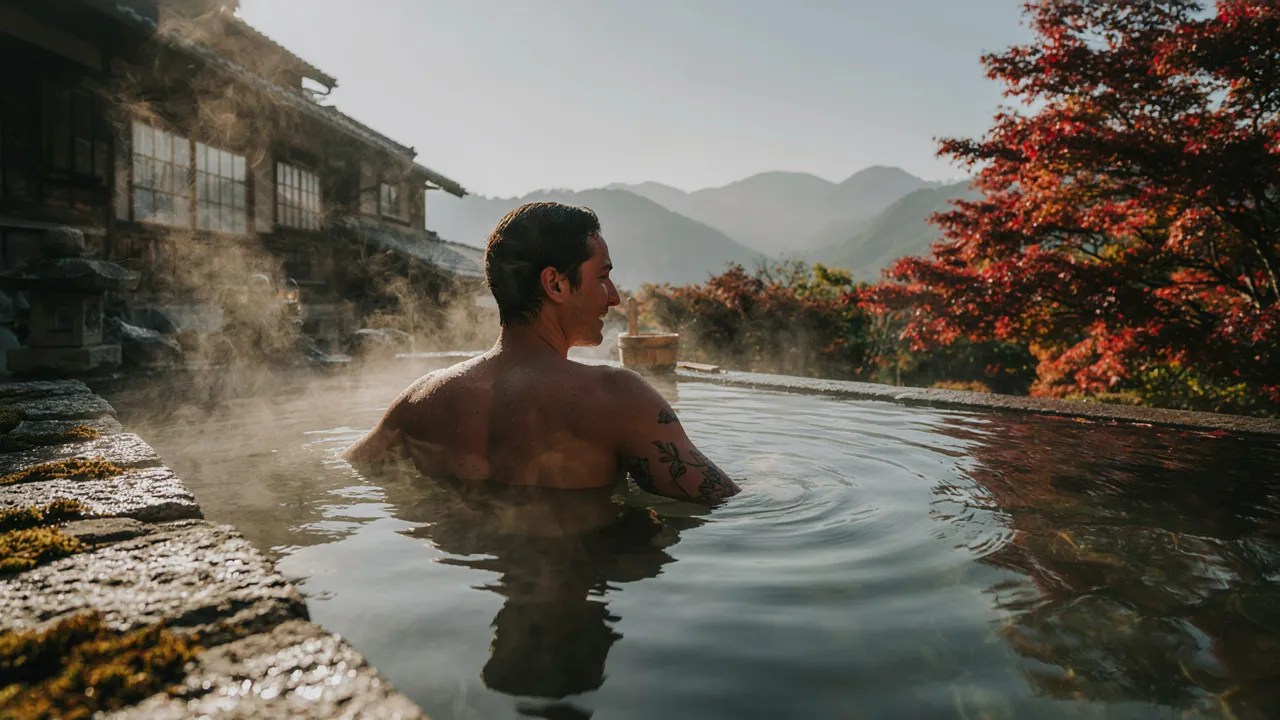

Japan’s hot springs, known as onsen, offer one of the country's most relaxing and authentic cultural experiences. Whether you're soaking in a mountainside bath with breathtaking views or enjoying a traditional ryokan's private hot spring, understanding proper etiquette is essential.
Many first-time visitors unintentionally break unwritten rules simply because they're unfamiliar with local customs. Fortunately, avoiding these mistakes is easy once you know what to expect.
In this guide, we'll cover the most common onsen etiquette mistakes, explain important Japanese bathing etiquette, and share the essential onsen rules for visitors so you can enjoy your experience with confidence and respect.
1. Entering the Bath Without Showering First
One of the biggest mistakes tourists make is stepping directly into the hot spring without washing themselves.
Japanese onsen are designed for soaking—not cleaning your body. Before entering the bath, thoroughly wash and rinse yourself at the provided shower stations. Most onsen supply stools, handheld showerheads, soap, shampoo, and conditioner.
Take your time and make sure no soap remains on your body before entering the communal bath.
Following this simple rule shows respect for everyone sharing the water and is one of the most important aspects of Japanese bathing etiquette.
2. Bringing Towels Into the Water
Most visitors receive two towels:
- A large bath towel for drying off afterward.
- A small hand towel for washing or covering yourself while walking.
A frequent mistake is allowing the small towel to touch the bathwater.
Instead, fold it and place it on your head or leave it on the edge of the bath. Keeping towels out of the water helps maintain cleanliness and follows standard onsen rules for visitors.
3. Wearing Swimwear in a Traditional Onsen
Unlike swimming pools, traditional Japanese onsen require guests to bathe completely nude.
Many international travelers assume swimsuits are acceptable, but wearing one is generally considered improper unless you're visiting a mixed-gender facility that specifically allows swimwear.
If you're feeling nervous, remember that everyone else is there for the same reason, and modesty quickly becomes less intimidating once you enter.
4. Making Too Much Noise
An onsen is meant to be a peaceful place for relaxation.
Talking loudly, splashing, or playing around can disturb other guests who have come to unwind after a long day.
Keep conversations quiet, silence your phone, and avoid taking calls inside the bathing area.
Respecting the calm atmosphere is a key part of Japanese bathing etiquette and helps everyone enjoy the experience.
5. Ignoring Tattoo Policies
Although attitudes toward tattoos are gradually changing, many traditional onsen still restrict entry for guests with visible tattoos due to historical associations.
Before visiting, check the facility's policy online or ask the staff.
Many modern onsen now welcome tattooed visitors, offer private baths, or allow small tattoos to be covered with special patches.
Planning ahead can save disappointment and ensure your visit goes smoothly.
6. Forgetting Basic Onsen Rules
Several smaller etiquette mistakes can also affect your experience. Keep these important tips in mind:
- Tie up long hair so it doesn't touch the water.
- Never wash clothes inside the bath.
- Avoid swimming or splashing.
- Don't bring food or drinks into the bathing area.
- Dry off before returning to the changing room.
- Follow any facility-specific instructions posted near the entrance.
These simple habits demonstrate respect for local customs and fellow bathers.
Tips for First-Time Onsen Visitors
If it's your first visit, don't worry—many travelers feel unsure at first. Most onsen provide clear signs, and observing what local guests do is often the easiest way to learn.
If you're still uncomfortable with communal bathing, consider booking a private onsen (known as kashikiri) or staying at a ryokan with an in-room hot spring.
Most importantly, relax and enjoy the experience. Onsen culture is about slowing down, appreciating nature, and embracing one of Japan's oldest traditions.
Final Thoughts
Visiting an onsen is one of the highlights of traveling in Japan, but understanding local customs makes the experience far more enjoyable for everyone.
By avoiding these common onsen etiquette mistakes, respecting Japanese bathing etiquette, and following the essential onsen rules for visitors, you'll not only fit in more naturally but also gain a deeper appreciation for this cherished Japanese tradition.
A little preparation goes a long way, allowing you to soak, unwind, and experience Japanese hospitality the way it was meant to be enjoyed.






















Sign in to leave a comment.