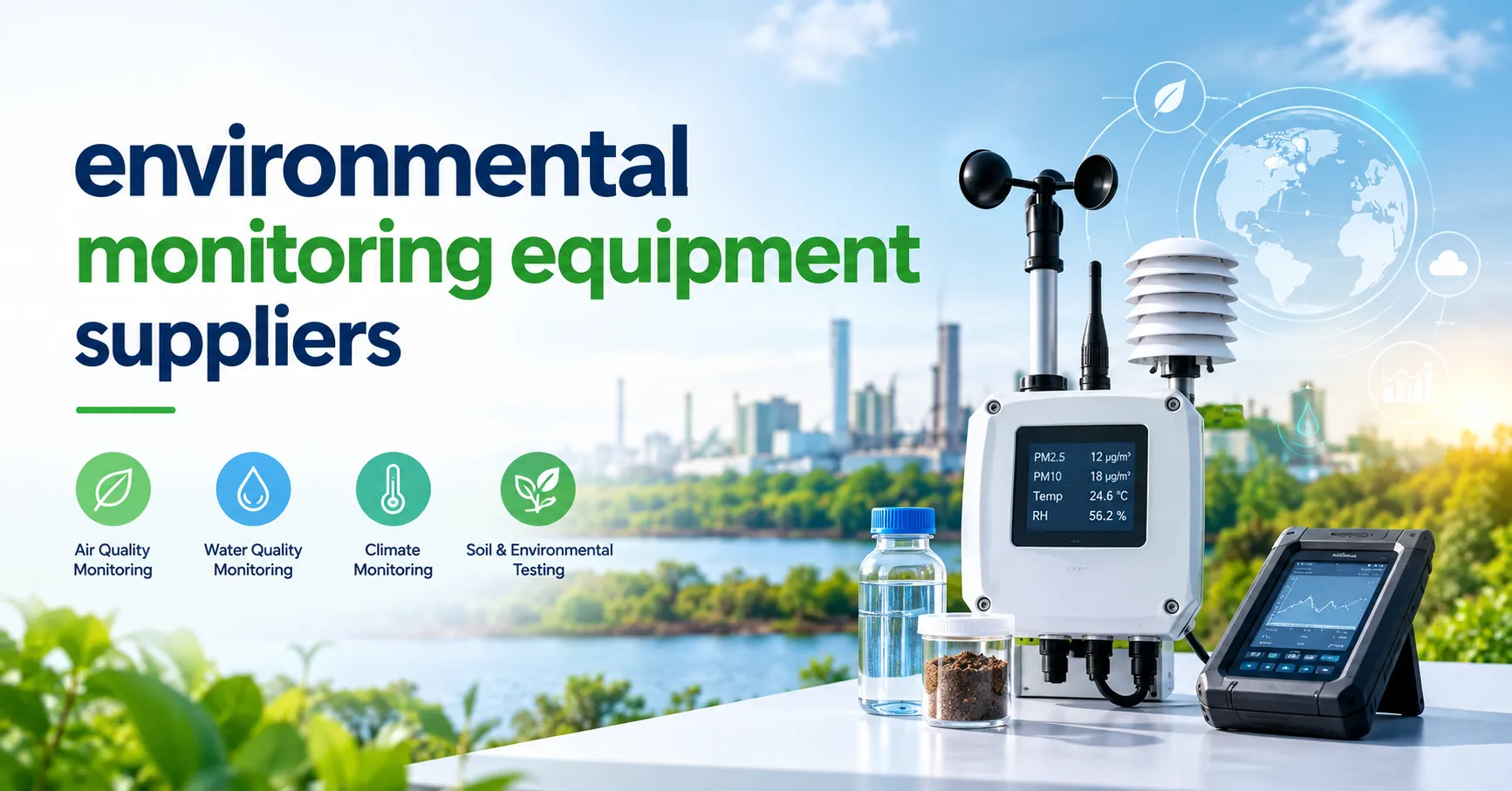

Reliable environmental data starts with more than buying the right instrument. Environmental monitoring equipment suppliers can also provide installation, calibration, training, maintenance, and technical support. Choosing a supplier that offers these services can help reduce downtime and improve measurement quality. This guide explains the key services to expect and how to evaluate them before making a purchase.
What Are the Top Services to Expect From Environmental Monitoring Equipment Suppliers?
The best environmental monitoring equipment suppliers support customers throughout the equipment lifecycle, not only during the sale. Their services may include product selection, installation, calibration, preventive maintenance, troubleshooting, operator training, and documentation.
These services matter because environmental measurements must be consistent and traceable. The U.S. EPA emphasizes calibration, documentation, quality control, and proper maintenance as important parts of reliable environmental monitoring programs.
Top Services to Look For
1. Equipment Selection and Consultation
A good supplier should first understand your application. Air, water, soil, temperature, humidity, emissions, and workplace environments can require different instruments.
Ask the supplier about measurement range, accuracy, detection limits, operating conditions, data storage, and compatibility with your existing systems.
The goal is simple: choose equipment that matches the actual monitoring task rather than buying based only on price or brand.
2. Installation and Commissioning
Proper installation is essential for reliable readings. Suppliers should explain where and how the equipment should be installed.
Professional commissioning may include setup, configuration, initial testing, sensor checks, and verification that the instrument operates as expected.
For continuous monitoring systems, this service can be especially valuable because installation errors may affect readings for weeks before anyone notices them.
3. Calibration and Verification
Calibration is one of the most important services to discuss before purchase. EPA guidance highlights the need for controlled calibration procedures and records that can be traced to appropriate standards.
Ask:
- How often should the instrument be calibrated?
- Who performs the calibration?
- Are calibration certificates provided?
- What standards are used?
- Is verification available between scheduled calibrations?
A reliable supplier should provide clear answers rather than treating calibration as an afterthought.
4. Preventive Maintenance
Regular maintenance helps equipment remain dependable over time. Environmental monitoring equipment suppliers may offer scheduled inspections, sensor replacement, cleaning, performance checks, and software updates.
Preventive maintenance is often less costly than waiting for an instrument to fail during an important monitoring period.
5. Technical Support and Troubleshooting
Even good equipment can experience problems. A strong supplier should provide technical assistance when readings become unstable or an instrument stops working.
Look for suppliers that offer phone, email, remote, or on-site support. Also ask about response times and spare-part availability.
6. User Training
Training helps operators use instruments correctly. Suppliers may provide demonstrations, operating instructions, basic troubleshooting guidance, and application-specific training.
Training should cover normal operation, routine checks, data handling, cleaning, and basic safety procedures.
How to Evaluate a Supplier Before Buying
Choosing between environmental monitoring equipment suppliers becomes easier when you use a simple checklist.
Step 1: Define Your Monitoring Requirements
Write down exactly what you need to measure. Include the parameter, expected range, sampling frequency, environment, accuracy requirements, and reporting needs.
Step 2: Compare the Complete Service Package
Do not compare suppliers only by equipment price. Consider installation, calibration, training, warranty, maintenance, software support, and replacement parts.
A lower purchase price may not represent the lowest long-term cost.
Step 3: Ask for Documentation
Request technical specifications, user manuals, calibration information, warranty terms, service details, and relevant certificates.
Good documentation makes equipment easier to operate, maintain, and audit.
Step 4: Check After-Sales Support
Ask what happens after installation. Find out whether the supplier has trained service personnel and access to replacement components.
Step 5: Consider Data Quality
The instrument should produce data that is useful for your actual application. EPA quality-assurance guidance recommends establishing data-quality objectives, using scientifically sound procedures, maintaining traceability, and documenting results.
Common Mistakes to Avoid
Even experienced buyers can overlook important service factors. Avoid these common mistakes:
Buying only on price: A cheap instrument may become expensive if calibration and repairs are difficult to obtain.
Ignoring calibration: Accurate measurements require appropriate calibration and verification procedures.
Skipping operator training: Incorrect operation can lead to poor data even when the equipment itself works properly.
Not checking spare parts: Ask about sensor availability, replacement components, and expected lead times.
Overlooking documentation: Keep calibration records, service reports, operating procedures, and maintenance information organized.
Choosing without considering the application: An instrument that works well in one environment may not be suitable for another.
Why After-Sales Service Matters
Environmental monitoring is an ongoing activity. Equipment may operate for months or years, often under demanding conditions. This makes supplier support almost as important as the original product.
For example, the EPA describes quality assurance as a broader system that includes planning, documentation, data management, quality control, and corrective action.
Similarly, current WHO guidance highlights the importance of continuous and consistent environmental data for areas such as air and water quality.
This is why environmental monitoring equipment suppliers should be evaluated as long-term technical partners rather than simple product sellers.
Where to Find Reliable Information
When researching monitoring equipment, start with authoritative technical resources.
The U.S. Environmental Protection Agency (EPA) provides guidance on environmental measurement, quality assurance, calibration, and monitoring programs.
The World Health Organization (WHO) provides guidance covering environmental health, air quality, water quality, and related monitoring activities.
For laboratory testing and calibration competence, buyers can also review the ISO/IEC 17025 standard and understand how competent testing and calibration practices support reliable results.
When speaking with environmental monitoring equipment suppliers, use these types of resources to develop practical questions and compare technical claims.
Questions to Ask Before Choosing a Supplier
Before placing an order, ask:
- What applications is this instrument designed for?
- What installation support is included?
- How often does it require calibration?
- Can you provide calibration and service documentation?
- What training is available for operators?
- How quickly can technical support respond?
- Are replacement sensors and spare parts available?
- What warranty and preventive-maintenance options are offered?
- Can the instrument integrate with our existing data systems?
- What ongoing costs should we expect?
Clear answers to these questions can reveal whether a supplier is prepared to support your monitoring program after the sale.
Conclusion
The right environmental monitoring equipment suppliers offer much more than instruments. Installation, calibration, maintenance, training, technical support, and documentation can all affect long-term performance and data quality. Before choosing a supplier, compare the complete service package, not just the equipment price. Use the checklist above, review trusted resources, and choose a partner that can support your monitoring needs over time.
FAQs
1. What services do environmental monitoring equipment suppliers provide?
Services commonly include equipment selection, installation, commissioning, calibration, preventive maintenance, operator training, troubleshooting, software support, and replacement parts.
2. Why is calibration important for environmental monitoring equipment?
Calibration helps verify that an instrument is producing measurements within its required performance limits. Proper calibration and documentation support reliable and traceable results.
3. How do I choose the right environmental monitoring equipment supplier?
Compare technical expertise, product range, installation services, calibration support, warranty, training, spare parts, response times, and after-sales service.
4. Should I consider after-sales service when buying monitoring equipment?
Yes. Monitoring equipment may require regular maintenance, calibration, software updates, and replacement components. Strong after-sales support can reduce downtime and help maintain data quality.
5. What should I check before purchasing environmental monitoring equipment?
Define your monitoring requirements first. Then compare measurement range, accuracy, installation needs, calibration requirements, data capabilities, maintenance, warranty, training, and long-term service support.
























Sign in to leave a comment.