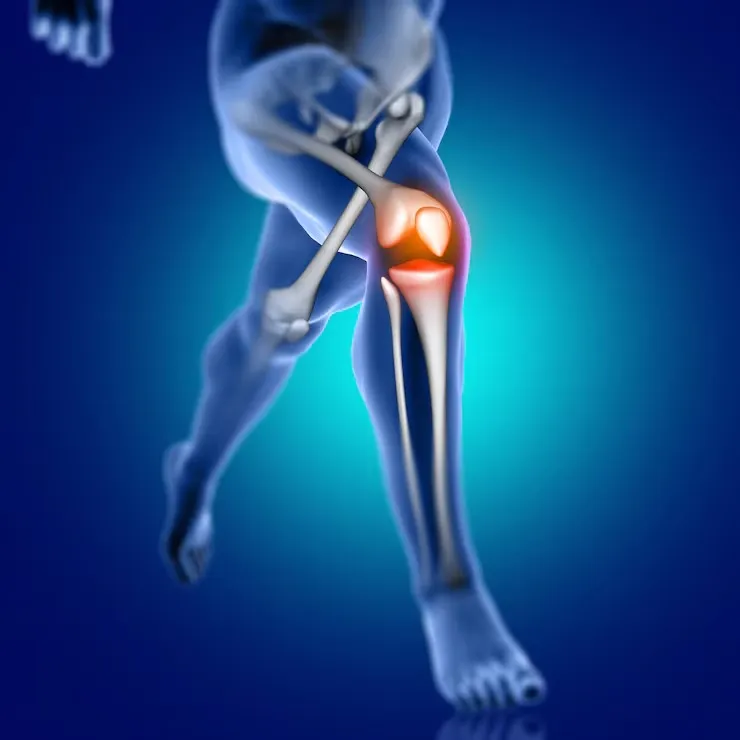

Joint pain can slow you down, making even simple tasks like climbing stairs or holding a cup feel difficult. Many people look for quick, effective relief without relying only on oral medication. This is where a topical analgesic for joint pain becomes useful, offering targeted relief applied directly where it hurts, with fewer effects on the rest of the body.
What Is a Topical Analgesic?
A topical analgesic is a cream, gel, or spray applied directly to the skin over a painful joint. It works by delivering active ingredients through the skin to calm pain signals or reduce inflammation in the area. Common ingredients include menthol, capsaicin, diclofenac, or camphor, each working slightly differently to ease discomfort.
How It Helps with Joint Pain
Joint pain often comes from conditions like arthritis, overuse, or minor injuries, and topical treatments offer a practical way to manage it. Applying the product directly to the affected area allows faster localized relief. Many people prefer this method because it reduces the need for higher doses of oral pain relievers, which can sometimes cause stomach discomfort.
Benefits of Using Topical Analgesics
Understanding the advantages helps you decide if this option suits your needs:
- Provides targeted relief exactly where pain is felt.
- Reduces reliance on oral pain medication.
- Works quickly, often within minutes of application.
- Easy to use without needing a prescription in most cases.
- Suitable for everyday joints like knees, shoulders, and hands.
How to Choose the Right Product
Not every topical analgesic works the same way, so choosing wisely matters. Consider these points before buying:
- Check the active ingredient and how it matches your pain type.
- Look for products suited to chronic pain versus occasional soreness.
- Read reviews to see real user experiences with the brand.
- Confirm there are no known allergies to listed ingredients.
- Choose a trusted pharmacy or seller for authentic products.
Steps for Safe and Effective Use
Using these products correctly improves results and reduces risks:
- Clean and dry the affected joint before application.
- Apply a thin, even layer as directed on the label.
- Wash hands thoroughly after applying, unless using on hands.
- Avoid applying to broken or irritated skin.
- Give the product time to absorb before covering with clothing.
Final Thoughts
A reliable topical analgesic for joint pain can make daily movement easier and more comfortable, especially for those dealing with mild to moderate discomfort. By choosing the right product and using it correctly, you can support your joints without depending heavily on oral medication. If you're looking for a simple, practical way to manage joint pain, exploring a good topical analgesic for joint pain is a smart place to start.






















Sign in to leave a comment.