

A topical map for SEO is a structured plan that organizes the main topic of a website into related subtopics, supporting content, and search intents. Instead of creating individual blog posts around random keywords, a topical map helps SEO professionals build a connected content ecosystem around a subject. This approach can make content easier to organize, improve internal linking, cover important user questions, and help search engines better understand the overall focus of a website.

What Is a Topical Map in SEO?
A topical map is essentially a content blueprint for a particular subject. It starts with a broad topic and breaks it into smaller, closely related topics that users may search for at different stages of their journey.
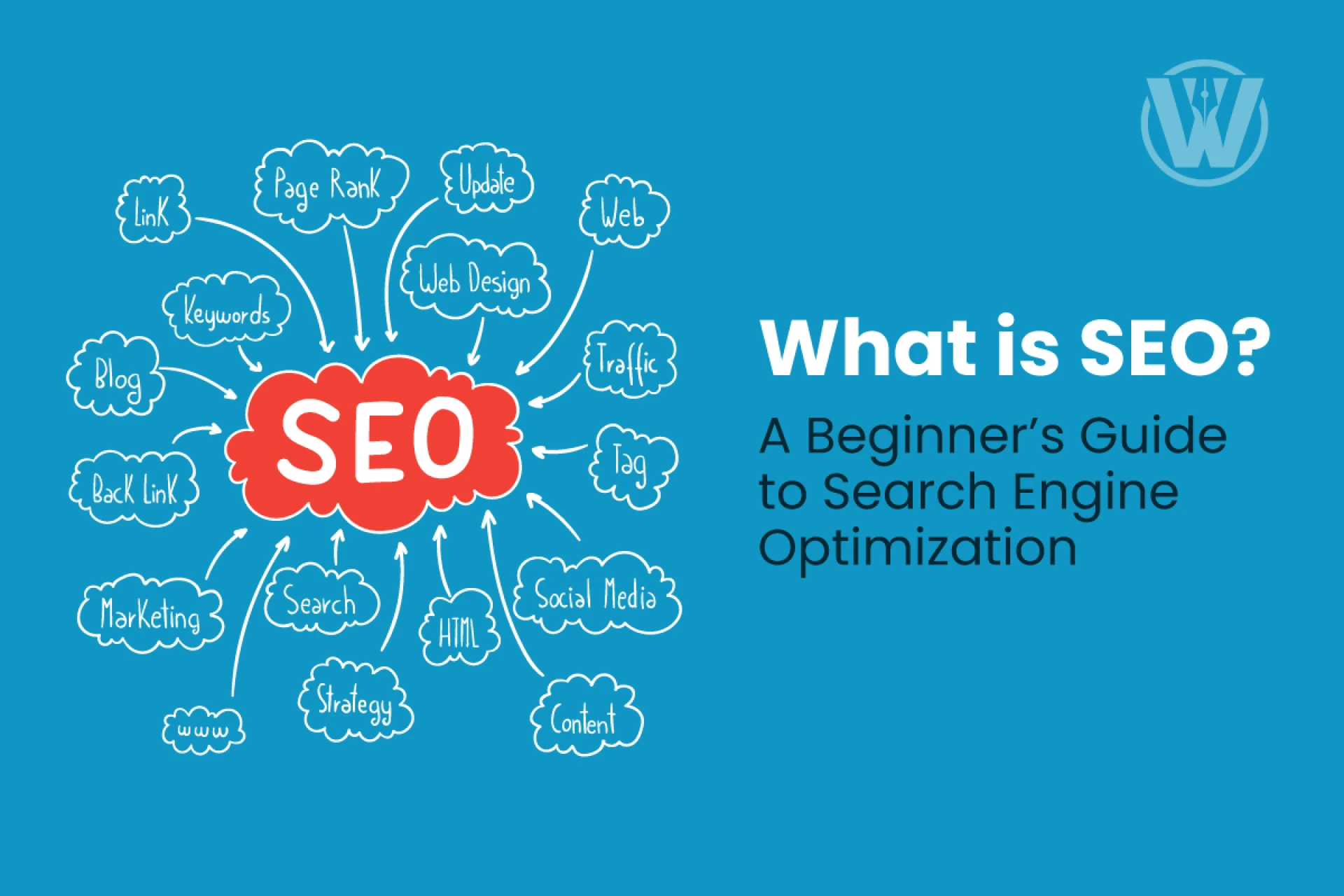
For example, if the main topic is SEO, a topical map could include keyword research, on-page SEO, technical SEO, off-page SEO, local SEO, e-commerce SEO, SEO tools, Google Search Console, SEO analytics, and SEO strategies.
Each of these categories can then be divided into more specific questions and subtopics. This creates a logical relationship between the website's main pages and supporting content.
Topical Map vs. Keyword List
A keyword list mainly tells you what people are searching for. A topical map goes further by showing how those keywords and topics are connected.
For example, a keyword list might contain terms such as "technical SEO," "technical SEO audit," "crawl errors," and "XML sitemap." A topical map organizes these terms under a broader technical SEO topic and helps determine which should become primary pages, supporting articles, or sections within existing content.
Why Are Topical Maps Important for SEO?
Search engines need to understand the context and relationships between different pieces of content. A well-organized topical structure can make it easier for both users and search engines to navigate a website.
Helps Build Comprehensive Content Coverage
One major advantage of topical mapping is that it reduces the chance of overlooking important subtopics.
Instead of publishing content whenever a new keyword appears, you can identify the major areas that need to be covered and create content systematically.
For example, a website targeting digital marketing could build separate topic clusters around SEO, PPC, social media marketing, content marketing, email marketing, and analytics.
Supports Better Internal Linking
Topical maps also make internal linking easier.
When related pages are organized into clusters, you can naturally connect supporting articles to broader category or pillar pages. For example, an article about "How to Find Long-Tail Keywords" can link to a broader keyword research guide, while the broader guide can link to other relevant keyword-related resources.
This creates a clear content relationship across the website.
How to Create a Topical Map for SEO
Building a topical map does not have to be complicated. The process becomes easier when you start with the main subject and gradually expand it.
1. Choose Your Core Topic
Start with the primary subject you want your website or content section to be known for.
The topic should be directly related to your business, audience, products, or services. Avoid choosing a broad subject simply because it has high search volume.
For example, a digital marketing training website may choose SEO as a core topic because it directly relates to its educational offering.
2. Identify Major Subtopics
Next, divide the core topic into important subtopics.
For SEO, these could include:
- Keyword research
- On-page SEO
- Technical SEO
- Off-page SEO
- Local SEO
- E-commerce SEO
- SEO analytics
- Content optimization
These become the major branches of your topical map.
3. Find Supporting Topics and Questions
After identifying the major categories, expand each one into more specific topics.
For example, under technical SEO, you could explore crawlability, indexing, canonical tags, XML sitemaps, redirects, structured data, Core Web Vitals, and technical audits.
At this stage, think beyond keywords and focus on the questions, problems, and information users need.
Consider Different Search Intents
Your topical map should include different types of search intent.
Some users may want to learn about a subject, while others may be comparing solutions or looking for a product or service.
Creating content for different intents helps build a more complete content strategy instead of producing only informational blog posts.
Organize Content Into Topic Clusters
Once your topics are identified, organize them into pillar pages and supporting content.
A pillar page provides broad coverage of a subject, while supporting articles explore specific areas in greater depth.
For example, an "SEO Guide" could act as the main pillar page. Articles covering keyword research, technical SEO, local SEO, link building, and SEO analytics can support that broader page.
These pages can then be connected through relevant internal links.
Review and Update Your Topical Map
A topical map should not be treated as a one-time document.
Search behavior changes, new technologies appear, and industries develop new questions. Regularly review your content to identify missing topics, outdated information, and opportunities for new supporting pages.
You can also examine your existing search performance to discover topics where your website already has visibility and determine where additional useful content could strengthen the overall cluster.
Common Mistakes to Avoid
One common mistake is creating a topical map based only on search volume. A topic may have substantial search demand but still be irrelevant to your audience or business.
Another mistake is creating too many pages that cover nearly identical subjects. This can create unnecessary overlap and make the content structure confusing.
It is also important not to force keywords into every page. The goal of topical mapping is to create useful, connected content—not to repeat the same phrases across dozens of articles.
Conclusion
A topical map provides a structured way to turn scattered SEO content into a connected content strategy. By starting with a core topic, identifying major subtopics, researching supporting questions, considering search intent, and connecting related pages through internal links, businesses can create a more organized website.
The real value of topical mapping is not simply having more articles. It is covering a subject meaningfully and creating a logical relationship between the content users need. When combined with quality content, sound technical SEO, and regular updates, a topical map can become a practical foundation for long-term SEO content planning.
Frequently Asked Questions
What is a topical map in SEO?
A topical map is a structured content plan that organizes a broad subject into related categories, subtopics, questions, and supporting content.
Is a topical map the same as keyword research?
No. Keyword research identifies search terms and their potential demand, while a topical map organizes related topics and their relationships into a broader content strategy.
How many topics should a topical map contain?
There is no fixed number. The size depends on the subject, website, audience, and level of coverage required. A smaller niche may need only a few topic clusters, while a broad industry can require many.
Does topical mapping improve SEO rankings?
A topical map does not directly guarantee rankings. However, it can help create comprehensive content coverage, logical site organization, and stronger internal linking, which are useful components of an SEO strategy.
How often should a topical map be updated?
Review it periodically as your industry, audience questions, search behavior, and website content change. New topics can be added while outdated or overlapping content can be improved or consolidated.




























Sign in to leave a comment.