
Jewellery Traditions Continue to Shape Cultural Fashion Trends
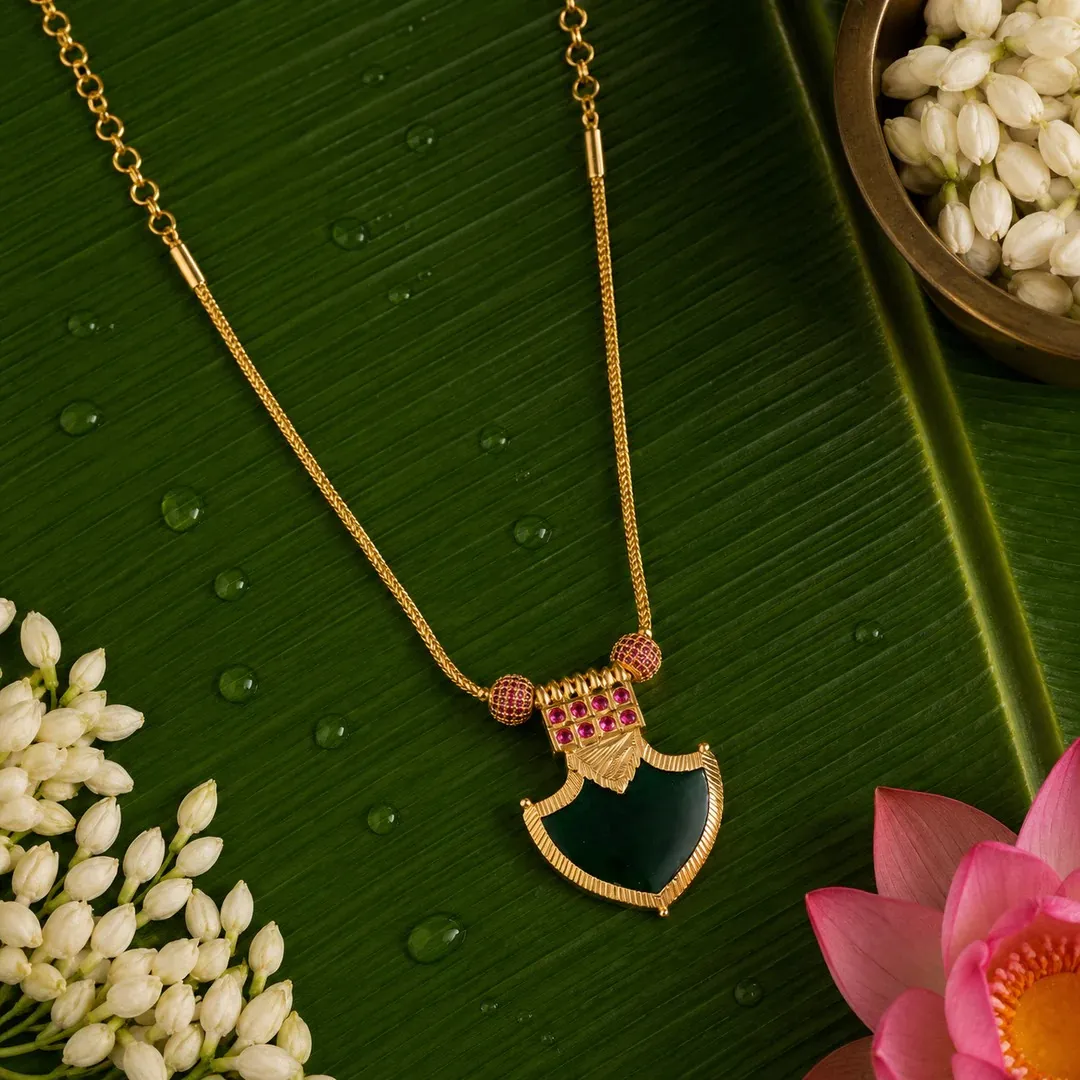
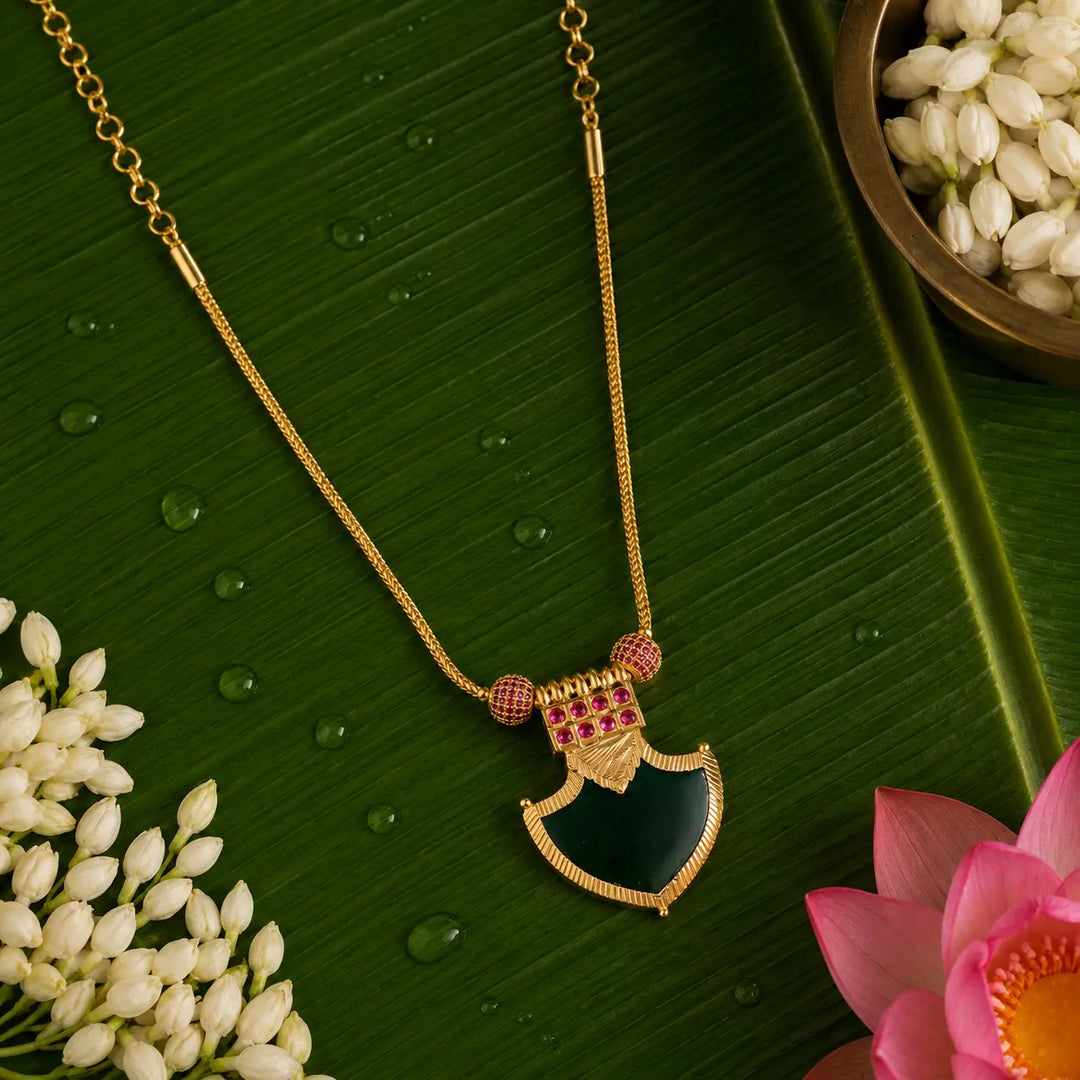
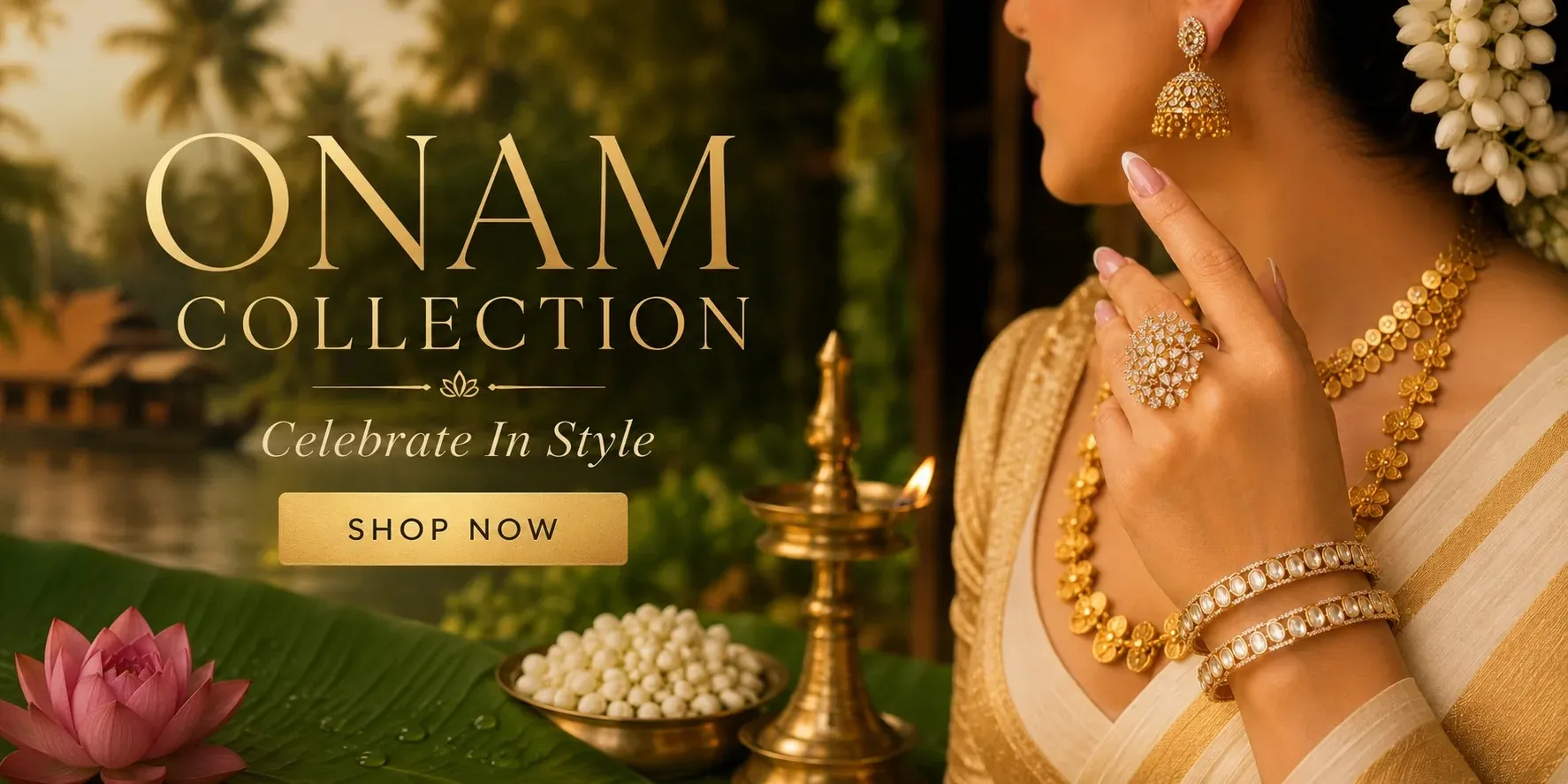
A bride carefully wearing handcrafted gold ornaments before a wedding ceremony reflects a tradition that has remained meaningful for generations. Jewellery in India represents culture, celebration, identity, and artistic craftsmanship that continue influencing fashion trends across the world. Traditional designs remain highly admired because they combine heritage with timeless elegance suitable for modern preferences. Many jewellery enthusiasts appreciate Kerala Jewelry for its intricate craftsmanship and sophisticated gold patterns that symbolize prosperity and cultural pride. The growing popularity of traditional ornaments demonstrates how regional artistry continues inspiring global fashion while preserving the cultural significance attached to handcrafted jewellery collections.
Indian Craftsmanship Reflects Heritage and Artistic Excellence
Indian jewellery is widely recognized for detailed craftsmanship, historical influences, and the skill required to create intricate designs by hand. Artisans across different regions use techniques passed through generations to produce necklaces, earrings, bangles, and decorative accessories with exceptional precision. Gold plating, gemstone settings, engraved patterns, and temple-inspired motifs contribute to the uniqueness of traditional collections. These artistic methods preserve cultural identity while meeting modern expectations for elegance and quality. Handcrafted jewellery remains highly valued because it combines authenticity with visual beauty, allowing traditional designs to maintain relevance within both contemporary fashion markets and ceremonial occasions worldwide today.
Modern Jewellery Preferences Blend Tradition with Contemporary Style
Consumer preferences continue evolving as buyers seek jewellery that offers both cultural significance and modern versatility. Traditional ornaments are now designed in ways that complement everyday fashion while still preserving heritage-inspired elements and craftsmanship. Lightweight materials, minimalist patterns, and modern adaptations of classic motifs have increased the appeal of Indian jewellery among younger generations. Many customers appreciate accessories that can transition easily between formal events and casual settings without losing elegance or authenticity. Designers and retailers continue adapting traditional concepts to contemporary fashion trends, helping handcrafted jewellery remain attractive within rapidly changing global style and consumer markets today.
Wedding Jewellery Holds Deep Cultural and Emotional Significance
Marriage ceremonies in India often include elaborate jewellery traditions that symbolize prosperity, family heritage, and cultural identity. Many brides select Indian Wedding Jewellery because these carefully designed ornaments represent beauty, celebration, and timeless elegance during one of life’s most meaningful occasions. Wedding collections frequently include necklaces, earrings, bangles, waist belts, and decorative headpieces crafted with detailed artistry and luxurious finishes. These ornaments are often treasured for generations as family heirlooms carrying emotional and cultural value. The continued popularity of traditional wedding jewellery highlights the importance of preserving ceremonial customs while embracing evolving fashion preferences within modern celebrations.
Regional Jewellery Styles Add Diversity to Global Fashion Markets
India’s diverse cultural heritage has created a wide range of jewellery styles that reflect regional traditions and artistic influences. Different areas are known for unique patterns, materials, and craftsmanship techniques that contribute to the richness of Indian jewellery collections. This regional diversity allows customers to explore ornaments inspired by temple architecture, royal aesthetics, floral motifs, and traditional ceremonial designs. International fashion markets increasingly appreciate these distinctive styles because they provide originality and cultural authenticity not commonly found in mass-produced accessories. The popularity of regional jewellery collections continues expanding as consumers seek meaningful and handcrafted fashion pieces with historical significance and artistic character.
Growing Global Demand Supports Traditional Jewellery Industries
The international demand for handcrafted jewellery has increased significantly as consumers become more interested in cultural fashion and artisanal craftsmanship. Digital platforms and global marketplaces now allow traditional jewellery collections to reach buyers across different countries and fashion industries. Retailers value handcrafted Indian ornaments because they offer distinctive designs, premium artistry, and timeless visual appeal suitable for various occasions. This growing interest also supports local artisans and traditional jewellery industries that continue preserving valuable techniques passed through generations. Expanding global recognition has helped traditional Indian jewellery remain relevant while contributing to cultural appreciation and economic opportunities within modern fashion markets worldwide.
Traditional Jewellery Continues Inspiring Timeless Fashion Elegance
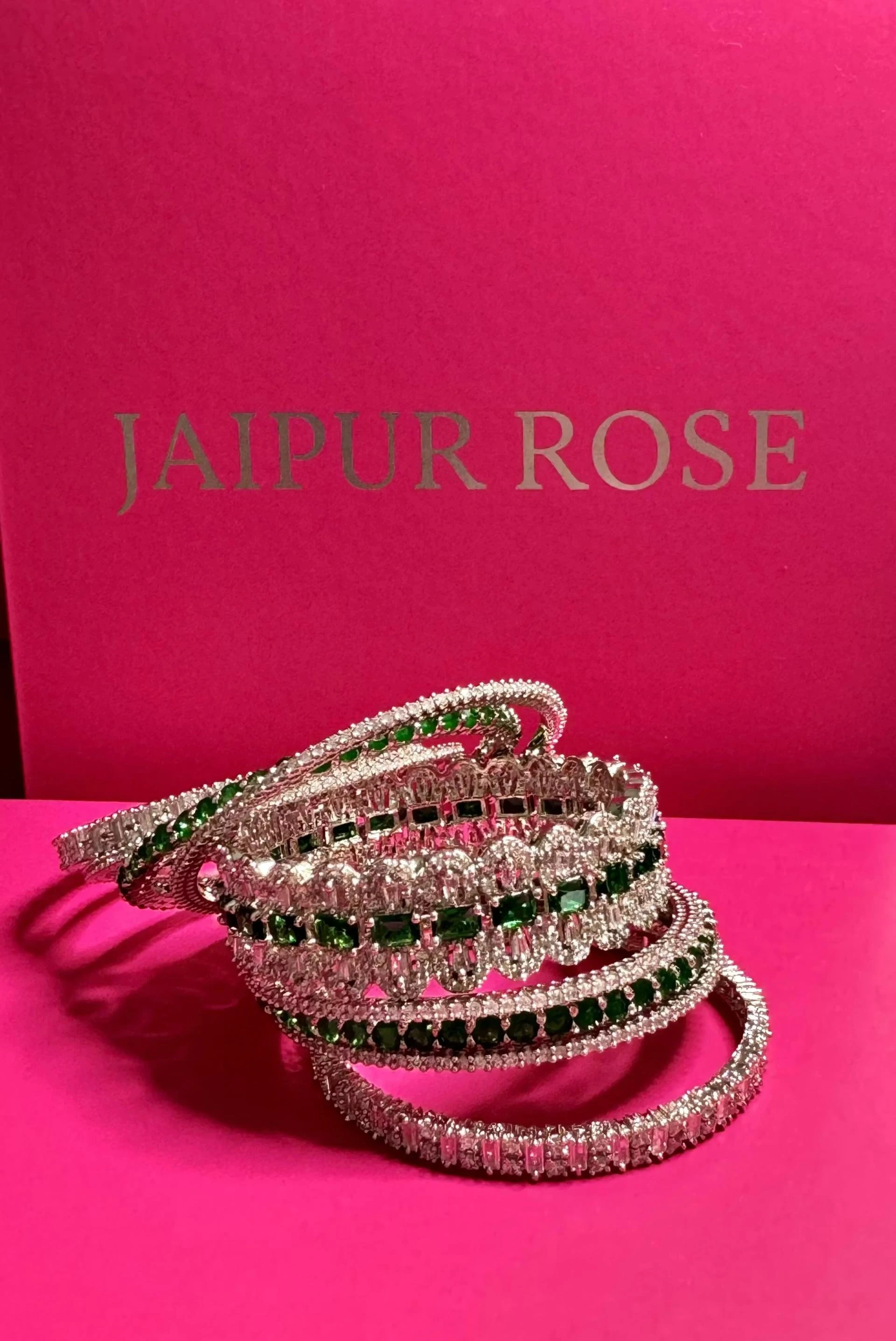
Indian jewellery remains an important symbol of heritage, artistic craftsmanship, and timeless beauty within global fashion and ceremonial traditions. Traditional ornaments continue attracting attention because they combine cultural authenticity with modern elegance suitable for weddings, celebrations, and contemporary styling preferences. Regional craftsmanship and evolving design trends have further strengthened the popularity of handcrafted jewellery collections among international buyers and fashion enthusiasts. Consumers increasingly appreciate meaningful accessories that preserve cultural artistry while adapting to changing lifestyle preferences. In this evolving market, Jaipur Rose continues reflecting the elegance and craftsmanship associated with traditional Indian jewellery admired across generations and modern fashion industries alike.























Sign in to leave a comment.