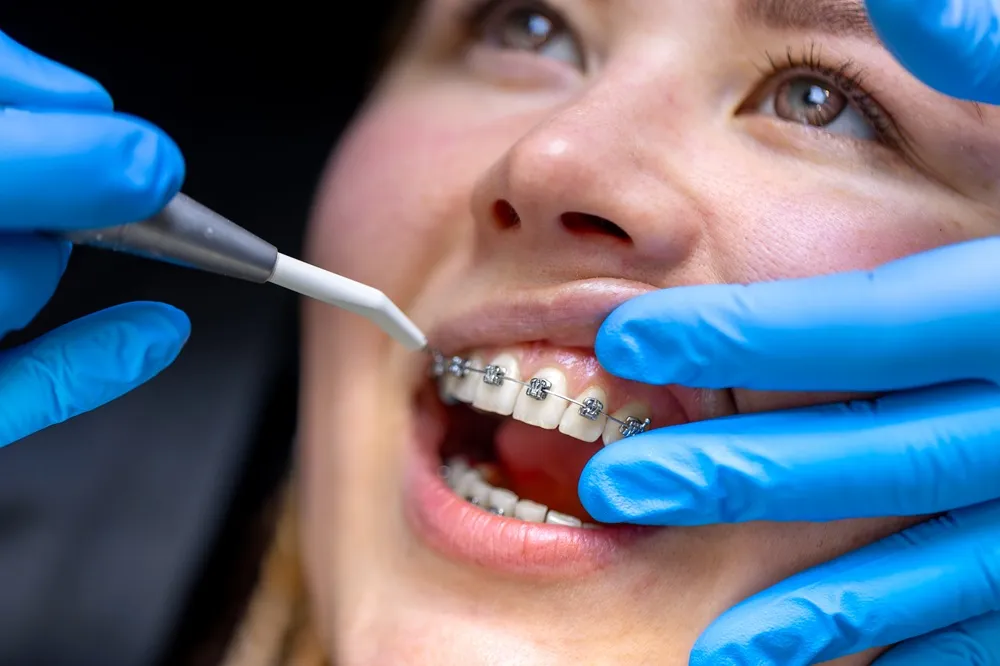

Almost everyone remembers the moment they first looked at their teeth and wished something were different. Maybe it was a crowded lower row, a gap that showed up in every photo, or a bite that never felt quite right. Deciding to get braces is a little exciting and a little scary, and that mix is normal. Traditional metal braces have been helping people through that decision for decades. They are more comfortable and more refined than the ones your parents wore. Here is what they offer, what they cost, and what the road ahead looks like.
Why Traditional Metal Braces Still Earn Their Place
With so many modern options, it is fair to ask why traditional metal braces remain the most common choice. They are made from high-grade stainless steel, using small brackets bonded to each tooth and a thin archwire that guides everything into position. Orthodontists like them because they are reliable, and they handle complex cases well. That includes severe crowding, rotated teeth, and bite problems that other methods sometimes struggle with.
Practices like Aronson Orthodontics, which serves patients in Southbury and Waterbury, Connecticut, offer metal braces alongside ceramic braces and Invisalign. That variety matters because no single option fits everyone. For many teens and adults, metal braces turn out to be the most dependable path to a lasting result.
The Real Benefits
They work on nearly every case. Because the brackets stay fixed to your teeth, your orthodontist has precise control over movement. You don’t have to rely on remembering to wear anything for a set number of hours.
They’re durable. Stainless steel doesn’t stain and is less brittle than ceramic, so you are less likely to deal with broken pieces mid-treatment.
They let you express yourself. This part surprises people. Colored elastics let you swap shades at each visit, so you might pick school colors, a favorite season, or something totally random. Many teens find this takes the edge off feeling self-conscious.
They are often the more budget-friendly option. Metal braces typically cost less than ceramic or clear aligner treatment, which matters when you’re planning for a whole family.
The payoff goes beyond looks. Straighter teeth are easier to clean, and a balanced bite can reduce uneven wear. And yes, many people feel a quiet surge of confidence when the braces finally come off.
What Traditional Metal Braces Cost
Costs vary by region, the complexity of your case, and how long treatment takes. In the United States, traditional metal braces commonly fall somewhere between $3,000 and $7,000. Dental insurance with orthodontic coverage may pay part of that, and many practices offer monthly payment plans to keep it manageable.
The fee usually covers the braces, regular adjustment visits, and often the first retainer, but this differs between offices, so ask what’s included. Aronson Orthodontics offers a free consultation, which is a low-pressure way to get a quote based on your own teeth rather than a national average. They also have a page covering braces and Invisalign cost if you want to read ahead.
What to Expect, Step by Step
The first appointment. Placing the braces generally takes one to two hours and isn’t painful. Your teeth get cleaned and dried, brackets are bonded in place, and the wire is attached. It feels strange more than anything else.
The first week. This is usually the hardest stretch. Your teeth will feel tender and your lips and cheeks may get irritated while they adjust. Soft foods like soup, pasta, yogurt, and mashed potatoes help. Orthodontic wax over a rough bracket brings quick relief, and it really does help.
The months in between. Adjustment visits usually happen every four to eight weeks. Each one brings a mild ache for a day or two, then it fades. Most people say they stop noticing the braces after the first month or so.
Daily habits that matter. Brushing after meals, flossing with a threader or water flosser, and skipping sticky or hard foods will protect your teeth and keep your treatment on schedule. Skip the caramel and ice, however tempting. A loose bracket means extra visits and extra time.
The finish line. Typical treatment runs about 18 to 30 months. When the braces come off, you’ll get a retainer. Wear it as directed, because teeth have a stubborn habit of drifting back.
The Bottom Line
Traditional metal braces aren’t the flashiest choice, but they’re proven, sturdy, and often the most affordable route to a straighter smile. There will be sore days and awkward moments, but most people look back and say it was worth it. If you’re curious, a free consultation is a sensible next step. You’ll get real answers, a real price, and a plan built around your teeth.
Frequently Asked Questions
1. How long do traditional metal braces take to work?
Most patients wear them for roughly 18 to 30 months, depending on how much movement is needed and how closely they follow instructions.
2. Do traditional metal braces hurt?
Expect soreness for a few days after placement and after adjustments, but not sharp pain. Soft foods and over-the-counter pain relievers usually take care of it.
3. How much do traditional metal braces cost?
Many US patients pay between $3,000 and $7,000. A free consultation gives you a personalized figure, and payment plans are commonly available.
4. Can I still play sports or an instrument?
Yes. A mouthguard designed for braces is strongly recommended for sports, and wind-instrument players usually adapt after a short adjustment period.
5. Are metal braces better than clear aligners?
Neither is better for everyone. Metal braces tend to suit complex cases and patients who want something that works around the clock, while aligners suit those who prioritize discretion and removability. Your orthodontist can tell you which fits your situation.

















Sign in to leave a comment.