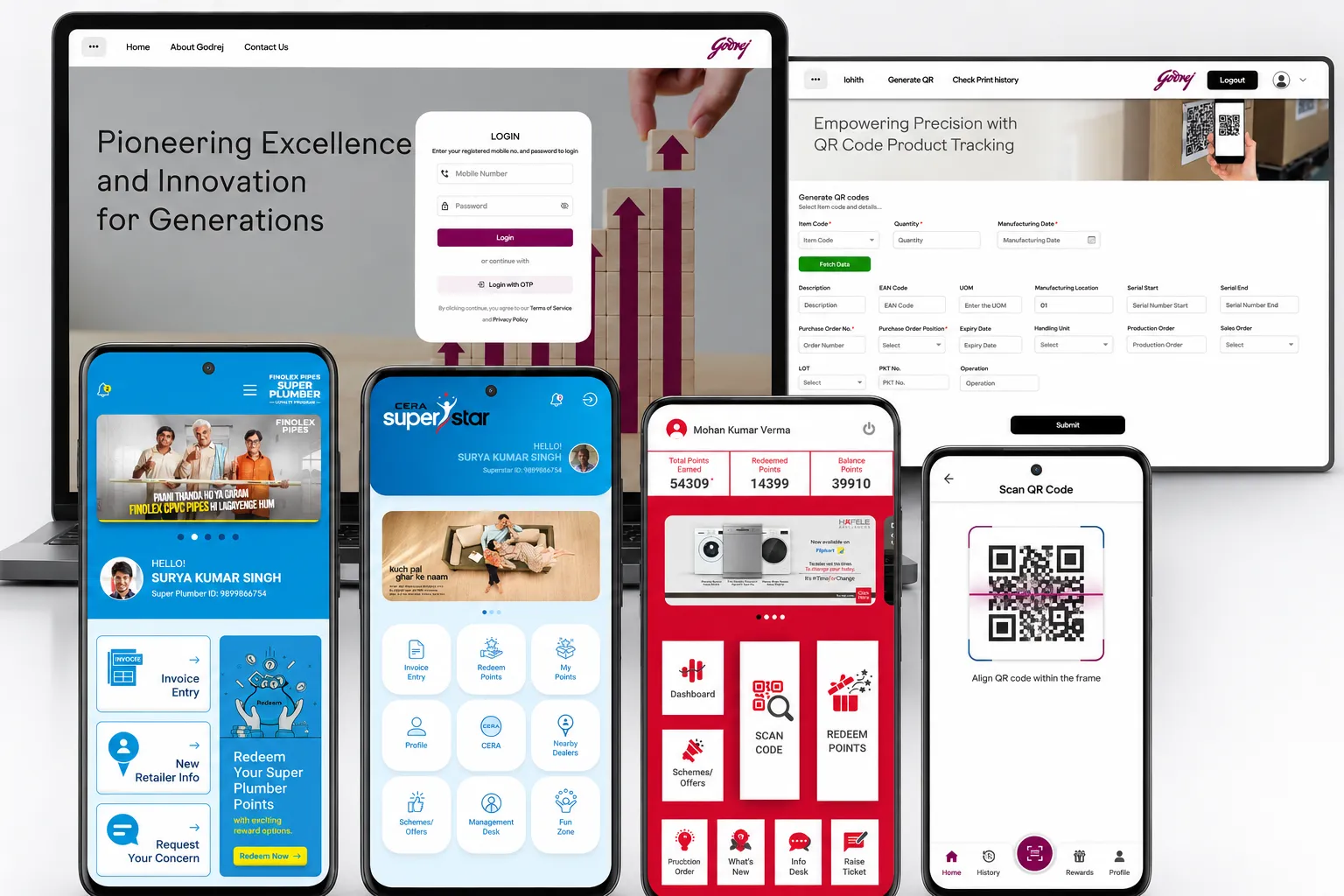

B2B customer loyalty programs are built on one of two foundational models: transactional, where loyalty is rewarded based on purchase volume and frequency, or relationship-based, where loyalty is built through a combination of commercial recognition, business development support, and personalized engagement. Understanding the differences between these models, and when each is most appropriate, determines whether a B2B customer loyalty program becomes a genuine commercial asset or a cost line with limited measurable impact.
Transactional B2B Loyalty Programs
Transactional B2B customer loyalty programs reward customers for purchase behavior: volume rebates, milestone bonuses, tiered discount structures, and points systems that convert spend into redeemable value. Their design logic is straightforward: increase the financial return on purchases made from this supplier relative to alternatives, and customers will concentrate more of their spend with this supplier. The strength of transactional programs is their legibility: customers can calculate the financial benefit clearly, and the program operator can measure ROI directly by comparing loyalty-driven revenue against program cost.
The limitation of transactional B2B customer loyalty programs is that they are easy to replicate and compete against on a purely financial basis. A competitor who offers a more generous rebate structure can erode the loyalty advantage of a transactional program relatively quickly, because the customer's attachment is to the financial benefit rather than to the supplier relationship. Transactional programs are particularly vulnerable in commodity or near-commodity categories where multiple suppliers offer comparable products.
Relationship B2B Loyalty Programs
Relationship-based B2B customer loyalty programs build loyalty through commercial, educational, and recognition elements that go beyond the financial: dedicated account management, priority access to new products or capacity, co-marketing support, training and certification for the customer's sales and technical teams, exclusive event access, and recognition programs that acknowledge the customer's status within the supplier's community. The design logic is to make the supplier relationship itself a commercial asset that the customer would lose by switching.
According to Bain & Company B2B Customer Loyalty Research, B2B customers enrolled in relationship-based loyalty programs have 30 percent lower churn rates, 25 percent higher share of wallet, and generate 4.5 times higher lifetime value compared to transactional-only program participants. The superior commercial outcomes of relationship programs are achieved because the relationship elements create switching costs that are not purely financial: a customer who has co-invested in training through a supplier's program, whose team holds the supplier's certifications, and whose leadership team participates in the supplier's advisory community faces a complex transition if they move their business to a competitor.
When to Use Which Model
Use a transactional B2B customer loyalty program model when: the product or service is relatively commoditized and financial incentives are the primary differentiator; the customer base is large and varied enough that personalized relationship investment is not practical for all segments; and the program needs to be scalable across a large partner network without heavy account management. Use a relationship-based model when: the product or service involves complex decisions where the supplier's expertise and support affect customer outcomes; the customer base includes a tier of high-value accounts where investment in the relationship delivers disproportionate commercial return; and the supplier's competitive advantage is in expertise and service quality rather than price. In practice, the most effective B2B customer loyalty programs combine both: a transactional baseline that rewards purchase behavior with a relationship layer reserved for the highest-value customer tier.
Implementation Considerations
The practical challenge in implementing a B2B customer loyalty program with both elements is defining the transition criteria from transactional to relationship engagement. The customer segments that justify relationship-level investment are typically those in the top 20 percent of revenue contribution or strategic account importance. Applying relationship investment uniformly across all customer tiers dilutes the quality of the relationship engagement and creates a cost structure that is difficult to sustain.

























Sign in to leave a comment.