


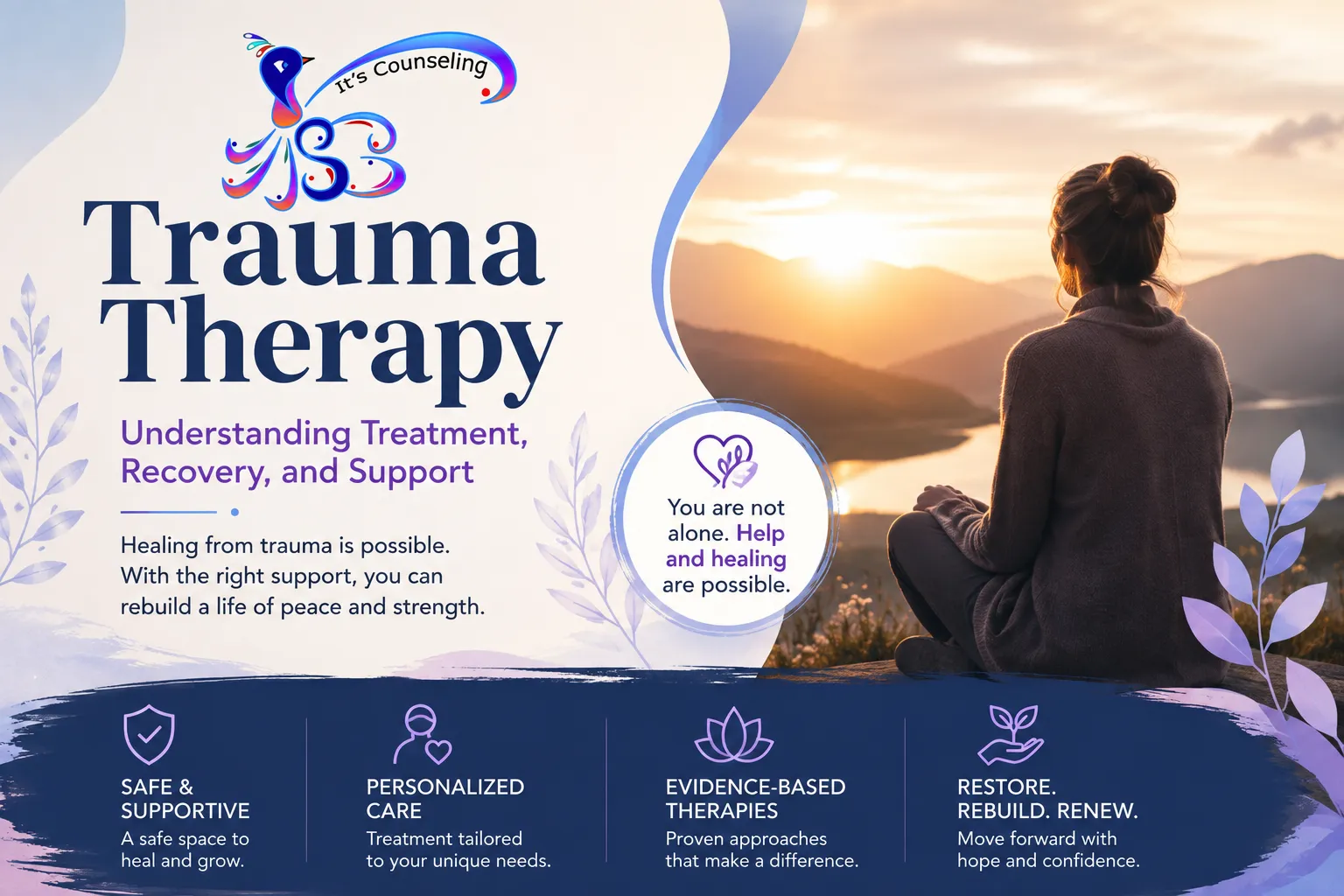
Trauma-informed therapy is a mental health care approach that focuses on the role trauma plays in an individual's emotions, behaviors, relationships, physical reactions, and sense of safety. Instead of working to eliminate a client's disturbing behaviors or thoughts through the assumption that they are merely symptoms, the therapist takes the person's experiences and circumstances into account.
SAMHSA defines trauma-informed care as having an awareness of how trauma affects the people who have experienced it and responding by integrating knowledge of common symptoms and triggers, avoiding re-traumatization, and applying principled professional practices. These principles include safety, trust, collaboration, empowerment, voice, and choice.
It is important to note that trauma-informed therapy is not a specific theory or practice. It is a set of guidelines that the therapist can use to work with clients in an empowering manner that takes their autonomy, restrictions, history, and pace into account.
How Can Trauma Influence Mental Health?
Trauma can affect people differently depending on an individual's history and the nature of the distressing event. Individuals can display a variety of symptoms following trauma, ranging from mild to severe, and not everyone is permanently affected. However, some common mental and physical reactions to trauma may include:
1. intrusive or unwanted thoughts
2. flashbacks, nightmares, or memories
3. avoidance of people, places, or things that remind one of the event
4. increased fear or anxiety
5. feeling always on guard or alert
6. emotional numbness or detachment
7. irritability or anger
8. sleep difficulties
9. trust and intimacy issues
10. changes in relationships or social patterns
Similar symptoms can be associated with other conditions, such as anxiety, depression, grief, sleeping disorders, and others. It is therefore not possible to diagnose or determine the causes of one's mental health struggles on your own. Speaking with an experienced mental health professional can help clarify if trauma-informed therapy or other types of support are needed.
Trauma-Informed Therapy vs. Trauma-Focused Therapy: Are They Different?
While the terms trauma-informed and trauma-focused therapies can be used interchangeably, they generally refer to different approaches. A trauma-informed practice has a set of guiding principles that help the therapist in providing services. The therapist recognizes that the client may have experienced trauma, understands potential triggers, and works to avoid them. They dedicate time and effort to developing a collaborative and empowering relationship with the client, incorporating their goals, choices, values, and pace.
On the other hand, trauma-focused therapy refers specifically to treatment methods that explicitly involve returning to the traumatic memories and thoughts. They are generally used in cases when the client wishes to process what has happened and when it is safe and effective to do so. Some common examples may include prolonged exposure, cognitive processing therapy, cognitive behavioral therapy, and EMDR (eye movement desensitization and reprocessing). Thus, a trauma-informed therapist can work with you to determine if trauma-focused treatment is right for you.
What Does Trauma-Informed Therapy Involve?
The exact course of treatment will depend on your specific needs and those of your therapist. In general, most people can expect to spend time establishing a comfortable and safe environment for healing. The first several sessions may be dedicated to discussing your symptoms, triggers, goals, and treatment options. Your therapist should be willing to answer your questions and explain the details of the process in an accessible manner. You can ask them about the following:
What steps are involved in trauma-informed therapy?
What kind of training did the therapist receive in working with trauma?
How to prevent or minimize distress during treatment?
What are the options for processing the traumatic memories?
What should one do if a specific approach is ineffective or distressing?
How will the progress be measured?
The above questions can be used as a guide, but each person should express their own concerns and clarify whether a specific therapist is a good fit.
Does Trauma Therapy Always Involve Discussing the Event?
Not necessarily. While some people wish to avoid thinking about what has happened to them and move on with their lives, others greatly benefit from being able to process the event and integrate it into their biography. Processing the event is only one part of trauma-informed therapy. For some people, it can be appropriate to immediately begin exploring distressing memories. Others may need more time or a different approach to establish stability and coping mechanisms. You and your therapist can collaboratively determine if and when it is appropriate to discuss the event based on your needs and circumstances.
For a more in-depth review of the subject, please see this article about trauma-informed therapy and the path to healing from PS IT’s Counseling.
How Long Does Trauma-Informed Therapy Last?
The duration of treatment can vary greatly depending on your needs and goals. Some people may only need to meet once or twice to discuss an issue, while others may wish to continue for months or longer. There is also no standard or minimum number of sessions that everyone should consider. Healing from trauma is unique in every individual. The presence of additional problems, personal circumstances, and the choice of treatment methods can also influence the process. It can be helpful to speak with an experienced mental health professional about your concerns and desired outcomes for treatment.
Practical Strategies for Working on Healing Outside of Therapy
Mental health and healing are highly individual processes, and everyone will find that different activities help them cope with distress. However, some common strategies may include getting enough sleep, staying connected to supportive people, using grounding techniques, engaging in regular routines, avoiding ineffective coping mechanisms, and participating in restorative activities.
It can also be helpful to be aware that some techniques or behaviors may exacerbate distress instead of reducing it. If something is consistently unhealthy or negatively impacts your emotional wellbeing, it is important to speak with a therapist about how to handle this. They can collaboratively work with you on finding healthier strategies that will genuinely support your healing.
When Should I Speak With a Professional About Trauma?
Most people will find that trauma-informed therapy helps them significantly, but it is impossible to predict with certainty how one will react to treatment. Speaking with a professional is generally recommended if distressing symptoms impact your daily life, cause difficulties at school or work, interfere with relationships, prevent restful sleep, involve severe avoidance, or are otherwise disruptive. If you or someone you know is in immediate danger, it is important to contact emergency services.
In the United States, individuals can call or text 988 to the Suicide & Crisis Lifeline . This free and confidential service offers support 24 hours a day, 7 days a week. It can also connect you to local crisis services if needed.
Conclusion
In summary, trauma-informed therapy is multifaceted and involves multiple components in the healing process. There are various effective treatments that can be used depending on the individual's needs, history, and goals for treatment. Some people can greatly benefit from trauma-focused therapies, while others may need to focus on stabilizing their current life situation, improving coping mechanisms, or developing healthier social patterns first. If you wish to learn more about what trauma-informed therapy involves, PS IT’s Counseling's resource on trauma-informed care and the path to healing further elaborates on the subject.
FAQs
1. What is trauma-informed therapy?
Trauma-informed therapy is a counseling approach that takes trauma into account when working with clients. In essence, it is a set of guiding principles that help the therapist avoid triggers and re-traumatization and establish a collaborative and empowering relationship with the client.
2. What are the signs of unresolved trauma?
The signs of unresolved trauma can vary significantly between individuals, but some common symptoms may include intrusive thoughts, flashbacks or nightmares, avoidance of certain people, places, or things, feelings of fear or being on guard, emotional numbness, anxiety, sleep difficulties, irritability, and trust or intimacy issues.
3. Is trauma-informed therapy the same thing as PTSD therapy?
It is not. Trauma-informed care is an overarching principle that guides the therapist in working with people who have experienced trauma. PTSD treatment, on the other hand, is a specific set of clinical interventions used in cases when the client meets the diagnostic criteria for post-traumatic stress disorder.
4. Can trauma-informed therapy help with anxiety and depression?
It can, if the person's symptoms are a result of unresolved trauma. However, it is not always the case that anxiety, depression, or other mental health struggles stem from a single traumatic event or series of events. It is important to consult with an experienced mental health professional about your concerns.
5. Which type of therapy is best for trauma?
There are several effective trauma-focused treatments developed by clinicians and researchers to help individuals with PTSD and complex trauma. The choice of treatment will depend on your specific needs and circumstances, as well as your preferred modality and the availability of services in your area.
6. Do I have to discuss my trauma in the first therapy session?
No, you do not. Each person deserves to take their time and pace themselves without being pressured to disclose more than they are comfortable with. Your therapist should work collaboratively with you to set the goals for the first session.
7. How long does trauma therapy typically last?
There is no standard or minimum number of sessions that everyone should consider. Healing from trauma is a highly individual process that depends on several factors.
8. How do I find a trauma-informed therapist?
The best way to find a trauma-informed therapist is to look for licensed mental health professionals who have received appropriate training and education in trauma-informed care. You can ask them about their experience, approach to treating traumatized individuals, and whether they are a good fit for your specific needs.
9. Can online trauma therapy be helpful?
Telehealth can be a convenient and accessible option for many people, but it has its advantages and limitations. Some of the most important factors to consider are the privacy and security of the platform, the therapist's jurisdiction, crisis management procedures, and whether this method will be beneficial for your specific case. Telehealth services are currently available at PS IT’s Counseling and can be a good option for some people. The company offers several different approaches to trauma-informed therapy for clients who wish to connect online with their therapist.
10. Is it possible to heal from trauma?
For many people, it is possible to begin the healing process from trauma with the right support and interventions. However, everyone's journey is different, and healing from trauma is also a highly subjective experience. Some people may find that they have successfully integrated the challenging experience into their biography and wish to move on with their lives. Others may continue to struggle with triggers, emotions, memories, and thoughts associated with the event.
























Sign in to leave a comment.