
From heritage gums that tower over period homes to the ornamental maples lining inner-city streets, trees give Melbourne’s suburbs their distinctive character. Yet, like any living asset on your property, trees need regular attention to stay healthy and safe—especially when unpredictable weather and strict council bylaws come into play. Below, we unpack the routine tasks every homeowner can manage, the warning signs you should never ignore, and where professional tree lopping fits into a responsible maintenance plan.
Why Ongoing Tree Maintenance Matters in Melbourne
Melbourne’s climate delivers scorching summers, sudden windstorms and periods of heavy rain. These swings can stress even the hardiest species, causing deadwood, overextended limbs or disease to develop out of sight. Left unattended, weakened branches can drop without warning, risking injury, roof damage and costly insurance claims.
Regular inspections and remedial work extend a tree’s lifespan, maintain canopy balance, and help meet local council safety requirements. Most importantly, proactive care protects the urban tree canopy we all enjoy. When maintenance tasks move beyond light pruning or you are unsure how to tackle the job safely, engaging expert tree lopping team in Melbourne ensures work complies with Australian Standards and local regulations.
Key Signs Your Tree Needs Professional Attention
- Visible Deadwood or Hollow Limbs
Dead branches become brittle and break easily during high winds. Hollows may harbour pests, accelerate rot, or signal structural weakness lower down the trunk.
- Cracks at Major Unions
Splits where large branches meet the trunk can spread quickly. Professional bracing or selective lopping may be required to prevent catastrophic failure.
- Sudden Leaning or Uplifted Roots
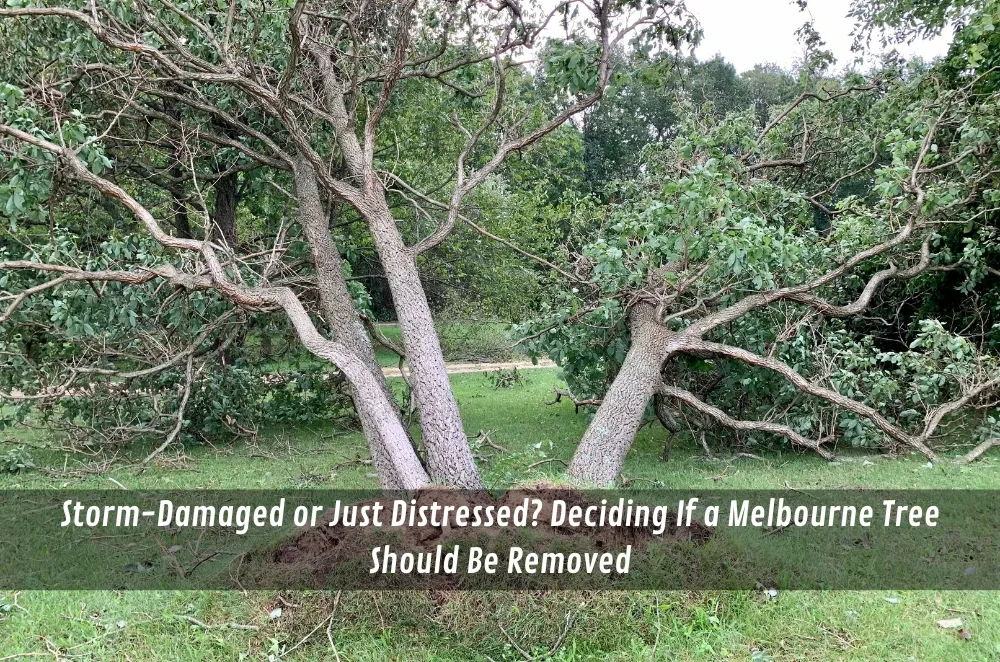
Significant shifts after storms indicate root plate instability—posing a fall hazard that often calls for removal or heavy reduction.
- Persistent Fungal Growth
Conks, mushrooms or oozing sap suggest internal decay. While some fungi are harmless, others compromise structural integrity. An arborist can identify which is which.
- Overhead Power-Line Encroachment
Victorian power distributors maintain clearances on main lines, but service drops to your house are usually the owner’s responsibility. Specialised equipment and permits are essential when working near live electricity.
Safe DIY Tasks Versus Jobs Best Left to the Pros
Everyday gardening confidence doesn’t always translate to safe tree work. Use the following guide to decide what you can manage and when to pick up the phone.
| Task | DIY Friendly? | Notes |
| Clearing small (<2 cm) dead twigs with a pole pruner | Yes, with PPE | Stay on the ground; maintain 3-metre distance from power lines |
| Raking leaf litter and mulch management | Yes | Prevents fungal spores and protects root zone |
| Minor formative pruning on young trees | Sometimes | Only if you understand correct cut placement |
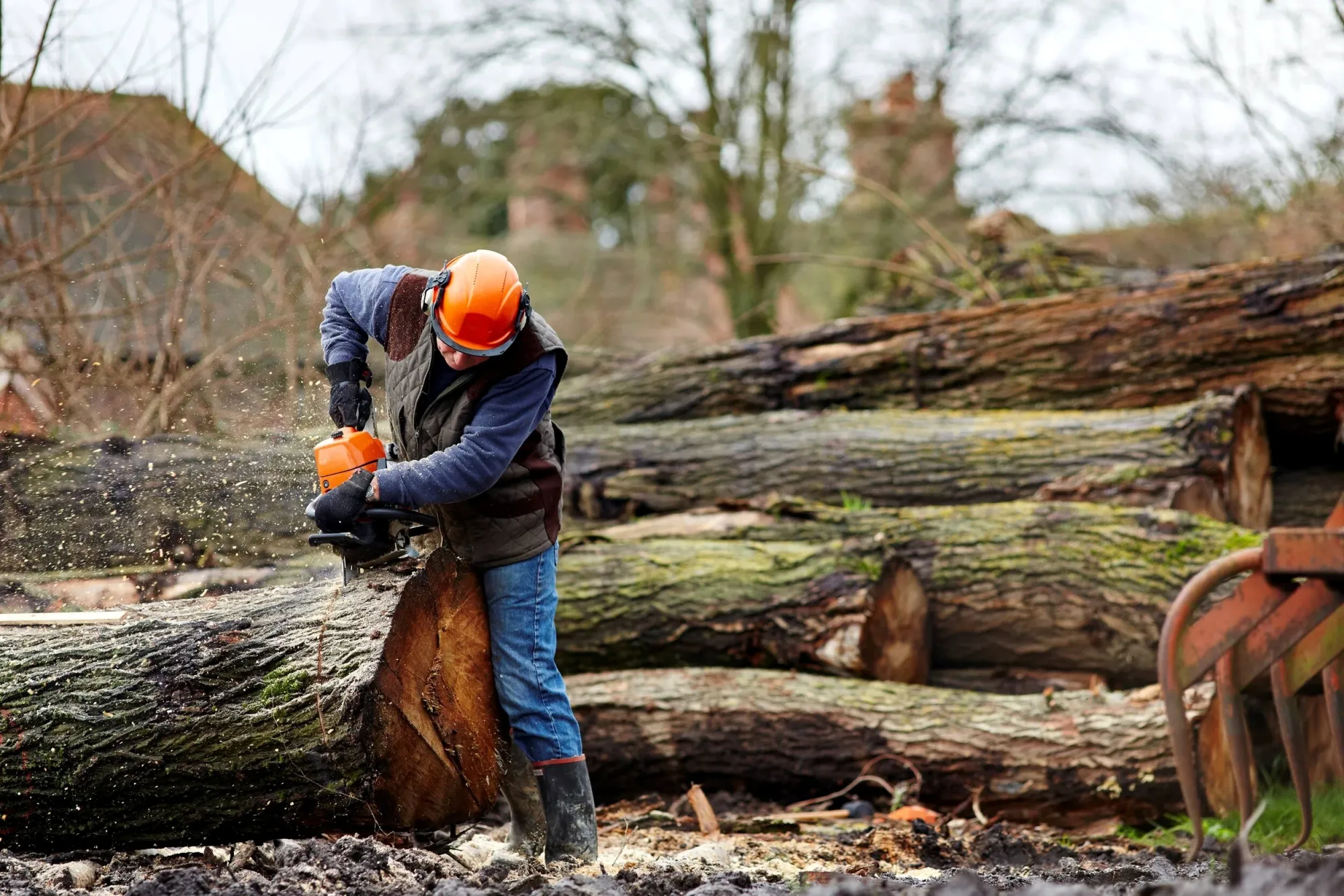
| Removing mid-size limbs, any work off a ladder, or using a chainsaw above shoulder height | No | High injury risk, requires specialised rigging |
| Assessing storm-damaged trees or potential root issues | No | Hidden hazards, structural evaluation needed |
Seasonal Tree-Care Checklist for Melbourne Gardens
Following a seasonal rhythm helps you stay ahead of problems.
Late Summer–Autumn
• Assess for heat-stress dieback after hot spells.
• Remove fruiting bodies from deciduous species to deter pests.
• Lightly thin dense canopies before winter winds arrive.
Winter
• Prime season for major pruning or lopping while trees are dormant.
• Check for broken limbs after storms.
• Mulch root zones to retain moisture and insulate against cold snaps.
Spring
• Inspect new growth for caterpillars and scale insects.
• Apply slow-release fertiliser if soil tests indicate nutrient gaps.
• Confirm branch clearances around gutters before peak rain.
Early Summer
• Monitor soil moisture—deep water during extended dry spells.
• Watch for sunburn on previously shaded bark after heavy pruning.
• Schedule pre-holiday limb checks if you’ll be away during storm season.
Navigating Council Permits and Australian Standards
Many Victorian municipalities protect significant or “registered” trees, meaning pruning volumes and removal require council consent. Fines for unauthorised work can exceed the cost of hiring an arborist. Certified professionals understand local overlays, can prepare arborist reports, and will complete works to AS 4373—minimising liability for homeowners. Always request a copy of public-liability insurance before authorising work.
Choosing the Right Arborist for Your Property
Not all tree contractors offer the same expertise. Consider these factors:
• Qualifications – Look for a minimum Certificate III in Arboriculture for crew leaders.
• Equipment – Cranes, elevated work platforms and stump grinders indicate capacity for complex jobs.
• Waste Recycling – Responsible operators chip debris for mulch or composted green waste, reducing landfill.
• Transparent Quoting – Written scope of works, fixed pricing and timeline clarity show professionalism.
• Community Reputation – Local reviews and repeat clients suggest consistent, quality service.
By weighing these points, you’ll find a provider who prioritises the health of your trees and the safety of your property.
When to Plan Major Works
Major canopy reductions or removals can temporarily change shade patterns and neighbour sightlines, so it’s wise to schedule them:
• Outside nesting seasons for local birdlife (generally June–August).
• Well before building projects to avoid clashes with other trades.
• During dry ground conditions so heavy machinery doesn’t rut lawns.
Early planning also leaves time for permit approvals and arranging traffic management if needed.
Final Thoughts
Healthy trees add curb appeal, cut energy bills by shading roofs, and support native wildlife corridors throughout Melbourne’s suburbs. With routine checks, a seasonal action plan, and support from a professional tree maintenance service when jobs move beyond safe DIY, you’ll protect these living assets for decades to come.
FAQs
How often should I have my trees professionally inspected?
Most mature trees benefit from a detailed arborist inspection every 12–24 months, or immediately after severe storms.
Is tree lopping harmful to trees?
When performed correctly by a qualified arborist under Australian Standards, lopping (more accurately called “reduction” or “pruning”) manages risk while maintaining long-term health. Improper topping cuts done by untrained operators can permanently damage a tree.
Do I need council approval to remove a tree on my property?
Many Melbourne councils protect trees based on trunk diameter, species or heritage status. Check your local planning overlay or consult an arborist who can lodge the permit on your behalf.
























Sign in to leave a comment.