
Assessing the Risks Before Removing a Tree
Removing a tree may appear straightforward when viewed from the ground, but the process can involve significant risks. Tree size, surrounding structures, overhead powerlines, unstable branches and ground conditions can all affect how safely the work can be completed. Making the wrong decision during removal can result in property damage, serious injury or additional costs.
For homeowners considering a tree removal service Sydney, understanding the difference between professional assistance and DIY removal is important. While removing a small tree may seem manageable, larger or structurally compromised trees often require specialist equipment, experience and careful planning to avoid unnecessary risks.
When DIY Tree Removal May Be Considered
DIY removal may be suitable for very small trees, young saplings or minor plants that can be removed without climbing, heavy cutting equipment or complicated handling. Even in these situations, homeowners should assess the tree and its surroundings before beginning the work.
The location of the tree is one of the first considerations. A tree positioned well away from homes, sheds, fences, vehicles and electrical infrastructure presents fewer hazards than one growing close to property or public areas. The condition of the trunk and branches should also be checked for signs of decay, cracks or instability.
Having suitable tools is another consideration. Basic gardening equipment may be enough for small plants, but larger trees may require chainsaws, ropes, ladders and specialised protective equipment. Using unfamiliar machinery without appropriate training can increase the chance of accidents.
Situations That Increase DIY Risks
The level of risk increases when the tree is large, leaning, damaged or located near structures. Trees with dead branches can behave unpredictably during cutting, while a leaning trunk may fall in an unexpected direction. Wet ground and strong winds can also make the removal process more difficult.
Working at height presents another major concern. Climbing a tree or using a ladder while operating cutting equipment requires balance, coordination and experience. A simple mistake can have serious consequences, particularly when heavy branches fall towards people or property.
Why Professional Tree Removal Can Be Safer
Professional arborists are trained to assess tree structure and determine how it can be removed safely. They consider the tree's height, weight distribution, condition and surrounding environment before deciding on an appropriate removal method.
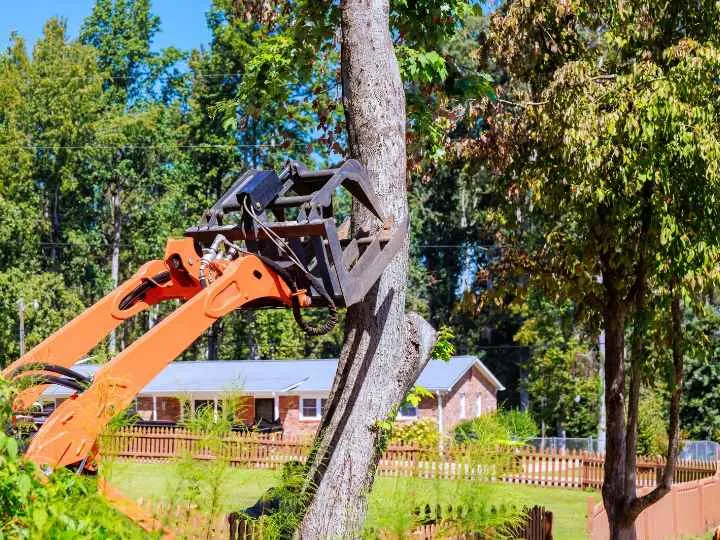
A professional tree removal service Sydney can also use specialist equipment designed for controlled cutting and lowering of branches. Depending on the situation, equipment such as ropes, harnesses, elevated work platforms and chippers may be used to improve safety and efficiency.
Professional Risk Assessment
Before removal begins, experienced professionals can identify potential hazards that may not be obvious to an untrained homeowner. These may include hidden decay, weak branches, restricted access, underground services and nearby electrical lines.
The removal process can then be planned around these factors. Branches may be cut into manageable sections and lowered carefully rather than allowed to fall freely. This controlled approach can help protect surrounding structures and reduce the likelihood of unexpected damage.
Comparing Costs and Long Term Value
DIY removal may appear cheaper because there is no professional service fee. However, homeowners may still need to purchase or hire specialised equipment, safety gear and waste disposal services. If something goes wrong, repair costs can quickly exceed the original saving.
Professional removal involves an upfront cost, but the service often includes equipment, labour, debris handling and structured removal procedures. The overall value depends on the size and complexity of the tree as well as the level of risk involved.
Property Damage and Repair Expenses
A falling branch or trunk can damage roofs, fences, driveways, gardens, vehicles and other structures. Repairs may be expensive, particularly when a large tree is located close to a building. Professional planning can help minimise these risks through controlled cutting and careful branch placement.
Tree Removal and Site Clean Up
Tree removal does not always end when the trunk is cut down. Branches, leaves, timber and wood chips can leave a substantial amount of waste across the property.
Professional teams commonly have equipment for processing and removing this material. They can also leave the work area organised and easier to use after the removal process. Homeowners handling a large tree themselves may need to arrange separate green waste disposal or hire additional equipment.
Stump Removal Considerations
The remaining stump can create another challenge. A stump left in the ground may interfere with landscaping, attract pests or become a tripping hazard. Removing a stump can require specialised grinding equipment, especially when the stump is large or deeply rooted.
Making the Right Choice for Your Property
The decision between DIY removal and professional assistance should depend on the size, condition and location of the tree. Homeowners should carefully consider whether they have the skills, equipment and safety knowledge required for the job.
For small and uncomplicated vegetation, DIY work may be manageable with appropriate precautions. Larger trees, difficult locations and hazardous conditions require greater care and professional expertise. A qualified tree removal team can assess the specific circumstances and use suitable methods to manage the work safely.
Frequently Asked Questions
Is DIY tree removal safe for a large tree?
Large tree removal can involve significant risks because branches and trunks are heavy and difficult to control. Professional assessment and specialised equipment are generally required for complex removal work.
How much does professional tree removal cost?
The cost can vary depending on tree height, trunk size, location, accessibility, condition and disposal requirements. A site assessment is usually needed to determine the appropriate price.
Can I remove a tree near powerlines myself?
Trees located close to powerlines can create serious electrical hazards. This type of work should be assessed and handled by appropriately qualified professionals rather than attempted as a DIY project.
What happens to the tree after removal?
Branches and timber may be cut into smaller sections, processed into wood chips or removed from the property. Stump grinding or additional site clean up may also be arranged depending on the service.



















Sign in to leave a comment.