

A journey does not have to begin with a two-week itinerary, a long list of destinations, or a tightly packed schedule. For many travelers, the better starting point is a single experience: a historic site, a cultural district, a mountain landscape, or a carefully planned day outside the capital. From there, the journey can grow according to available time, interests, transportation, and current conditions.
For travelers considering Trips to Afghanistan, this approach offers an important advantage: flexibility. Instead of deciding every destination months in advance, visitors can build an itinerary around what they actually want to experience.
The result can be a focused one-day outing, a several-day cultural journey, or a longer route combining Afghanistan's major historical and geographical regions.
Why Can a Short Itinerary Be Useful for First-Time Visitors?
A short itinerary allows first-time visitors to understand the practical rhythm of traveling in Afghanistan before committing to a longer route. It provides an opportunity to experience a particular place or theme without creating unnecessary logistical complexity. This can be especially useful when travel conditions, permissions, road access, or personal priorities may influence later decisions.
A one-day experience can answer several practical questions:
- How comfortable are you with the pace of local travel?
- How much time do road journeys actually require?
- Which aspects of Afghanistan interest you most?
- Do you prefer history, architecture, landscapes, photography, food, or cultural encounters?
- Would you rather travel slowly through one region or cover several destinations?
This is why shorter Day Tours in Afghanistan can work as more than standalone excursions. They can function as an introduction to the country and as a way to discover what kind of longer journey makes sense.
For example, a traveler particularly interested in architecture might find that historical sites are more rewarding than attempting to visit every major city. A photographer may prefer spending additional time in one landscape rather than checking several destinations off a list.
The principle is simple: experience quality often matters more than destination count.
What Can You Realistically Experience in One Day?
A well-designed day tour can provide a meaningful introduction to a specific area, but it should focus on a manageable geographic zone rather than attempting to cross large distances simply to collect destinations. The most realistic day itineraries combine nearby sights, reasonable driving times, planned stops, and enough time to actually experience each location.
Depending on the starting point and current accessibility, a day might focus on:
- Historic monuments and archaeological sites
- Local markets and traditional neighborhoods
- Museums and cultural landmarks
- Mountain or valley landscapes
- Religious and architectural heritage
- Photography-oriented locations
- Short scenic drives
- A particular cultural theme
The key is to distinguish seeing a place from experiencing it.
A schedule that lists six attractions may look impressive on paper but become exhausting once driving, traffic, security considerations, meal breaks, permissions, and unexpected delays are included.
A better day-tour structure might involve one principal destination supported by two or three nearby experiences.
A practical example
Imagine a traveler interested primarily in Afghan history and architecture. Instead of attempting an ambitious route covering several provinces in one day, the itinerary could concentrate on a particular historical area, allowing time for photography, observation, conversation, and context.
That approach produces a richer travel experience and leaves room for the unexpected—which is often where memorable journeys begin.
How Can a Day Tour Become Part of a Longer Journey?
A day tour can serve as the first building block of a longer itinerary. After experiencing one location or theme, travelers can add destinations that complement their interests rather than following a predetermined checklist. This creates a modular journey in which each additional day has a clear purpose and fits the traveler's available time and priorities.
A longer itinerary might develop progressively:
Day 1: Focused city or cultural experience
↓
Days 2–3: Nearby historical or natural attractions
↓
Days 4–6: Regional exploration
↓
One week or more: Multi-region cultural, historical, photographic, or adventure journey
This model works particularly well for travelers who are unsure how much time they want to allocate to different parts of Afghanistan.
Someone fascinated by mountain landscapes might extend a city-based introduction toward Bamyan and Band-e-Amir. A traveler interested in Islamic architecture and regional history might prioritize destinations such as Mazar-i-Sharif, Balkh, or Herat. A documentary filmmaker may require a completely different schedule because location scouting, interviews, permits, and repeated visits can take considerably longer than conventional sightseeing.
The itinerary therefore becomes purpose-led rather than destination-led.
Why Does Transportation Planning Matter as Much as Sightseeing?
Transportation is one of the foundations of an Afghanistan itinerary because distances, road conditions, terrain, vehicle requirements, and unexpected changes can directly affect how much time is available for sightseeing. Choosing transportation only after destinations have been selected can create unnecessary complications; transport should be considered during itinerary design itself.
The right vehicle depends on several factors:
| Travel requirement | Typical consideration |
|---|---|
| Urban sightseeing | Comfortable city vehicle and experienced driver |
| Regional road travel | Vehicle suited to road and terrain conditions |
| Remote destinations | Appropriate 4WD and logistical preparation |
| High-responsibility travel | Additional security and operational planning |
| Photography or filming | Flexible schedule and equipment capacity |
| Multi-day journeys | Vehicle suitability, maintenance and support |
| Changing plans | Dispatch and transportation flexibility |
A vehicle is not simply a way to move between points on a map. It can influence departure times, route choices, luggage capacity, passenger comfort, accessibility, and the ability to adapt when circumstances change.
For longer or more specialized journeys, B6 Armored & Soft Skin Vehicle Rental can provide different transportation arrangements depending on the operational requirements of the traveler or organization.
The important distinction is that vehicle selection should follow the journey's requirements—not the other way around.
When Might Travelers Need Different Vehicle Arrangements?
Different travelers can have completely different transportation requirements even when they visit the same destination. A leisure traveler carrying a small day bag may have very different needs from a documentary crew carrying cameras, tripods, lighting equipment, and additional luggage. Likewise, organizational or high-responsibility travel may require transportation with additional security considerations.
Consider these scenarios:
The cultural traveler
A comfortable vehicle with an experienced local driver may be sufficient for a primarily urban and regional itinerary.
The photographer
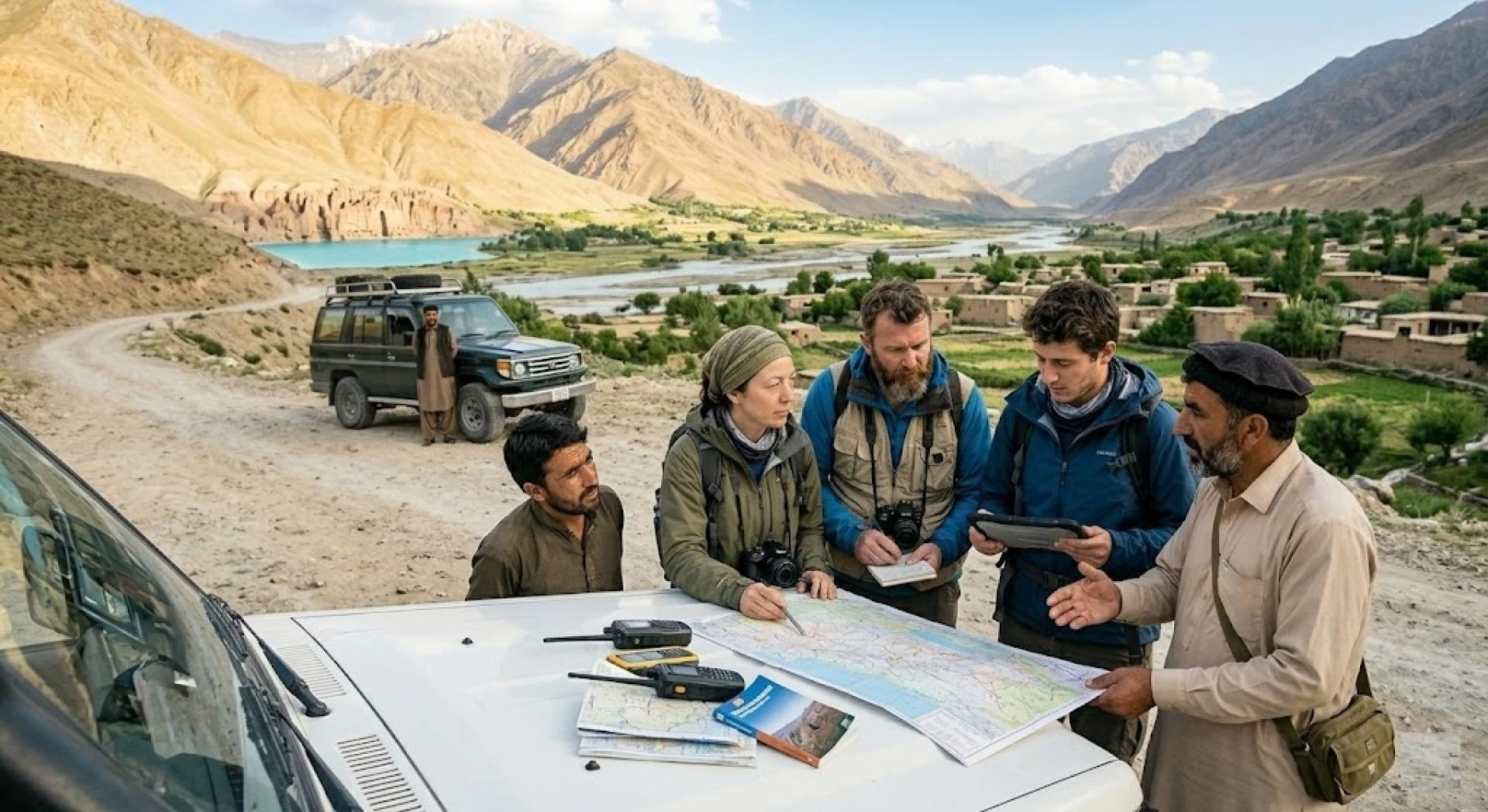
A photographer may value flexible departure times, additional luggage capacity, and the ability to stop safely at appropriate locations for changing light or viewpoints.
The documentary filmmaker
A production team may require additional space, equipment planning, multiple vehicles, location coordination, and more time at individual sites.
The organizational traveler
Organizations may have additional requirements concerning vehicle specifications, communications, scheduling, personnel movement, and contingency planning.
This is why there is no universally "best" vehicle for Afghanistan travel. The appropriate choice depends on the route, purpose, group size, equipment, terrain, and current operational considerations.
How Does Flexible Transportation Help When Plans Change?
Flexible transportation allows an itinerary to respond to real-world conditions rather than forcing travelers to follow a schedule that no longer makes sense. Delays, weather, road conditions, changes in access, extended visits, or personal fatigue can all affect the original plan. A responsive transport arrangement makes it easier to modify routes, departure times, vehicles, or destinations.
This matters particularly during multi-day travel.
Suppose a traveler spends longer than expected photographing a historical location. A rigid transportation arrangement may turn that extra hour into a problem for the rest of the itinerary. A flexible arrangement can instead adjust the day's schedule and preserve the overall journey.
Similarly, travelers may discover that they would rather spend another day exploring a particular area than immediately move to the next destination.
Good itinerary planning therefore includes time buffers and operational flexibility, rather than treating every hour as fixed.
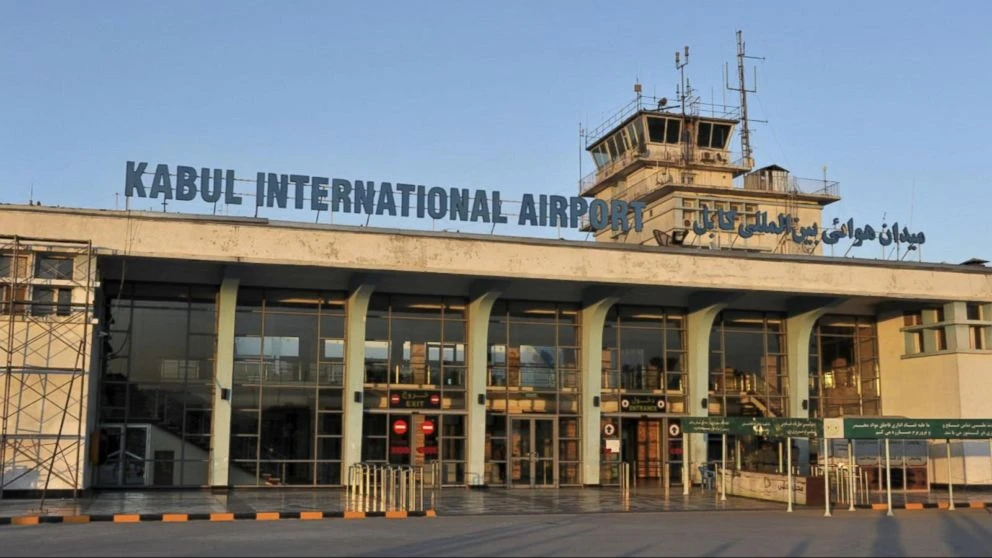
For travelers requiring continuous mobility support, 24/7 Taxi Services in Afghanistan can also be relevant for airport transfers, city movement, scheduled transportation, or changing travel requirements.
The objective is not to make every journey unpredictable. It is to make the itinerary resilient enough to handle normal travel uncertainty.
How Should You Build a Trip Around Purpose Instead of Destination Count?
The strongest itineraries begin by identifying what the traveler wants to understand, photograph, document, or experience, and only then selecting destinations that support that purpose. This reverses the common approach of collecting famous locations first and trying to fit personal interests around them.
Start with a question:
What do I actually want from this journey?
Your answer could be:
- Afghanistan's historical heritage
- Islamic architecture and sacred sites
- Mountain landscapes
- Documentary storytelling
- Photography
- Cultural observation
- Adventure and trekking
- Regional history
- Traditional communities and local life
- A broad introduction to the country
Then consider the practical constraints:
- How many days are available?
- Where will the journey begin and end?
- Which regions are appropriate for the current travel period?
- How much driving is acceptable each day?
- What transportation is required?
- Are permits, permissions, guides, or translators necessary?
- How much flexibility should be built into the schedule?
This method prevents a common mistake: confusing a long itinerary with a comprehensive one.
A carefully designed five-day journey can be more meaningful than a rushed twelve-day route if it gives travelers sufficient time to understand the places they visit.
What Are the Main Planning Differences Between Short and Long Trips?
The biggest difference is not simply the number of days; it is the amount of logistical coordination required. Short trips usually benefit from geographic focus, while longer journeys require greater attention to transportation, accommodation, route sequencing, contingency time, vehicle support, and changing conditions.
| Short journey | Longer journey |
|---|---|
| Focuses on one area or theme | May combine several regions |
| Fewer transportation changes | More complex vehicle planning |
| Easier to keep geographically compact | Requires careful route sequencing |
| Limited contingency requirements | Greater need for schedule flexibility |
| Usually fewer accommodation changes | Multiple lodging arrangements |
| Ideal for testing interests | Better for deeper regional exploration |
Neither format is inherently better.
The right format depends on the traveler's objective, available time, tolerance for road travel, budget, and current circumstances.
What Mistakes Should Travelers Avoid?
The most common planning mistakes are overloading the itinerary, underestimating travel time, treating transportation as an afterthought, and assuming that a published route will remain unchanged throughout the journey. A practical itinerary should leave room for local conditions and prioritize realistic movement over an impressive-looking list of destinations.
Avoid these common errors:
Trying to see everything: Afghanistan's geography and heritage cannot be meaningfully covered through a rushed checklist.
Ignoring travel time: A destination that appears close on a map may take substantially longer to reach depending on roads and conditions.
Using the same vehicle for every situation: Urban mobility, regional travel, remote routes, and high-responsibility movements can have different requirements.
Leaving no buffer: Unexpected delays are easier to manage when the itinerary has breathing room.
Planning only around landmarks: Cultural experiences often require time beyond the main attraction itself.
Treating conditions as static: Access, routes, local circumstances, and operational considerations can change. Current information should be checked before and during travel.
How Can Travelers Build a Practical Afghanistan Itinerary?
A practical itinerary should move from purpose to destination, then from destination to transportation, accommodation, timing, and contingency planning. Travelers should confirm current entry requirements, permissions, access conditions, transport arrangements, and local guidance before departure, then keep enough flexibility to adapt once the journey begins.
A useful planning sequence is:
- Define the purpose of the journey.
- Choose one or two priority experiences.
- Select destinations that support those interests.
- Estimate realistic driving and activity time.
- Choose appropriate transportation.
- Arrange accommodation and other essential logistics.
- Build contingency time into the schedule.
- Confirm current conditions before each major movement.
- Keep the itinerary flexible enough to adjust.
This approach works for both independent planning and professionally arranged journeys.
Afghan Logistics & Tours Pvt.Ltd, for example, can be considered by travelers looking for locally informed support across travel planning, transportation, guiding, logistics, and itinerary coordination. The value of local expertise is particularly relevant when a journey involves several regions or specialized requirements.
Is a Longer Trip Always Better?
No. A longer trip is worthwhile only when the additional time adds meaningful experiences rather than simply adding destinations. Travelers who prefer deeper cultural exploration, photography, trekking, research, or documentary work may benefit from more days, while others may find that a focused short itinerary provides exactly what they need.
For some visitors, one carefully planned day can provide a useful introduction.
For others, that first experience becomes the starting point for a much longer journey.
The important decision is not "How many places can I visit?"
It is "What do I want to understand or experience, and how much time does that require?"
That shift in thinking makes planning more realistic and often produces a more rewarding journey.
Frequently Asked Questions
Can I visit Afghanistan for only one day?
Yes, a one-day itinerary can be designed around a focused city, cultural, historical, or nearby experience, depending on current access and travel requirements. A short itinerary should avoid excessive driving and prioritize a small number of meaningful experiences rather than attempting to cover multiple distant destinations.
How many days are enough for a trip to Afghanistan?
There is no universal number. A few days can provide a focused introduction, while one to two weeks or longer may allow travelers to explore multiple regions. The ideal duration depends on interests, destinations, transportation, travel conditions, and how much time the traveler wants to spend at individual locations.
Are day tours useful for first-time visitors?
They can be particularly useful because they allow travelers to experience a specific area without immediately committing to a long itinerary. A focused day can also help visitors understand travel pace, transportation requirements, and personal interests before deciding whether to extend the journey.
Can I extend a one-day itinerary into a longer journey?
Yes. A day tour can act as the first component of a modular itinerary. Additional destinations can then be selected according to the traveler's interests, available time, transportation requirements, and current conditions. This approach can be more practical than designing an inflexible multi-week itinerary from the beginning.
What type of vehicle is suitable for Afghanistan travel?
The appropriate vehicle depends on the route, terrain, group size, luggage, equipment, security requirements, and travel purpose. Urban travel may require a different arrangement from remote regional journeys. Photographers, filmmakers, organizations, and larger groups may also have specialized transportation needs.
Why is transportation planning important?
Transportation determines how efficiently travelers can move between destinations and can affect comfort, timing, luggage capacity, route selection, and flexibility. In longer journeys, transportation should be considered alongside sightseeing rather than added after the itinerary has already been finalized.
Should I plan every day in advance?
It is useful to organize essential arrangements in advance, but leaving reasonable flexibility can be beneficial. Current access conditions, road situations, weather, personal preferences, and unexpected delays can affect schedules. A balanced itinerary combines advance planning with enough contingency time to make sensible adjustments.
Can photographers and filmmakers customize their itineraries?
Yes. Visual storytelling often requires more time at individual locations than conventional sightseeing. Photographers and filmmakers may need flexible schedules for lighting, equipment, interviews, location scouting, repeated visits, and transportation. Their itinerary should therefore be built around the production objective rather than the number of destinations.
Is it better to visit many destinations or spend longer in fewer places?
For many travelers, spending more time in fewer places creates a deeper experience. It allows additional time for observation, photography, cultural context, and unexpected discoveries. A larger destination count can work for travelers with broader geographic goals, provided that travel times and logistics remain realistic.
What should I check before planning a trip to Afghanistan?
Check current entry and visa requirements, destination accessibility, permissions where applicable, transportation, accommodation, local conditions, insurance requirements, communication arrangements, and any relevant travel advisories. Conditions can change, so information should be reconfirmed close to departure and throughout the journey.
Building the Right Journey
The best trips do not necessarily begin with the longest itinerary. They begin with a clear purpose, a realistic understanding of time and distance, suitable transportation, and enough flexibility to respond to circumstances.
A one-day cultural experience can become a regional exploration. A photography outing can develop into a documentary-focused journey. A short introduction can reveal an interest in history, architecture, landscapes, or local life that deserves more time.
That is the real advantage of building a journey in stages: you are not simply adding days—you are adding meaning.
With thoughtful planning and locally informed support, travelers can create an itinerary that fits their interests rather than forcing their interests into a predetermined route. For those considering trips to Afghanistan, starting small and building intelligently can be one of the most practical ways to approach the journey.
Plan Your Afghanistan Journey
Afghan Logistics & Tours Pvt.Ltd ( ALT) - Tour Agency in Kabul, Afghanistan
House # 18, Street # 01, Ansari Square, Kabul 3201, Afghanistan
+93 78 266 7733


















Sign in to leave a comment.