
A collision involving a commercial truck can create challenges that extend well beyond the accident scene. Injured people may face medical appointments, vehicle repairs, missed work, and uncertainty about who should pay for their losses. Because commercial transportation can involve drivers, trucking companies, vehicle owners, and other businesses, understanding the available legal options is important. A truck accident attorney in New Mexico can help explain how an injury claim may work, what evidence could matter, and which steps may help protect an injured person's interests.
Why Truck Crashes Require a Closer Look
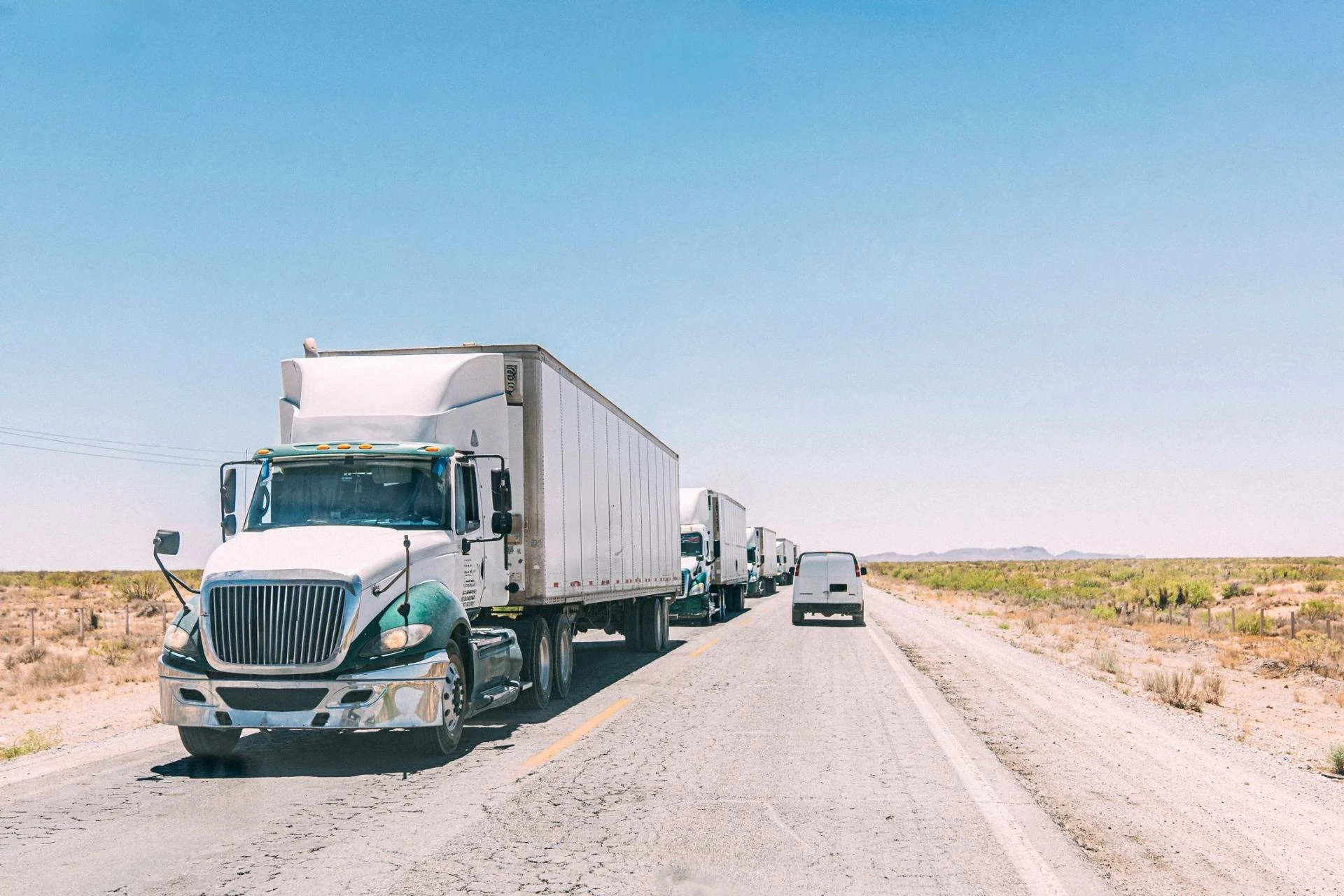
Commercial trucks are used to transport everything from groceries and building materials to agricultural products and industrial equipment. Their size, weight, and operating conditions can make collisions especially serious for people traveling in smaller vehicles.
However, the size of a truck alone does not establish who caused an accident. Investigators need to examine the circumstances surrounding the collision, including the actions of the drivers, the condition of the vehicles, and the conditions on the road.
Imagine a passenger vehicle slowing down because traffic has stopped ahead. If a commercial truck approaches from behind and cannot stop in time, several questions may arise. Was the truck traveling too fast for the traffic conditions? Was there enough following distance? Did a mechanical problem affect braking? Were visibility or roadway conditions contributing factors?
Answering these questions requires evidence rather than assumptions. The details of each collision help determine whether another person or business may be legally responsible.
Understanding the Different Causes of Truck Collisions
Truck accidents can happen for many reasons, and sometimes more than one factor contributes to the same event.
Driver behavior may be one area of concern. Distracted driving, unsafe turns, excessive speed, inadequate following distance, or failure to respond to changing traffic conditions can increase the risk of a crash. Fatigue may also affect concentration and reaction time.
Vehicle problems can create additional hazards. Worn tires, damaged brakes, steering difficulties, or faulty lighting may affect a commercial vehicle's ability to operate safely. Whether a mechanical issue contributed to a collision depends on the available evidence and the circumstances in which the problem developed.
Cargo handling is another factor worth considering. Heavy goods must be loaded and secured appropriately. If a load shifts during a turn or sudden stop, it can change the vehicle's balance and make it harder to control.
Weather and road conditions may also influence what happens. Rain, strong winds, reduced visibility, uneven pavement, construction areas, and unexpected obstacles can create dangerous situations, particularly when a large vehicle needs more room to stop or maneuver.
A careful investigation considers the complete situation instead of focusing on only one possible explanation.
What Information Can Help Explain the Accident?
Evidence helps investigators move from competing explanations toward a clearer understanding of the collision.
Photographs taken at the scene may show vehicle damage, debris, skid marks, road signs, traffic signals, and the position of the vehicles. Witnesses may remember how the vehicles were moving before impact or whether a driver appeared to make a sudden maneuver.
Police reports can provide useful information about the incident, although they may not answer every question about its cause. Additional information may be available from medical records, repair assessments, vehicle inspections, or commercial transportation documents.
Some commercial vehicles may also have electronic systems that record certain operating information. Depending on the vehicle and circumstances, this information may help establish details about vehicle movement or operation before the crash.
Think of evidence as pieces of a map. One piece may identify the location of the collision, while another may help explain the sequence of events. Considered together, these details can help build a more complete account of what happened.
Commercial Trucking Requirements in New Mexico
Commercial motor carriers operating in New Mexico are subject to applicable state transportation laws and regulations. The New Mexico Department of Transportation's Transportation Regulation Bureau oversees motor carrier regulation and enforcement, including inspections and investigations involving safety and compliance concerns. NMDOT also provides access to motor carrier rules and the Motor Carrier Act through its official transportation regulations resources. NMDOT Transportation Regulations.
These requirements can be relevant when investigating a truck collision. Depending on the circumstances, records concerning vehicle inspections, maintenance, driver qualifications, or commercial operating activities may help explain whether a safety concern contributed to the event.
For example, if a truck experienced a mechanical failure, investigators may examine whether required inspections and repairs were completed and whether earlier problems had been recorded.
Nevertheless, a possible regulatory violation does not automatically establish legal responsibility for an accident. The evidence must be evaluated to determine whether the conduct or condition was connected to the collision and the resulting harm.
Why Trucking Company Records May Be Relevant
An investigation may need to look beyond what happened during the final moments before impact.
Commercial transportation businesses may maintain records concerning vehicle maintenance, driver employment and qualifications, operating activities, and safety-related complaints. New Mexico's motor carrier rules address recordkeeping requirements, including certain equipment, repair, maintenance, and driver records. New Mexico Administrative Code, 18.3.7 NMAC.
Depending on the case, these records may help clarify whether a truck was properly maintained or whether a particular issue had been reported before the accident.
Suppose a vehicle develops a brake problem after several earlier inspections identified concerns. Those earlier records may be relevant to understanding whether the problem was unexpected or whether further attention may have been necessary.
The same principle applies to driver-related questions. Records may provide information about training, qualifications, or other matters relevant to the driver's role.
Not every record will prove wrongdoing, and not every trucking company will be responsible for a driver's actions. The significance of the information depends on the facts, the applicable rules, and the connection between the evidence and the crash.
How Truck Accident Injuries Can Affect a Family
The consequences of a serious truck collision may continue for months or longer, depending on the injuries involved.
Some people recover after emergency treatment and a period of rest. Others may require surgery, physical therapy, rehabilitation, or continuing medical care. Serious injuries can affect mobility, concentration, sleep, and the ability to complete ordinary tasks.
These difficulties may also affect family members. A person who previously handled household responsibilities may need assistance with cooking, transportation, childcare, or other daily activities.
Income can become another concern. Someone who cannot return to work immediately may face reduced earnings while medical and household expenses continue.
Depending on the facts and applicable law, an injury claim may include certain medical expenses, lost income, property damage, and other legally recognized losses. Keeping reliable documentation can help explain how the collision affected the injured person.
Organizing Documents After a Collision
The days following an accident can feel confusing, especially when medical treatment and insurance questions arise at the same time. Keeping important information organized can make it easier to understand what has happened and respond to requests for documentation.
Medical bills, appointment records, prescriptions, repair estimates, photographs, and insurance correspondence may all be useful. Employment records can also help document time away from work or changes in income.
It may help to maintain a simple written timeline that records important dates, medical visits, communications, and accident-related expenses. This can reduce the chance of forgetting details later.
Accuracy matters more than quantity. Records should reflect actual events and expenses rather than estimates presented as confirmed facts.
Understanding Insurance Communications
After a truck collision, one or more insurance companies may contact the people involved. Insurers may ask questions, request documents, arrange vehicle inspections, or evaluate medical information.
Commercial accidents can involve several policies, depending on the ownership and operation of the vehicles and the businesses involved. The existence of multiple policies does not necessarily mean that every policy applies to the same claim.
An insurer may also assess responsibility differently from another party. Its initial position should not automatically be treated as the final determination of legal liability.
Before accepting a settlement or signing a release, an injured person should understand what claims the agreement resolves and whether it affects the ability to seek additional compensation. Serious injuries can involve future treatment needs that are difficult to estimate early in recovery.
Investigating a Collision Near Clovis
Clovis is located in eastern New Mexico, in an area where local traffic and commercial transportation share the road network. Collisions involving delivery vehicles, agricultural transportation, and other commercial trucks can raise questions about roadway conditions, vehicle operation, and the responsibilities of the parties involved.
A Clovis truck accident attorney may help review the circumstances of a collision, identify potentially relevant records, and explain the legal issues that could affect an injury claim.
The investigation may need to consider where the collision occurred, whether witnesses were present, what the vehicle damage indicates, and whether commercial trucking records could help explain the events. If a business involved in the accident operates from another city or state, identifying the appropriate parties and insurance arrangements may require additional work.
The location of a collision does not automatically establish who is responsible. The evidence must be assessed to determine what happened and whether a particular person's or company's conduct contributed to the accident.
Practical Steps to Take After a Truck Accident
Immediately after a collision, personal safety should come first. If anyone appears seriously injured or emergency assistance is required, contact emergency services. Seeking appropriate medical evaluation is important even when the full extent of an injury is not immediately clear.
When it is safe, photographs of the vehicles, visible damage, road conditions, and surrounding area may help preserve details. Witness names and contact information can also be useful.
Avoid making assumptions about the cause of the collision before the relevant facts are known. It is reasonable to provide accurate information to responding authorities, but guessing about details you did not observe may create confusion later.
Keep copies of relevant records and follow medical advice. If an insurer requests a statement, medical authorization, or settlement agreement, consider understanding the purpose and possible consequences before agreeing.
These steps cannot guarantee a particular legal outcome, but they may help preserve information that could be important when the circumstances are reviewed.
New Mexico Filing Deadlines and Legal Considerations
Legal deadlines can affect whether an injured person is able to pursue a claim. Under Section 37-1-8 of the New Mexico Statutes, actions for injury to a person are generally subject to a three-year limitation period. The way a deadline applies can depend on the nature of the claim, when it legally accrues, and other circumstances. New Mexico Court of Appeals decision discussing Section 37-1-8.
The general period should not be treated as a guarantee that every truck accident claim has three years to be filed. Claims involving government entities, different legal issues, or special circumstances may be governed by other requirements, including separate notice rules.
Waiting can also make it more difficult to locate witnesses or obtain certain records. For these reasons, it is sensible to identify the potentially applicable deadline early rather than relying on a general estimate.
An attorney familiar with the relevant law can explain which time limits may apply to the specific circumstances.
Exploring the Options for Moving Forward
After a serious truck collision, injured people may have questions about responsibility, evidence, insurance coverage, and the losses they have experienced. They may also be uncertain about whether a claim can be resolved through negotiation or whether court proceedings could become necessary.
Legal guidance can help explain these questions and the possible steps involved. Depending on the circumstances, an attorney may review available evidence, communicate with insurers, identify potentially responsible parties, and explain the advantages and limitations of different approaches.
Some claims are resolved through settlement discussions. Others may require litigation if the parties disagree about responsibility or the value of the losses. No particular outcome can be guaranteed, and the appropriate approach depends on the individual case.
Understanding the process can help an injured person make informed decisions while focusing on medical care and recovery.
Conclusion
A commercial truck collision can leave injured people facing physical pain, financial pressure, and uncertainty about what comes next. Understanding the possible causes of the accident, preserving useful records, reviewing insurance communications carefully, and learning about applicable deadlines can help people approach the situation more confidently.
Every collision has its own circumstances. Driver conduct, vehicle maintenance, cargo handling, roadway conditions, and commercial transportation responsibilities may all be relevant, but only a careful review of the evidence can help establish what contributed to a particular crash.
If you or a family member has been injured in a commercial truck collision, contact us to discuss the circumstances and learn about the legal options that may be available. Getting information early can help you understand potential responsibilities, preserve important evidence, and determine the next steps appropriate to your situation.

























Sign in to leave a comment.