
Customer complaints are more than requests for refunds, replacements, or explanations. They can provide organizations with valuable information about product performance, service delivery, and customer expectations. When complaint information is captured and analyzed systematically, businesses can use it to identify weaknesses and improve their overall quality management processes.
A structured complaint management approach helps organizations move from simply resolving individual issues to preventing similar problems from happening again.
Why Customer Complaints Matter
Even organizations with well-established quality processes can receive customer complaints. Products may fail, services may not meet expectations, or customers may encounter communication and delivery problems.
Each complaint provides an opportunity to understand what went wrong.
Organizations can use complaint information to identify:
- Recurring product problems
- Service quality issues
- Process weaknesses
- Documentation gaps
- Training requirements
- Supplier-related problems
- Potential quality risks
- Opportunities for corrective action
Instead of viewing complaints only as negative feedback, organizations can treat them as an additional source of quality intelligence.
Create a Structured Complaint Intake Process
The first step toward effective complaint management is creating a consistent method for receiving and recording complaints.
A complaint record may include information such as the product or service involved, customer description of the issue, date received, severity, supporting documents, and assigned department.
Standardized information makes complaints easier to investigate and compare later.
Classify Complaints by Type and Severity
Different complaints require different responses. A minor service concern may not require the same investigation as a complaint involving a potential product defect or safety issue.
Organizations can classify complaints according to:
- Issue type
- Product or service
- Severity
- Customer impact
- Regulatory significance
- Location
- Department
- Frequency
Classification allows teams to prioritize high-impact issues and identify patterns across complaint records.
Investigate the Underlying Problem
Resolving a customer's immediate concern is important, but organizations should also determine why the problem occurred.
A structured investigation may involve reviewing production records, quality data, customer communications, inspection results, employee training records, or supplier information.
The objective is to understand whether the complaint was an isolated event or a symptom of a larger process problem.
Use Root Cause Analysis
Root cause analysis can help teams move beyond treating symptoms.
Common techniques include 5 Whys, fishbone diagrams, cause-and-effect analysis, and process mapping.
For example, if customers repeatedly report the same product issue, simply replacing the affected products may not solve the underlying problem. Root cause analysis can help determine whether the issue originated from manufacturing, materials, equipment, procedures, training, or another factor.
Connect Complaints With CAPA
Significant or recurring complaints may indicate the need for corrective and preventive action.
Connecting complaint management with CAPA allows organizations to create a clear relationship between:
Customer complaint → Investigation → Root cause → Corrective action → Verification → Closure
This creates better traceability and helps quality teams monitor whether actions actually addressed the underlying problem.
Identify Training Gaps
Some complaints may be related to employee knowledge or process execution.
If multiple complaints point to the same operational mistake, an organization may need to review its training requirements. Additional employee training, updated procedures, or competency assessments may help prevent recurrence.
Connecting complaint information with training management can therefore provide another opportunity for quality improvement.
Monitor Complaint Trends
Individual complaints provide useful information, but analyzing complaints collectively can reveal much larger patterns.
Organizations can monitor metrics such as:
- Number of complaints received
- Complaint categories
- Complaint frequency
- Average resolution time
- Recurring complaints
- Complaints by product
- Complaints by location
- Complaints by supplier
- CAPA-related complaints
Trend analysis helps quality teams recognize emerging problems before they become widespread.
Maintain Complete Complaint Records
Accurate documentation is essential throughout the complaint lifecycle.
A complete record should capture the original complaint, investigation activities, evidence, root cause, actions taken, communications, and final resolution.
Maintaining complete records improves traceability and makes it easier to review historical complaints during audits, management reviews, or quality investigations.
Automate the Complaint Management Process
Manual complaint tracking can become challenging when organizations manage a large volume of customer issues.
Complaint management software can automate activities such as:
- Complaint assignment
- Status tracking
- Notifications
- Investigation workflows
- Escalations
- Corrective action tracking
- Reporting
- Complaint closure
Automation can reduce administrative work while providing managers with better visibility into open and overdue complaints.
How Qualityze Supports Complaint Management
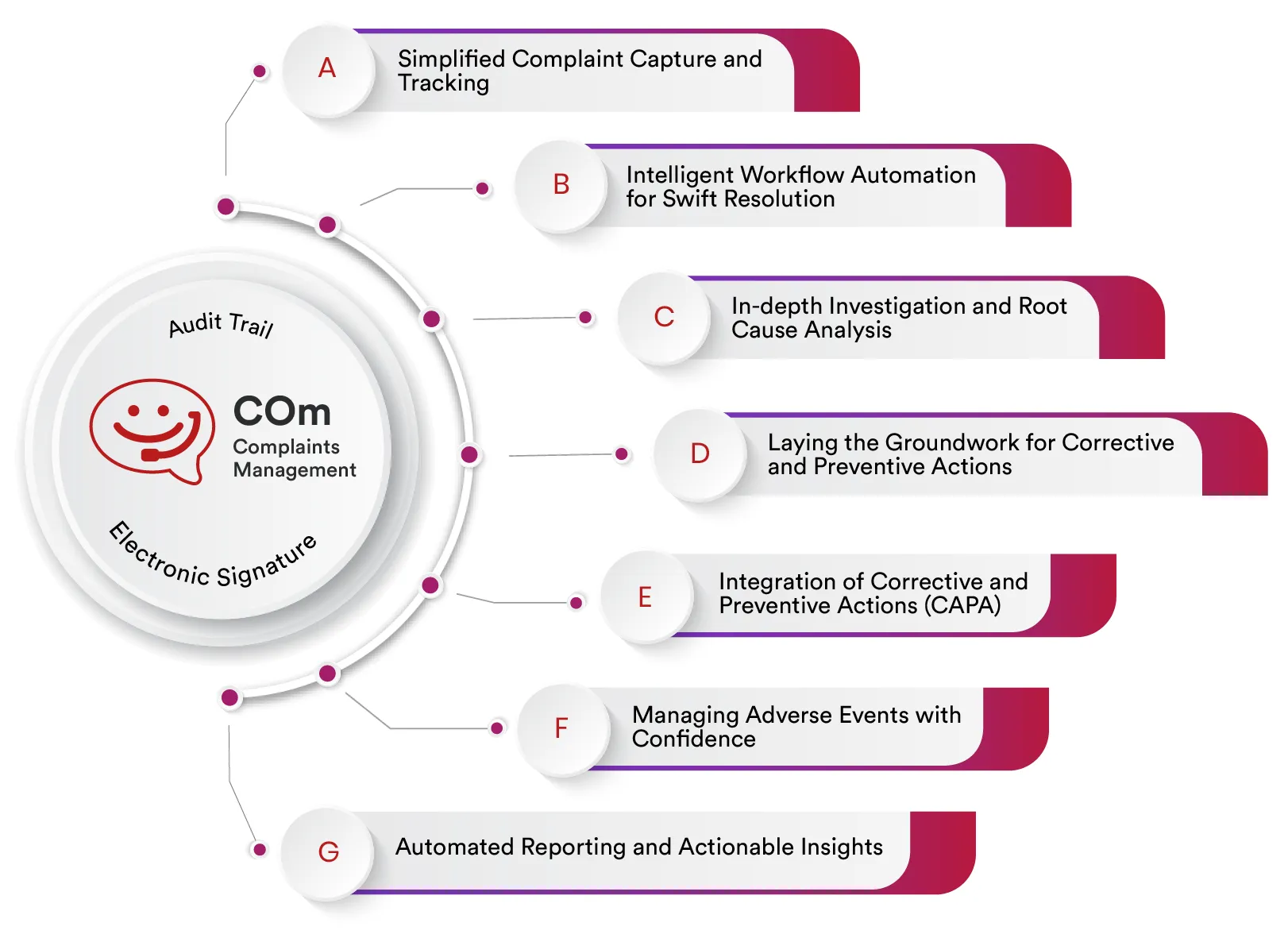
Qualityze provides Complaints Management Software within its cloud-based Quality Management System. It helps organizations centralize complaint information, standardize workflows, manage investigations, and track actions through resolution.
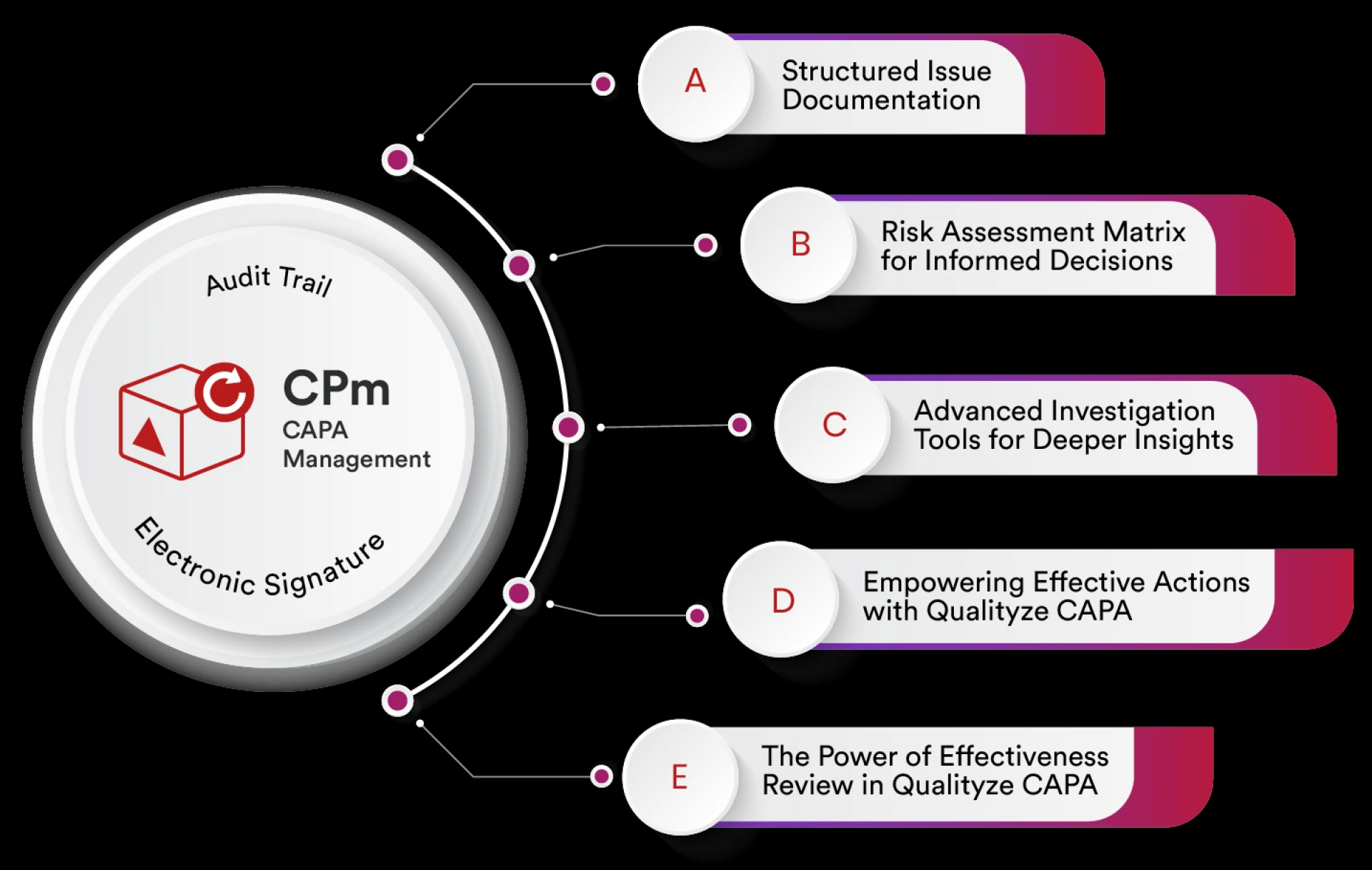
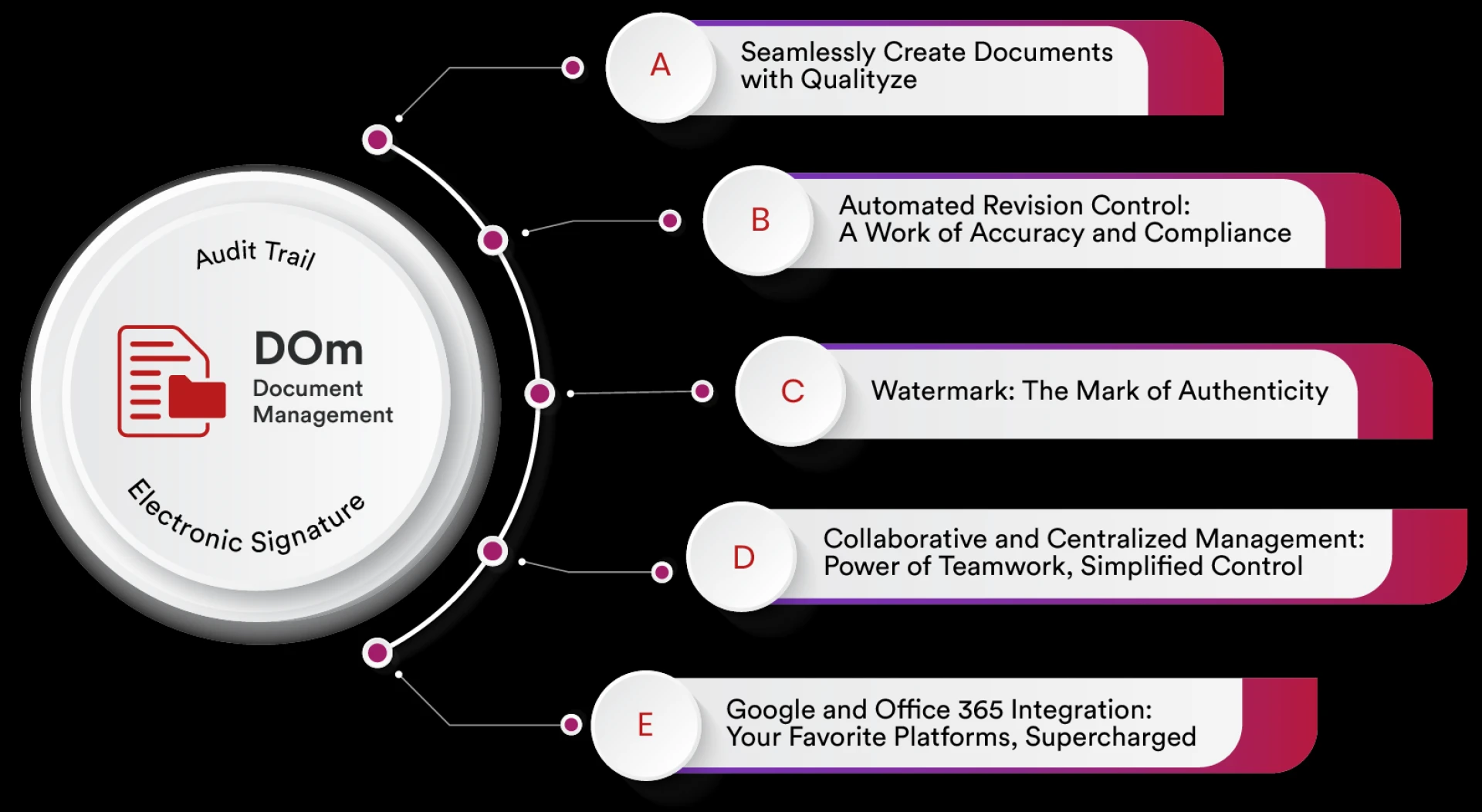
Qualityze can also connect complaint activities with broader quality processes, including CAPA, risk management, document management, and training management. This connected approach can help organizations use customer feedback to strengthen quality and support continuous improvement.
Build a Culture of Continuous Improvement
Complaint management becomes more valuable when organizations encourage teams to learn from customer feedback.
Instead of asking only, "How can we close this complaint?", teams can also ask:
- Why did this issue happen?
- Has it happened before?
- Could it affect other customers?
- What process allowed the issue to occur?
- Is corrective action necessary?
- What can prevent recurrence?
These questions shift complaint management from a reactive activity to a proactive quality improvement process.
Conclusion
Customer complaints can provide organizations with valuable insights into product, service, and process performance. A structured complaint management process helps businesses capture these insights, investigate issues, identify root causes, implement corrective actions, and monitor recurring problems.
With the right technology and processes, organizations can transform customer complaints from isolated problems into opportunities for stronger quality, improved customer satisfaction, and continuous improvement.

























Sign in to leave a comment.