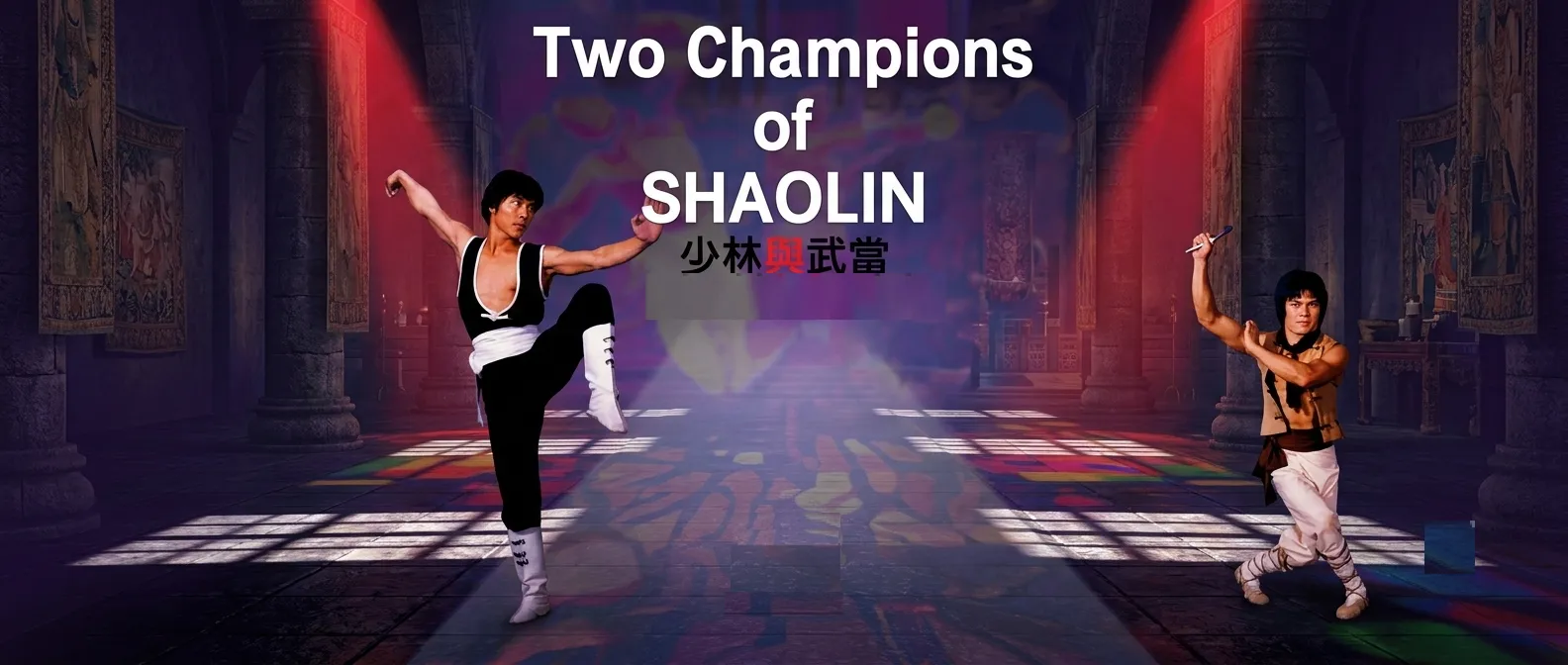

Classic Hong Kong martial arts cinema continues to find new audiences decades after its golden era. Elaborate fight choreography, memorable rivalries, physical performances, and stories built around loyalty and revenge give these films an energy that remains distinctive. Among the many productions associated with the legendary Shaw Brothers Studio, Two Champions of Shaolin represents the kind of action-driven filmmaking that helped kung fu cinema build an international following.
The Two Champions of Shaolin movie was released in 1980 and directed by influential filmmaker Chang Cheh. Also known as Two Champions of Death, the film brings together Shaolin fighters, rival martial arts factions, political conflict, and the physical filmmaking style associated with classic Hong Kong action cinema. For modern viewers exploring older kung fu films, it offers an accessible window into an era when martial arts performers, choreographers, and directors were developing increasingly elaborate approaches to screen combat.
A Classic from the Shaw Brothers Era
Any discussion of classic Hong Kong martial arts cinema eventually leads to Shaw Brothers Studio. During the genre's most influential decades, the studio produced a remarkable number of martial arts films and worked with directors and performers whose influence extended well beyond Hong Kong.
Two Champions of Shaolin arrived during this productive period. It was directed by Chang Cheh, whose extensive filmography helped shape the visual language and themes of martial arts cinema.
Rather than treating fights simply as interruptions to the story, films from this tradition often made combat an essential form of storytelling. Fighting styles, weapons, teamwork, and physical abilities could reveal character relationships and rivalries without lengthy exposition.
That approach remains one of the reasons classic kung fu cinema is so immediately recognizable.
Shaolin and Wutang at the Center of the Conflict
The film draws on the familiar cinematic rivalry between Shaolin and Wutang factions, placing martial arts conflict within a larger political struggle.
Its story involves Shaolin fighters opposing forces connected with the Qing government, while rival warriors attempt to stop them. This provides the foundation for alliances, confrontations, revenge, and increasingly intense battles.
The setup reflects themes frequently explored in martial arts cinema: loyalty to a school, obligations to teachers and fellow fighters, resistance to powerful enemies, and the consequences of revenge.
These ideas help give the action greater narrative weight. A fight is rarely just about determining who possesses the better technique. It can also represent competing loyalties, personal history, or unfinished conflicts between groups.
Chang Cheh's Influence on Kung Fu Cinema
Director Chang Cheh occupies an important place in the history of Hong Kong filmmaking. His movies became particularly associated with brotherhood, sacrifice, loyalty, physical heroism, and stylized violence.
Those themes appear throughout many of his martial arts productions.
His work also helped establish performers who became strongly associated with the genre. Instead of hiding physical movement behind excessive editing, films from this period often allowed viewers to appreciate the performers' coordination and choreography.
For audiences accustomed to contemporary action movies filled with digital effects, watching this style can feel noticeably different. Much of the excitement comes from performers physically executing combinations, falls, weapon movements, and coordinated group fights within carefully staged scenes.
That physicality gives older kung fu movies much of their lasting character.
The Venom Mob Connection
Another reason the movie attracts classic martial arts fans is its connection with performers commonly associated with the Venom Mob.
The informal group became closely identified with Chang Cheh after appearing in a series of martial arts productions around the late 1970s and early 1980s. Two Champions of Shaolin features several performers associated with those films, including Lo Mang, Chiang Sheng, Sun Chien, and Lu Feng.
The film's official Shaw Brothers trailer likewise identifies Chang Cheh as director and highlights Lo Mang, Wang Li, Sun Chien, and Chiang Sheng among the cast.
For fans exploring this period of Hong Kong cinema, recognizing recurring performers can make the viewing experience more interesting. Actors frequently appeared together in different roles and stories, giving the films a recognizable ensemble quality.
Fight Choreography Is Part of the Storytelling
Martial arts choreography is one of the major reasons films from this period continue to attract dedicated viewers.
Good fight choreography does more than create spectacle. It communicates personality.
A fighter's preferred weapons, speed, strength, defensive approach, or willingness to cooperate with others can reveal something about the character. Group battles add another layer because performers must coordinate movements while keeping the action readable.
The Hong Kong Film Archive preserves and promotes Hong Kong's cinematic heritage, providing useful context for viewers interested in understanding the broader film culture from which martial arts classics emerged.
Looking at these films as part of Hong Kong cinema history—not merely as collections of fight scenes—reveals how choreography, performance, costume, production design, and filmmaking technique worked together.
Why Practical Martial Arts Action Still Appeals
Modern action filmmaking has access to visual effects and production technology that filmmakers in 1980 could hardly have imagined. Yet practical martial arts choreography retains a particular appeal.
The audience can see bodies moving through physical spaces. Timing between performers matters. Weapons need to appear convincingly controlled. Falls and reactions have to work with the choreography around them.
This creates a tangible quality that is difficult to replicate.
It also explains why clips from classic kung fu films continue circulating among martial arts enthusiasts and film fans. A well-designed sequence can remain exciting even when viewers know little about the movie surrounding it.
For some audiences, discovering one memorable fight sequence becomes the starting point for exploring an entire period of Hong Kong cinema.
More Than Nostalgia for Martial Arts Fans
The continuing interest in classic kung fu movies is not based solely on nostalgia.
Younger audiences now have greater opportunities to discover international films through streaming platforms and digital distribution. Viewers interested in Asian cinema can move between contemporary dramas, action series, anime, classic films, and programming from different countries more easily than previous generations could.
That accessibility creates opportunities for older movies to reach people who were not alive when they originally appeared in theaters.
A film such as Two Champions of Shaolin can therefore be approached both as entertainment and as part of the history of martial arts filmmaking.
What New Viewers Can Look For
Someone watching a classic Shaw Brothers production for the first time may benefit from paying attention to more than the central plot.
Watch how different fighters are visually distinguished through costumes, weapons, and movement. Notice how the camera frames combat so that choreography remains visible. Look at how alliances influence group battles and how individual fighting styles help distinguish characters.
The pacing may differ from contemporary action cinema, but that difference is part of the experience.
Rather than expecting a modern martial arts film, viewers can appreciate the movie within the filmmaking conventions of its period. Doing so makes it easier to understand why these productions became influential and why they continue to have dedicated audiences.
Classic Films Keep Asian Cinema History Accessible
Rediscovering older martial arts films also gives audiences a broader perspective on the evolution of Asian screen culture. Modern international interest did not emerge overnight; generations of filmmakers, performers, and studios helped establish audiences for stories produced across Asia. Exploring classic kung fu alongside contemporary Asian entertainment and storytelling can reveal just how varied that screen tradition has become, from martial arts and historical drama to comedy, family programming, and modern television.
A Kung Fu Classic Worth Rediscovering
Two Champions of Shaolin captures many elements associated with classic Hong Kong martial arts filmmaking: rival schools, loyalty, revenge, ensemble performances, distinctive characters, and carefully staged physical combat. More than four decades after its original release, those qualities continue to make the film relevant to audiences exploring the roots of kung fu cinema. Whether viewers arrive as longtime Shaw Brothers fans or newcomers curious about vintage martial arts movies, the film provides an energetic introduction to a highly influential period of Asian action cinema.




















Sign in to leave a comment.