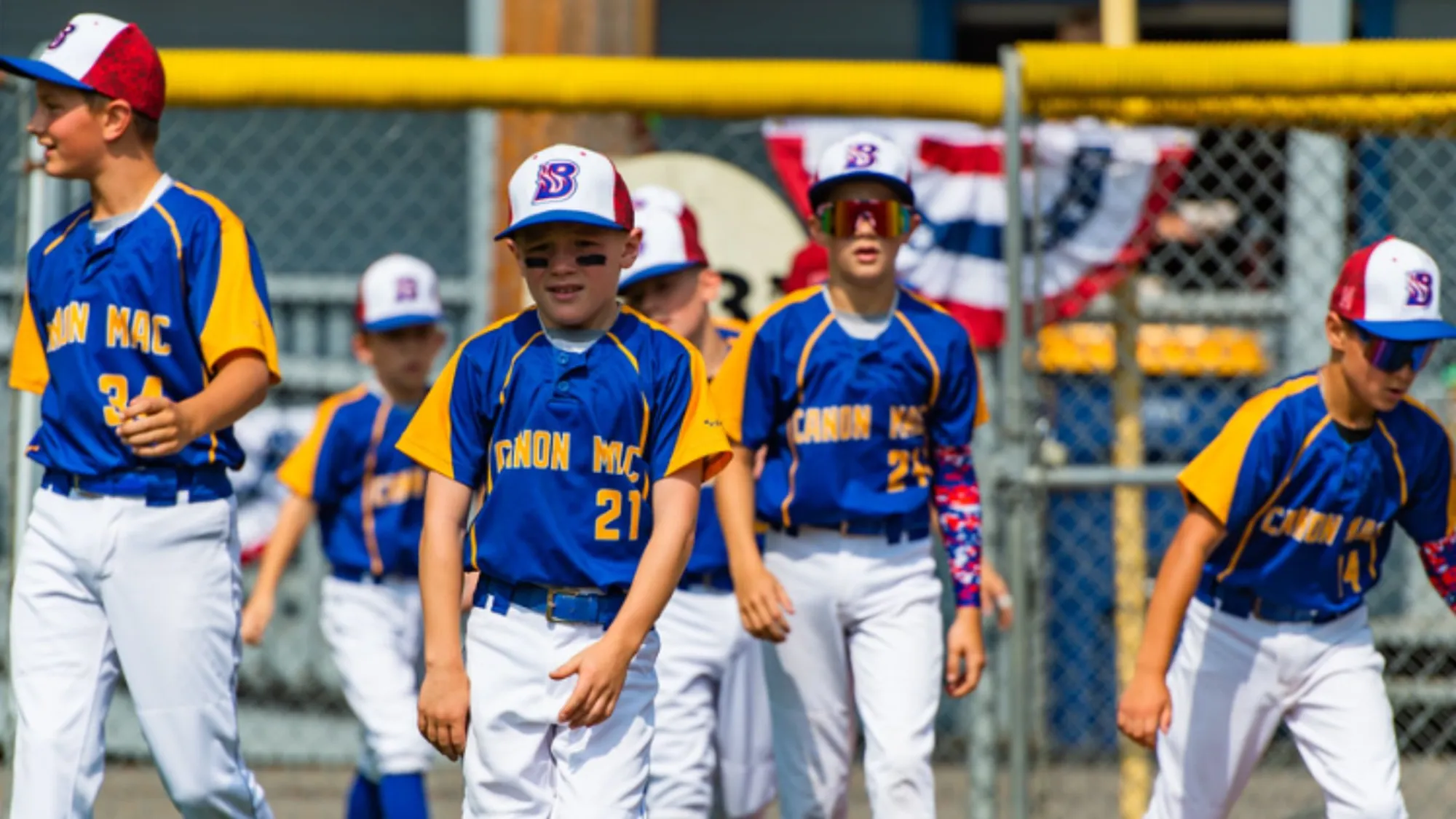

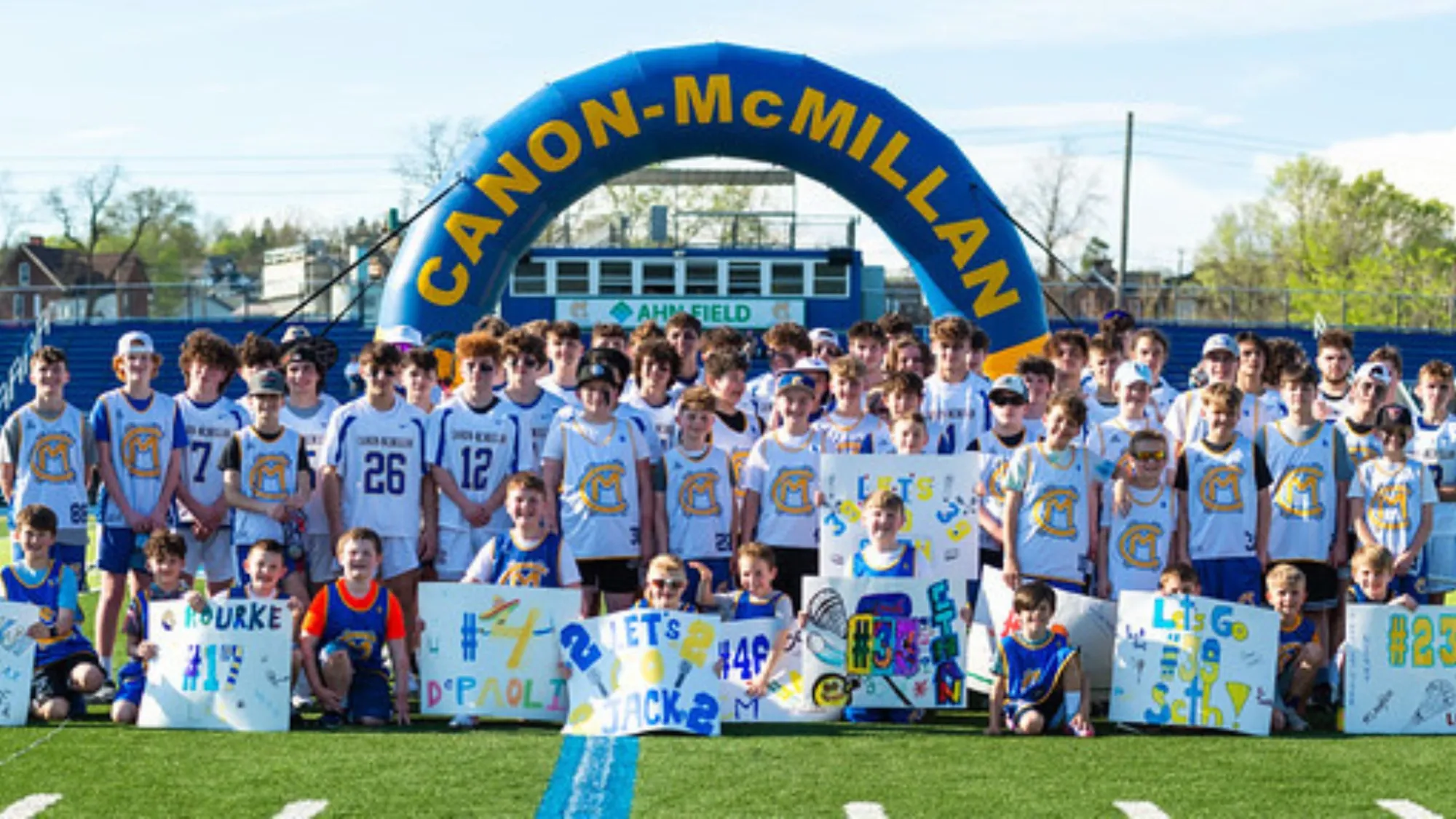
South Hills athletic programs are increasingly thinking about their visual presence with more intention than previous generations did. School athletic departments, youth leagues, and travel programs all operate in a digital environment where images circulate quickly and first impressions form fast. Understanding what each format is designed to do is the starting point for making better decisions about how their athletes and programs are represented.
Sports action photography in South Hills and composite photography are not interchangeable formats. They serve distinct purposes, require different production approaches, and produce images with fundamentally different downstream uses. Programs that conflate them tend to under-serve both.
What Action Photography Is Built For
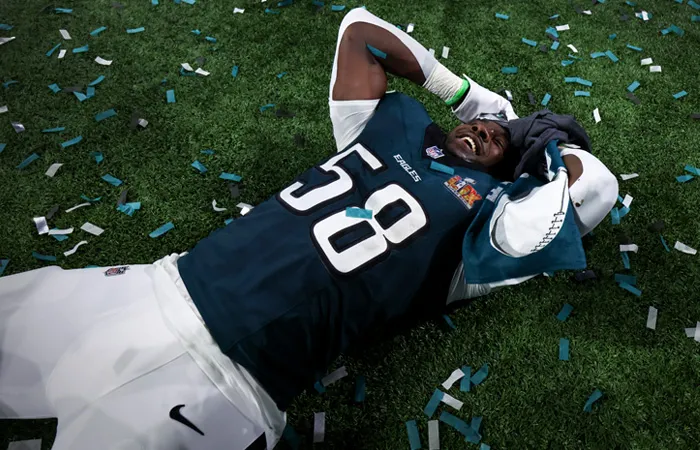
The purpose of sports action photography in South Hills is documentation and storytelling. It captures what athletes do in real competitive contexts: the play developing, the moment of contact or release, the response of teammates and opponents. These images are authentic by definition because they record events that actually happened.
Action images serve editorial, archival, and social media purposes well. They populate athletic department websites, appear in yearbooks, support local media coverage, and give families a genuine record of their athlete's competitive seasons. Their authenticity is also their primary limitation in certain commercial contexts. They depend on what happens in the game, which means the most useful individual frames are not always capturable under game conditions.
What Composite Photography Adds
Sports composite photography in South Hills addresses the gaps that game coverage cannot reliably fill. Composites place athletes in dramatic, controlled visual environments with lighting, backgrounds, and composition designed to maximize individual presentation. The result is an image that looks the way a highlight moment should look, rather than the way it happened to look when captured in real time.
The use cases are specific:
- NIL content for athletes with sponsorship or social media followings
- Recruitment profiles requiring commercial-grade visual assets
- Program promotional materials including banners, websites, and printed collateral
- Award and recognition presentations where a single strong individual image is needed
In each of these contexts, the controlled environment of a composite session produces more reliable results than hoping game coverage delivers the perfect frame.
The Production Requirements That Differ
Understanding the production differences between these formats helps programs plan more effectively.
Action photography is time-bound and requires presence at live events. The photographer needs to be positioned correctly, with appropriate equipment, when the action occurs. There are no second chances. The variables, light, weather, play development, are outside the photographer's control.
Composite sessions are controlled at every stage. Lighting is designed for the specific intended result. The athlete is directed into positions that communicate their sport and position most effectively. Post-production integrates the subject into a background chosen to amplify rather than distract. The process takes longer per image but produces assets with more predictable outcomes.
Neither format replaces the other. Programs that invest in both formats consistently build the strongest overall visual presence in the South Hills area. Photographers experienced in both formats, such as those working within the local sports community around South Hills, bring that understanding to the planning conversation before a single frame is captured.
Planning Across the Season
The most effective approach treats both formats as complementary parts of a single visual strategy rather than competing options. Season-long action coverage builds the documentary record. Targeted composite sessions, typically scheduled once or twice per year, produce the hero images that anchor recruitment profiles and program marketing.
Programs that plan both in advance, with clear intent about what each session needs to produce, consistently get more value from their photography investment than those that book reactively.
Strategy First, Format Second
The choice between sports action photography in South Hills and composite work is not a question of which is better. It is a question of what the image needs to do. Programs that answer that question before booking consistently end up with images that do it.














Sign in to leave a comment.