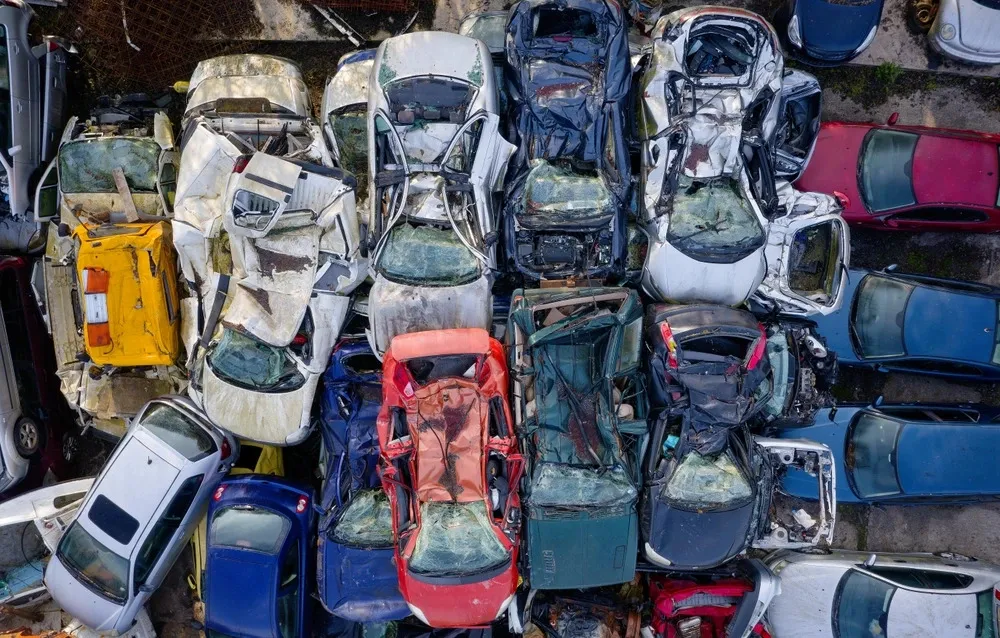

Finding out your car doesn't meet ULEZ standards usually raises one question straight away: is it worth fixing, or time to move on? The answer depends on the car, the fault, and how long you plan to keep driving it in London.
Quick answer: A ULEZ non-compliant car has three realistic paths forward — repairing a specific emissions-related fault, retrofitting an emissions control system where one is available for the vehicle, or replacing the car entirely. Which makes sense depends on the vehicle's age, condition, and how much daily ULEZ charge you'd otherwise be paying.
What Makes a Car ULEZ Non-Compliant
ULEZ compliance is based on emissions standards rather than a car's age alone. Petrol cars generally need to meet Euro 4 (most manufactured from 2005 onward), and diesel cars need Euro 6 (most manufactured from September 2015 onward). Non-compliant vehicles pay a £12.50 daily charge to drive within the zone. The exact status of a specific vehicle can be checked using the official ULEZ vehicle checker.
Option 1 — Repair Toward Compliance
In rare cases, a car fails ULEZ compliance because of a specific, fixable emissions-related fault — for example, a faulty catalytic converter or a diesel particulate filter (DPF) issue — rather than the vehicle's engine generation. If the underlying engine already meets the Euro standard on paper but a component fault is causing it to fail checks, repairing that specific part can restore compliance. This only applies to a minority of cases; most non-compliance is due to the vehicle's engine generation, which repair can't change.
Option 2 — Retrofit an Emissions System
Retrofitting means fitting an aftermarket emissions-reduction system to bring an older engine closer to modern standards. Retrofit kits exist for some vehicle types, particularly certain vans, buses, and specialist vehicles, but availability and cost vary significantly by make and model, and not every non-compliant car has a retrofit option at all. Before considering this route, it's worth checking whether a retrofit product actually exists and is approved for your specific vehicle.
Option 3 — Replace the Vehicle
For most cars where the non-compliance comes down to engine age rather than a fixable fault, replacing the vehicle is the most reliable route to avoiding the daily charge entirely. This doesn't have to mean buying new — a compliant used petrol or diesel, or an electric vehicle, both avoid ULEZ charges. Scrapping the old car through a licensed ATF, rather than trying to sell a non-compliant vehicle privately, is often simpler, since demand for non-compliant cars in London has fallen as more buyers factor ULEZ into their decision.
Comparing the Three Options
| Option | Best for | Typical cost driver | Ongoing ULEZ charge? |
| Repair | A specific fixable fault, engine already meets the standard | Cost of the specific part/repair | No, once fixed |
| Retrofit | Vehicle types with an approved retrofit kit available | Retrofit kit + fitting cost | No, once approved |
| Replace | Most non-compliant cars (engine generation issue) | Value gap between old and replacement vehicle | No |
Where Replacing Makes the Most Sense
If your car doesn't have a repair or retrofit path — which applies to most non-compliant vehicles — the practical comparison becomes: keep paying £12.50 a day (or avoid the zone entirely, which isn't realistic for most London-based drivers), or replace the car and stop the charge altogether. Brits Car Breakers, a licensed London ATF, offers free collection and a fair market-rate price for non-compliant vehicles, with same-day payment and DVLA paperwork handled — making replacement a straightforward next step once the numbers favour it. For drivers considering an electric replacement, scrapping an old EV or damaged electric vehicle is also covered.
Frequently Asked Questions
How much does the ULEZ daily charge cost?
Non-compliant vehicles pay £12.50 per day driven within the zone.
How do I check if my car is ULEZ compliant?
Use the official ULEZ vehicle checker with your registration number to get a definitive answer for your specific car.
Can any non-compliant car be retrofitted?
No. Retrofit availability depends on the vehicle type and manufacturer, and many passenger cars don't have an approved retrofit option.
Is it worth keeping a non-compliant car if I rarely drive into the zone?
If you rarely enter the zone, the daily charge may cost less over a year than replacing the car — it comes down to how often you actually drive into ULEZ.
What's the difference between Euro 4 and Euro 6 standards?
They're emissions standards set at different times — Euro 4 applies to petrol cars, generally from 2005 onward, while Euro 6 applies to diesel cars, generally from September 2015 onward. Meeting the relevant standard is what determines ULEZ compliance.
Frequently Asked Questions
What is the daily charge for driving a non-compliant car in ULEZ?
Non-compliant vehicles are subject to a daily charge of £12.50 when driven within the ULEZ zone. This fee applies each day the vehicle is used in the designated area, which can accumulate significantly over time.
How can I check if my vehicle meets ULEZ standards?
To determine if your car is ULEZ compliant, you can use the official ULEZ vehicle checker available online. Simply enter your vehicle registration number, and it will provide you with the compliance status for your specific car.
Are all non-compliant vehicles eligible for retrofitting?
Not all non-compliant vehicles can be retrofitted. The availability of retrofit options depends on the make and model of the vehicle, and many passenger cars do not have an approved retrofit solution available.
Is it worth keeping a non-compliant vehicle if I don't drive into ULEZ often?
If you rarely drive into the ULEZ zone, it may be more economical to keep your non-compliant vehicle rather than replace it. You should calculate the potential daily charges against the cost of a new vehicle to see what makes the most financial sense for you.
What are the main differences between Euro 4 and Euro 6 emissions standards?
Euro 4 and Euro 6 are emissions standards that dictate the allowable levels of pollutants from vehicles. Euro 4 generally applies to petrol cars manufactured from 2005 onward, while Euro 6 applies to diesel cars from September 2015 onward, with Euro 6 being stricter in terms of emissions.
What should I do if my car has a specific emissions-related fault?
If your car has a specific emissions-related fault, such as a faulty catalytic converter, repairing that issue might restore compliance with ULEZ standards. This is less common, but if applicable, fixing the fault can help you avoid the daily charge.
What options do I have if my car is non-compliant due to its engine age?
If your car is non-compliant due to its engine age, you typically have three options: repair any specific fixable emissions faults, retrofit an emissions control system if available, or replace the vehicle with a compliant one. Each choice depends on the vehicle's condition and your driving needs.



















Sign in to leave a comment.