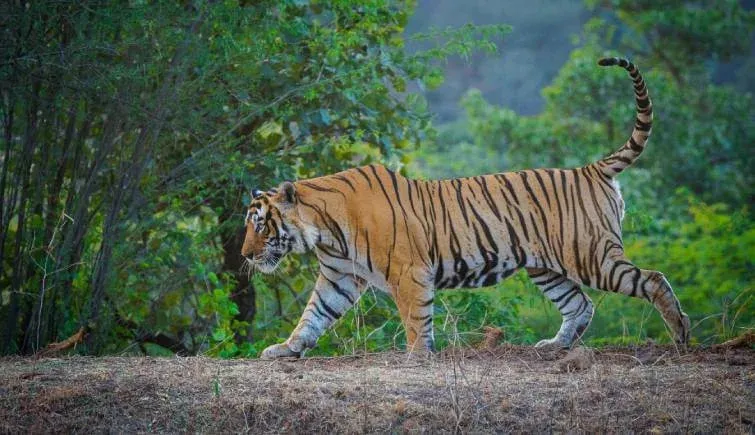

The Royal Bengal Tiger remains one of the most enigmatic apex predators on the planet, drawing wildlife enthusiasts, photographers, and conservationists from across the globe. India harbors over seventy percent of the world's wild tiger population, dispersed across diverse ecosystems ranging from deciduous dry forests and rugged rocky terrains to dense sal woodlands and marshy grasslands. Planning an expedition to observe these majestic felines in their natural habitat requires meticulous preparation, in-depth knowledge of local terrain, and an understanding of seasonal animal behaviors. This comprehensive guide details the premier wildlife reserves for tracking tigers, providing actionable field expertise to ensure an enriching and ethically sound safari experience.
The Legendary Deciduous Wilderness of Ranthambore National Park
Situated in southeastern Rajasthan at the junction of the Aravalli and Vindhya hill ranges, Ranthambore stands as an iconic symbol of Indian wildlife conservation. Once the private hunting grounds of the Maharajas of Jaipur, this reserve showcases a dramatic landscape dotted with historical ruins, ancient banyan trees, and medieval water bodies. What sets this destination apart is the striking juxtaposition of historical heritage against raw wilderness, where tigers are frequently seen resting near the tenth-century fortress walls or prowling around the Padam Talao and Rajbagh lakes.
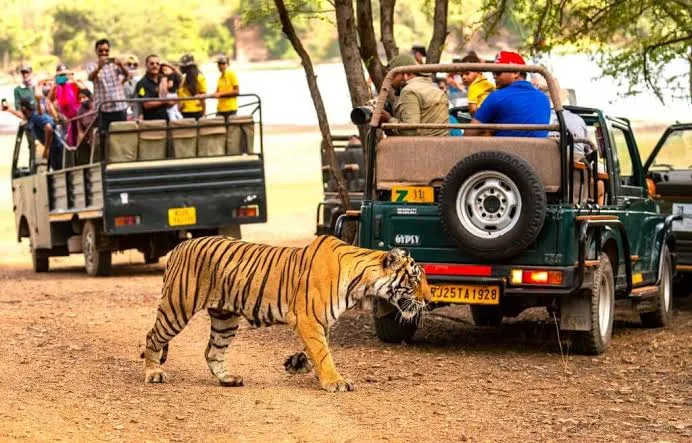
Planning a journey here necessitates an understanding of seasonal climate variations and wildlife movement patterns. Knowing the best time to visit Ranthambore ensures you align your trip with peak animal activity, as the dry summer months between March and May compel wildlife to congregate around shrinking water holes, whereas the post-monsoon months offer pleasant weather and verdant scenery. Furthermore, safari logistics in the park are divided into ten designated administrative routes. Securing access to a productive Ranthambore safari zone plays a crucial role in optimizing your chances of observing resident big cats while safeguarding the natural carrying capacity of fragile ecosystems. For travelers seeking restorative comfort and hospitality between game drives, choosing the best resort in Ranthambore offers restful accommodations paired with experienced naturalist guides.
The Sal Forests and Meadows of Kanha National Park
Located in the heart of Madhya Pradesh, Kanha National Park provides a completely distinct habitat compared to the arid scrublands of Rajasthan. Characterized by sweeping sal forests, rolling grasslands known locally as maidans, and crystalline streams, Kanha served as the visual inspiration for Rudyard Kipling's classic literary landscape. The park is globally celebrated not only for its robust tiger density but also for pioneering the successful revival of the hard-ground swamp deer, or barasingha, which was once on the brink of complete extinction.
Tigers in Kanha navigate expansive territories across prime safari sectors such as Mukki, Kanha, and Kisli. Because the vegetation in Kanha is denser, trackers rely heavily on listening to acute alarm calls issued by langurs, spotted deer, and sambar to pinpoint the location of a moving predator. Game drives here unfold over broad tracks where early morning mist often blankets the valley floors, providing photographers with atmospheric lighting conditions and exceptional biodiversity viewing opportunities, including Indian wild dogs, leopards, and gaur.
The Dense Tiger Haven of Bandhavgarh National Park
For travelers whose primary priority is high sighting frequency, Bandhavgarh National Park in Madhya Pradesh represents a quintessential safari destination. Encompassing dramatic sandstone hillocks, mixed scrub, and thick bamboo thickets, Bandhavgarh historically boasts one of the highest densities of wild tigers per square kilometer anywhere in Asia. The park's central core areas, notably the Tala, Magdhi, and Khitauli zones, have witnessed legendary tiger lineages documented extensively by global wildlife filmmakers.
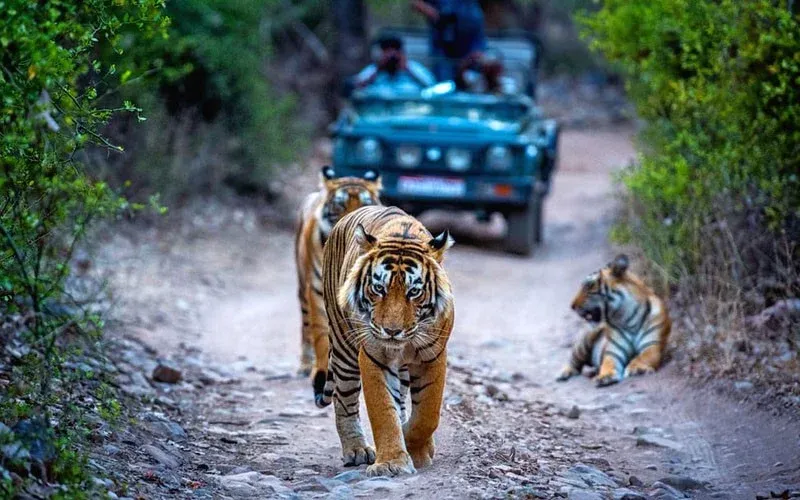
Navigating Bandhavgarh requires experienced naturalist interpretation. Because the core zone comprises steep elevations and rocky valleys, tigers frequently use dry riverbeds and vehicular tracks to patrol territorial boundaries. The park is also steeped in ancient folklore, featuring the monumental reclining stone carving of Lord Vishnu and cave inscriptions dating back thousands of years. Early booking is critical for Bandhavgarh, as park entry regulations strictly cap vehicle numbers to minimize ecological disturbance.
Practical Insights for an Ethical Wildlife Expedition
Maximizing the success of any tiger safari requires respecting park ethics, adhering to safety protocols, and understanding wildlife biology. Consider these essential field practices during your safari itinerary:
- Select customized safari vehicles operated by licensed naturalists who understand non-intrusive driving distances, avoid blocking animal corridors, and strictly monitor noise discipline inside core habitats.
- Prioritize multi-day itineraries covering at least four to six individual game drives, as tiger tracking relies heavily on seasonal factors, luck, and patience rather than guaranteed appearances.
- Dress in muted earth tones such as khaki, olive, beige, or brown to blend seamlessly into forest environments, avoiding bright colors or strong synthetic fragrances that disrupt animal senses.
- Maintain complete silence when an apex predator is spotted, refraining from sudden movements or standing inside open safari jeeps to ensure the safety of both observers and animals.
Embarking on a tiger safari provides more than just a fleeting glimpse of an apex predator; it actively funds conservation initiatives, empowers forest ranger teams, and supports local communities surrounding these wildlife sanctuaries.



















Sign in to leave a comment.