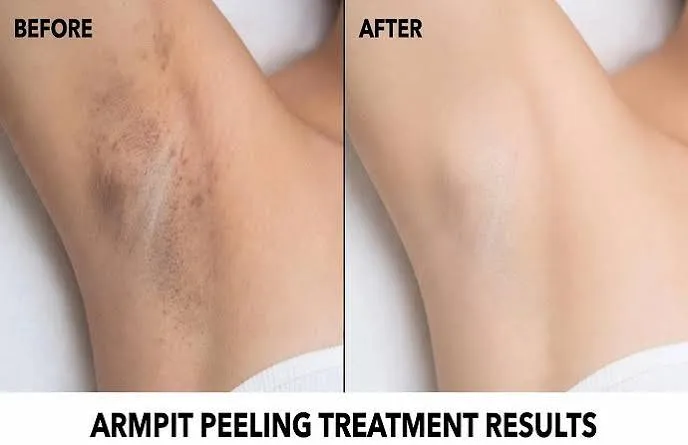


<p>Dark or uneven underarms can develop for several reasons, including frequent shaving, friction from clothing, deodorant irritation, hormonal changes, and a buildup of dead skin cells. If you are considering an underarm chemical peel, understanding how the treatment works and what to expect can help you make a more informed decision.</p>
<p>An underarm chemical peel is a professional treatment that uses a specially selected chemical solution to exfoliate the outer layers of the skin. This process helps remove accumulated dead skin cells and encourages skin renewal. As the treated layers gradually shed, the skin may appear smoother and more even in tone.</p>
<p>Because the underarm area is sensitive, the type and strength of the peel should be selected according to the individual's skin condition. A professional assessment is useful before treatment because pigmentation can have different causes, and not every person will require the same approach.</p>
<p>During a consultation, a dermatologist can assess the level of pigmentation, skin sensitivity, and possible contributing factors. Based on this assessment, the recommended plan may involve a chemical peel, laser treatment, medical-grade brightening products, or a combination of approaches.</p>
<p>During a chemical peel session, the underarm area is first cleansed to remove oils, sweat, and other impurities. The selected medical-grade peel is then applied carefully to the treatment area. Patients may experience a mild tingling sensation during the procedure. After the application, soothing products may be used to help calm and protect the skin.</p>
<p>One advantage of an underarm chemical peel is that the treatment generally involves minimal downtime. Mild redness, sensitivity, or light peeling can occur during the days following treatment as the skin renews itself. These effects are usually temporary, but following the dermatologist's aftercare instructions is important.</p>
<p>After treatment, it is generally helpful to avoid unnecessary friction and harsh products on the treated area. Your dermatologist may recommend keeping the skin moisturized and avoiding shaving or other forms of irritation for a period of time. Wearing loose clothing can also help reduce friction while the skin is recovering.</p>
<p>The number of sessions required varies from person to person. Factors such as the severity of pigmentation, skin sensitivity, the type of treatment used, and individual skin response can influence the treatment plan. Chemical peels may require multiple sessions to achieve gradual improvement rather than producing an immediate change after one appointment.</p>
<p>Chemical peels are not the only option for underarm pigmentation. Laser treatment can take a more targeted approach by using focused energy to address pigmentation. In some cases, a dermatologist may consider combining treatments depending on the underlying cause and the patient's skin characteristics.</p>
<p>Professional assessment is particularly important when treating pigmentation in sensitive areas. Trying strong exfoliating products or untested home remedies may irritate the skin and potentially make pigmentation more noticeable. A qualified professional can identify the likely cause of the discoloration and recommend an approach appropriate for the individual's skin.</p>
<p>Queens Elite Medical in Dubai provides personalized underarm pigmentation treatments following a skin assessment. The clinic offers chemical peels, laser therapies, and medical-grade brightening treatments depending on individual requirements.</p>
<p>If you are considering an underarm chemical peel, a consultation is a useful first step. Understanding the cause of pigmentation, the available treatment options, expected recovery, and appropriate aftercare can help you approach the treatment with realistic expectations and a plan suited to your skin.</p>
learn more: https://queenselitemedical.com/chemical-peeling-vs-laser-for-underarm-whitening-which-treatment-is-right-for-you/

























Sign in to leave a comment.