
Industrial pumping systems play an important role in many manufacturing, maintenance, construction, and automation environments. Pumps are used to move fluids, generate pressure, support hydraulic equipment, and perform controlled mechanical operations. Selecting the right pump depends on several factors, including pressure requirements, flow rate, operating environment, fluid type, available power sources, and the specific demands of the equipment being operated.
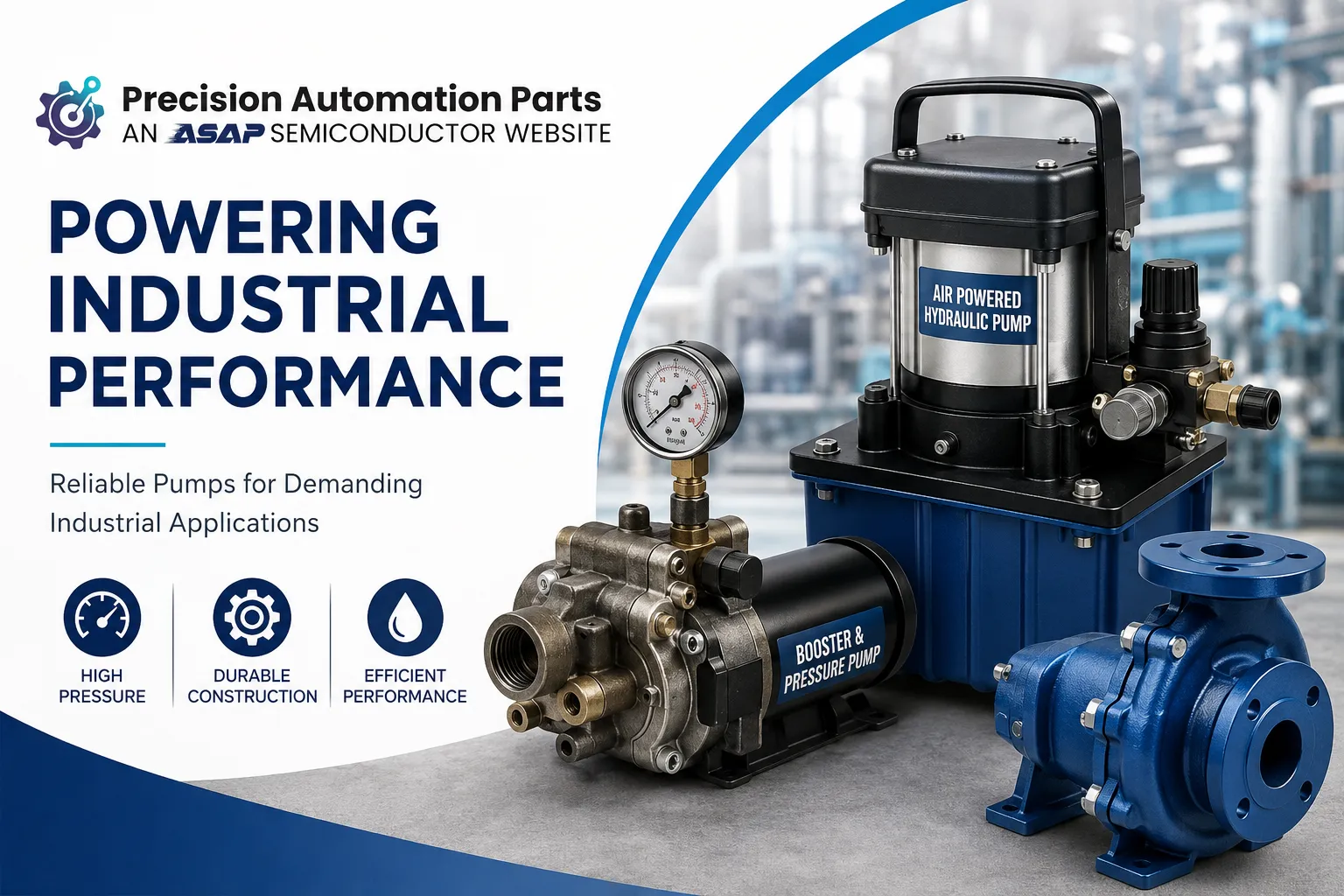
Among the different options available for hydraulic applications, Air Powered Hydraulic Pumps are useful where compressed air is available and dependable hydraulic pressure is required. These pumps use pneumatic energy to drive hydraulic fluid, making them suitable for environments where electrical power may not be the preferred source. Their design can be particularly practical in industrial settings where equipment needs to operate in demanding conditions or where portability and straightforward operation are important considerations.
The basic purpose of a hydraulic pump is to convert mechanical or pneumatic energy into hydraulic energy. The pump moves hydraulic fluid through a system, creating the flow needed for cylinders, presses, lifting equipment, and other hydraulic machinery. Pressure is generated when the fluid encounters resistance within the system. Understanding the relationship between flow and pressure is important when selecting a pump because choosing a component without considering the application's requirements can result in inefficient operation.
Different pump designs are intended for different operating conditions. Some are selected for high-pressure applications, while others are better suited to continuous fluid movement or specific flow requirements. In industrial environments, Booster And Pressure Pumps can be considered when a system requires additional pressure to meet operational demands. Their application can vary considerably, so factors such as inlet conditions, required discharge pressure, flow rate, and system compatibility should be reviewed before installation.
Air-operated systems can offer practical advantages in certain workplaces. Since compressed air is used as the driving force, these pumps can be useful in locations where electrical equipment may be inconvenient or unsuitable for the application. They can also provide a convenient option for mobile hydraulic equipment because the pump arrangement can be relatively compact. However, the available air pressure and volume must be sufficient for the selected pump to perform as expected.
Maintenance is another important part of pump reliability. Hydraulic systems should be checked regularly for leaks, damaged hoses, loose fittings, contamination, and unusual operating behavior. Hydraulic fluid should also be maintained according to the equipment manufacturer's recommendations. Contaminated or unsuitable fluid can affect internal components and may reduce the service life of the pump. Keeping connections clean and monitoring system performance can help identify potential problems before they become major failures.
When selecting a pump, buyers should pay close attention to technical specifications rather than relying only on the product name. Maximum operating pressure, displacement, flow capacity, air consumption, port configuration, dimensions, and mounting requirements can all influence compatibility. A pump that appears similar to an existing unit may still have different operating characteristics, which could make it unsuitable as a direct replacement.
Different pumping technologies also serve different purposes. For example, Centrifugal Pumps are commonly associated with applications where continuous movement of liquids is required. Their operating principle differs from that of many hydraulic pressure pumps, making them better suited to particular fluid-transfer tasks. Understanding these differences helps maintenance personnel and engineers avoid selecting equipment based solely on general pump terminology.
Part identification becomes especially important when maintaining established industrial equipment. Older systems may use components that are no longer regularly manufactured or are difficult to locate through conventional suppliers. In these cases, the original part number, manufacturer information, specifications, and equipment documentation can help determine whether the required component is still available or whether a suitable alternative needs to be evaluated.
Documentation can also play an important role in industrial procurement. Depending on the application, customers may require manufacturer documentation, inspection records, traceability information, or certificates associated with a component. Having accurate records can make it easier to verify that the selected pump matches the required specifications and can also simplify future maintenance and replacement activities.
Environmental conditions should not be overlooked. Pumps operating in manufacturing facilities, workshops, outdoor installations, or mobile equipment may encounter dust, moisture, temperature changes, vibration, and other demanding conditions. The pump, hoses, fittings, seals, and other associated components should therefore be selected according to the environment in which they will operate. Correct installation is equally important because improper connections or unsupported hoses can create unnecessary stress on the system.
Another consideration is the availability of replacement parts. Even when a pump has a long service life, seals, fittings, valves, and other related components may eventually require replacement. Keeping records of critical part numbers and identifying potential sources ahead of time can reduce delays when maintenance becomes necessary. This approach is particularly useful for production environments where unexpected equipment downtime can affect schedules and operating costs.
Ultimately, successful pump selection involves more than choosing a component based on pressure or size alone. Engineers and maintenance teams should consider the complete operating system, including the power source, fluid characteristics, required pressure, flow rate, installation environment, and maintenance requirements. By evaluating these factors carefully, organizations can make more informed procurement decisions and select pumping equipment that aligns with the needs of their industrial applications.

























Sign in to leave a comment.