
Caring for a loved one with Alzheimer's can change gradually, often beginning with small concerns about memory and eventually affecting daily routines, communication, safety, and independence. Families may initially manage these changes at home, but as needs become more complex, professional support can become increasingly important. Knowing what care options exist can help families make decisions based on the senior's current needs while preparing for changes that may come later.
Organizations such as the Alzheimer's Association in California provide education, resources, and support for individuals living with Alzheimer's and their families. Alongside these resources, families may explore professional care options that provide daily assistance in a safe and supportive environment. The right approach depends on the individual's condition, preferences, family circumstances, and level of assistance needed.
How Does Alzheimer's Affect Daily Life?
Alzheimer's is a progressive neurological condition that can affect memory, thinking, communication, judgment, and the ability to complete familiar activities. Each person's experience is different, so care cannot always follow a fixed routine.
In the earlier stages, a senior may mainly need reminders and occasional assistance. Over time, they may have difficulty preparing meals, managing medications, getting dressed, navigating familiar surroundings, or recognizing people and places. Behavior can also change, so patience and consistency become essential parts of daily support.
Safety can become another concern. Wandering, falls, confusion, or difficulty responding appropriately to emergencies may create risks that are difficult for family members to manage alone. Professional caregivers can provide supervision while helping the senior maintain as much independence as possible.
What Resources Can Families Use?
Families do not have to navigate Alzheimer's without guidance. The Alzheimer's Association in California is one resource families can turn to for information about Alzheimer's, dementia, caregiving, education, and community support.
Professional resources can help families better understand the condition and identify questions to discuss with healthcare providers. Support groups can also give caregivers a chance to connect with others who understand the emotional and practical challenges of caring for someone with memory loss.
However, educational resources and residential care serve different purposes. While organizations can provide information and support, a senior who requires daily assistance may eventually need a structured care environment or professional caregivers.
What Should Alzheimer's Care Include?
Quality care should address more than memory-related symptoms. A senior may need help with personal hygiene, meals, medication routines, mobility, and other everyday activities while still benefiting from social interaction and familiar routines. A supportive care plan may include:
- Assistance with bathing, dressing, and grooming
- Medication reminders or management
- Nutritious meals and snacks
- Mobility and transfer assistance
- Housekeeping and laundry
- Structured activities and social engagement
- Supervision for safety
- Communication with family members and healthcare professionals
When Should Families Explore Residential Care?
There is no single moment when a family must move a loved one into residential care. The decision often develops after families notice that existing arrangements are no longer sufficient. Frequent falls, missed medications, wandering, increasing difficulty with personal care, or caregiver exhaustion can all indicate that additional support may be necessary. A senior may also begin feeling isolated if family members cannot provide enough companionship during the day.
Families considering Alzheimers care Fresno CA can compare different care environments based on the level of supervision, caregiver availability, accommodations, activities, and specialized memory support provided.
A smaller residential setting may appeal to seniors who find large communities overwhelming. A familiar environment with consistent caregivers can help establish predictable routines, which may benefit individuals experiencing cognitive changes.
How Are Dementia Care Facilities Different?
The term dementia care facilities covers a range of residential environments designed to support people living with Alzheimer's and other forms of dementia. However, facilities can differ considerably in their approach. Families should look beyond whether a community simply advertises memory care. They can ask how caregivers respond to confusion, behavioral changes, wandering, or nighttime concerns. It is also helpful to know whether staff receive dementia-specific training and how they develop individual care plans.
The physical environment matters as well. Clear pathways, appropriate safety features, accessible common areas, and spaces for quiet time can make daily routines easier for residents. Another important consideration is the relationship between caregivers and residents. In memory care, familiarity can matter. When caregivers understand a resident's personality, preferences, history, and routines, they may be better positioned to recognize changes in mood or behavior.
What Questions Should Families Ask?
Visiting potential care settings allows families to evaluate more than the physical surroundings. Conversations with staff can provide insight into how care is actually delivered. Families may want to ask:
- How are residents' care needs assessed?
- How often are care plans reviewed?
- What dementia-related training do caregivers receive?
- How are changes in behavior handled?
- What happens if a resident's needs increase?
- How are families updated about significant changes?
- What activities are available for different cognitive abilities?
- How does the community support personal routines and preferences?
Creating a More Supportive Care Experience
Alzheimer's care is not only about managing a diagnosis. It is also about helping a senior continue to experience comfort, dignity, connection, and familiarity as circumstances change.
For families researching Alzheimer's care Fresno CA, the goal should be to find an environment where safety and care are balanced with respect for the individual's identity and preferences. Professional care can ease practical pressure on family members while giving seniors the consistent assistance they need.
Choosing among dementia care facilities is an important decision, but families do not have to make it all at once. Gathering reliable information, visiting care settings, speaking with professionals, and involving the senior in decisions whenever possible can make the process more thoughtful. With the right support, families can focus less on managing every challenge alone and more on maintaining a meaningful relationship with their loved one.
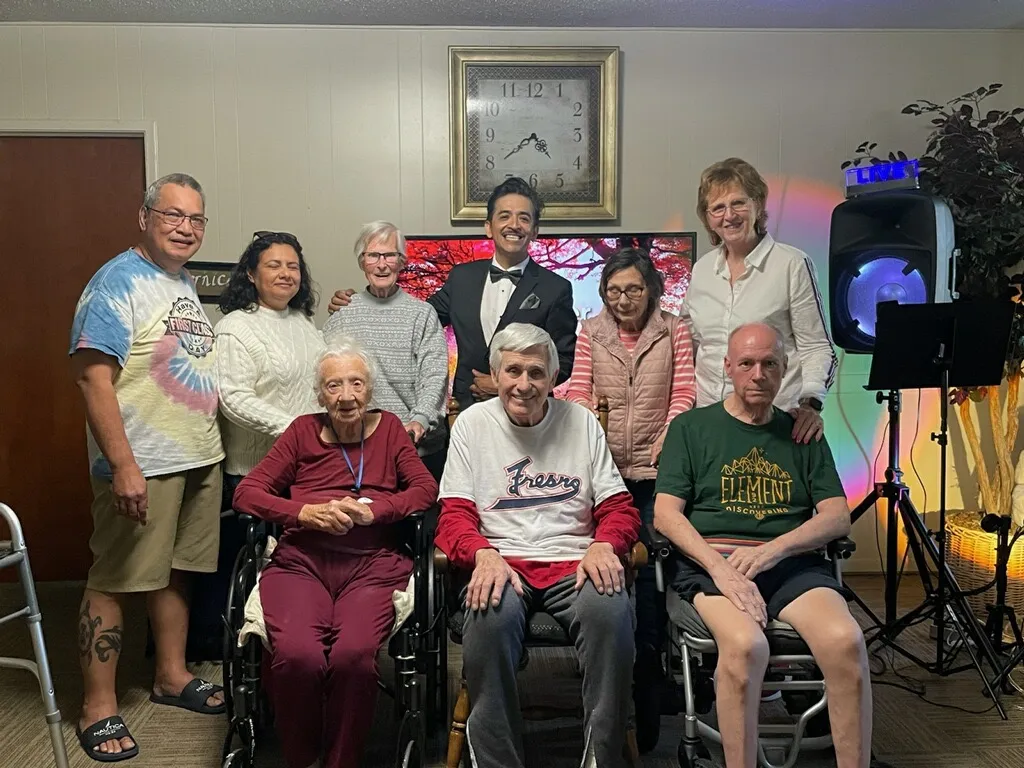
Evergreen Life Care Homes provides memory care and senior living support in Fresno through a residential, home-like approach. Its care environments are designed around individualized needs, with caregivers available to assist residents with daily routines and provide ongoing support.
























Sign in to leave a comment.