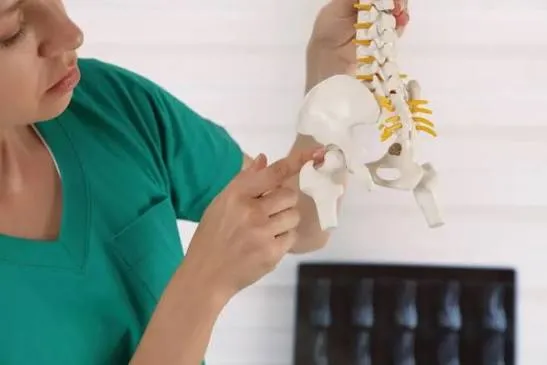

Your bones are living tissue that continuously remodels throughout life. As you move through your 30s and beyond, maintaining strong bones becomes increasingly important because bone health is influenced by physical activity, nutrition, hormones, lifestyle, medical conditions, and certain medications. Good bone health after 30 is not only about preventing osteoporosis later in life—it also supports mobility, strength, posture, balance, and an active lifestyle.
A healthy approach to bone care includes a balanced diet, adequate calcium and vitamin D, regular weight-bearing and resistance exercises, healthy lifestyle habits, and appropriate medical evaluation when risk factors or symptoms are present.
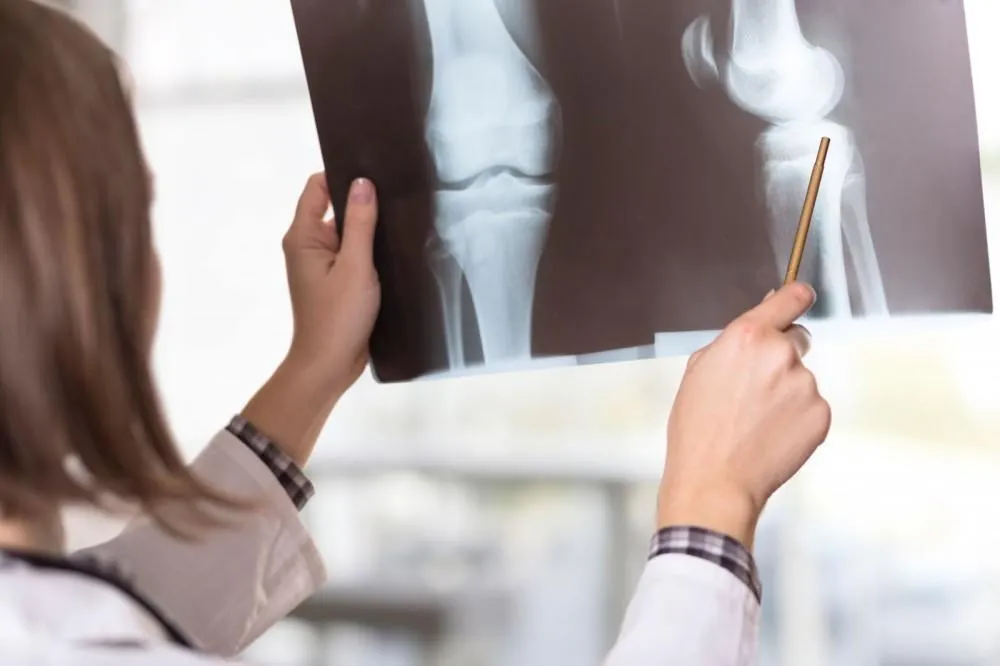
Key Nutrients for Bone Strength
Nutrition plays an important role in maintaining strong bones after 30. Calcium is a major mineral in bone, while vitamin D helps the body absorb calcium. For adults aged 19–50, the NIH lists a daily calcium intake of approximately 1,000 mg and vitamin D intake of 600 IU (15 mcg), although individual requirements can vary.
Good sources of calcium include milk, curd, cheese, calcium-fortified foods, tofu, and some leafy green vegetables. Vitamin D can be obtained from certain foods, fortified products, and sunlight exposure. Protein is also important because healthy muscles support movement and help protect the body from falls and injuries.
Instead of relying immediately on supplements, focus first on a balanced diet. If you have a deficiency, digestive condition, restricted diet, or another medical risk factor, discuss supplementation with your doctor.
Best Exercises for Bone Density
Regular physical activity is one of the most effective ways to support bone density and overall musculoskeletal health. Weight-bearing activities place healthy stress on bones, while resistance exercises strengthen the muscles that support your skeleton.
Useful bone-strengthening activities can include:
- Brisk walking
- Stair climbing
- Jogging, when appropriate
- Dancing
- Strength training with weights or resistance bands
- Body-weight exercises
- Balance exercises such as controlled step-ups and lunges
For generally healthy adults, physical-activity guidance includes at least 150 minutes of moderate-intensity activity per week or 75 minutes of vigorous activity, along with muscle-strengthening activities at least twice a week. Your exercise routine should be adjusted according to your age, fitness level, injuries, medical conditions, and bone health.
If you already have osteoporosis, low bone density, a previous fracture, or significant joint or back problems, consult a healthcare professional before beginning high-impact exercise.
Lifestyle Changes to Support Bone Health
Healthy bones depend on more than calcium. A bone-friendly lifestyle should include regular movement, adequate nutrition, healthy body weight, sufficient sleep, and avoidance of smoking. Excessive alcohol consumption can also increase osteoporosis risk.
Avoid spending long periods sitting without movement. If you have a desk-based routine, take regular movement breaks and incorporate walking and strength exercises into your week. Maintaining strong muscles can also improve balance and help reduce the risk of falls and fractures.
Extreme dieting and inadequate protein or nutrient intake may negatively affect bone health. A sustainable, balanced diet is generally more supportive of long-term bone and muscle health than restrictive eating patterns.
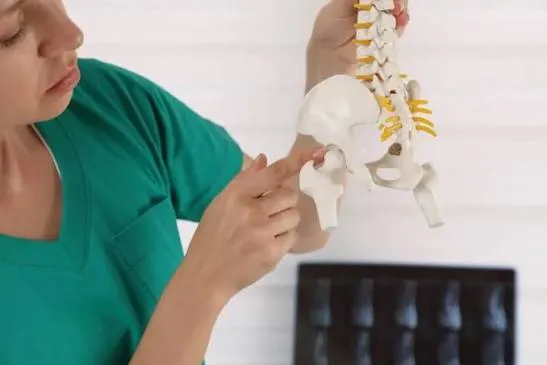
Common Bone Health Issues in Your 30s and Beyond
Many people assume that bone problems occur only in older adults, but bone health can be affected at any age. Low bone density, osteoporosis, stress injuries, fractures, joint problems, and vitamin D deficiency may occur in people with certain risk factors.
Osteoporosis is often called a “silent” disease because it may not cause noticeable symptoms until a fracture occurs. Risk can be influenced by factors such as low calcium or vitamin D intake, prolonged inactivity, certain hormonal conditions, some medications, smoking, excessive alcohol use, and certain medical conditions.
Persistent back pain, repeated fractures, unexplained bone pain, loss of height, or difficulty with normal movement should not be ignored. These symptoms do not automatically mean osteoporosis, but they may warrant medical evaluation.
Regular Screenings and Check-Ups for Bone Health
Bone-health screening is not automatically required for every person in their 30s. However, your doctor may recommend evaluation earlier than routine screening if you have significant risk factors, a history of fractures, certain medical conditions, or long-term use of medications that can affect bone strength.
A bone mineral density (BMD) test, commonly performed using a DXA/DEXA scan, measures bone mineral density and can help identify osteoporosis or low bone density.
Routine screening recommendations depend on age, sex, menopausal status, and individual fracture risk. For example, the U.S. Preventive Services Task Force recommends osteoporosis screening for women aged 65 and older and for postmenopausal women younger than 65 who have increased fracture risk. Individual medical advice may differ based on your health history.
Regular consultations with an orthopedic specialist can also help when you have persistent bone, joint, muscle, or spine-related symptoms.
Myths About Bone Health: Debunking Common
Misconceptions
Myth 1: Bone problems happen only after 60.
Bone diseases can occur at younger ages, particularly when risk factors such as certain medical conditions, medications, hormonal changes, inadequate nutrition, or prolonged inactivity are present.
Myth 2: Drinking milk alone guarantees strong bones.
Milk can provide calcium and may be part of a bone-healthy diet, but bone health also depends on vitamin D, physical activity, adequate nutrition, muscle strength, and other lifestyle factors.
Myth 3: Walking is enough for every aspect of bone health.
Walking is an excellent weight-bearing activity, but combining weight-bearing exercise with resistance and balance training can provide broader benefits for bones, muscles, and fall prevention.
Myth 4: If I have no pain, my bones must be healthy.
Some bone conditions, particularly osteoporosis, may not cause obvious symptoms until a fracture occurs. Risk assessment and appropriate screening are therefore important for people who have relevant risk factors.
Myth 5: Everyone should start calcium or vitamin D supplements.
Supplements are not automatically necessary for everyone. Dietary intake, blood levels when clinically appropriate, medical conditions, medications, and individual nutritional needs should be considered with guidance from a healthcare professional.
Conclusion
Taking care of your bones after 30 is an investment in your future mobility and independence. A combination of calcium- and vitamin D-rich nutrition, regular weight-bearing exercise, strength training, healthy lifestyle habits, and appropriate medical check-ups can help support strong bones and muscles throughout adulthood.
If you experience persistent bone pain, back pain, joint pain, recurrent fractures, difficulty walking, or other musculoskeletal concerns, consult an orthopedic specialist for an appropriate evaluation rather than ignoring the symptoms.
Dr. CP Gupta – Orthopedic Specialist in Lucknow focuses on the evaluation and management of a wide range of orthopedic, bone, joint, and musculoskeletal conditions. Early attention to bone and joint problems can help you maintain mobility and stay active at every stage of life.
Medical Disclaimer: This article is intended for general educational purposes and should not replace an individual medical consultation, diagnosis, or treatment plan.


























Sign in to leave a comment.