

Hair loss can affect people in different ways, from gradual thinning to clearly defined patches where hair stops growing. Understanding the underlying cause is important because alopecia is not one single condition, and treatment depends on its type, severity. For people researching hair loss alopecia glasgow, learning about the available assessment and treatment options can make the process easier to understand. A careful clinical evaluation can help identify whether hair changes relate to genetics, autoimmune activity, hormonal influences, nutritional concerns, stress, medication, or another underlying condition.
Common Causes of Hair Loss and Alopecia
Genetic and Hormonal Factors
Pattern hair loss is one of the most common causes of thinning in both men and women. It is influenced by genetics and sensitivity to hormones that affect hair follicles over time. Men may notice recession around the temples or thinning at the crown, while women often experience reduced density across the central scalp. Hormonal changes associated with ageing, pregnancy, menopause, or certain medical conditions can also influence hair growth. Recognising these patterns can help clinicians distinguish gradual hereditary loss from conditions requiring a different treatment approach.
Autoimmune Conditions
Alopecia areata is an autoimmune condition in which the immune system mistakenly targets hair follicles. It can cause smooth, round patches of hair loss that may develop quickly. Some people experience one isolated patch, while others develop multiple areas or more extensive loss. The condition can affect people of different ages and may sometimes involve eyebrows, eyelashes, or facial hair. Its course can be unpredictable, with periods of regrowth and recurrence. Professional assessment is useful because the appearance of the affected areas can help distinguish alopecia areata from other causes of patchy hair loss.
Temporary Shedding and Lifestyle Factors
Some hair loss occurs because the normal growth cycle is disrupted by physical or emotional stress. This can happen after significant illness, surgery, rapid weight loss, restrictive dieting, childbirth, or prolonged stress. The resulting shedding is often called telogen effluvium and may become noticeable several weeks or months after the triggering event. Nutritional deficiencies involving iron, vitamin D, zinc, or other nutrients can also contribute in some individuals. Identifying and addressing the underlying trigger may support recovery, although the timeline for renewed growth varies from person to person.
How Hair Loss Is Assessed
Clinical Examination
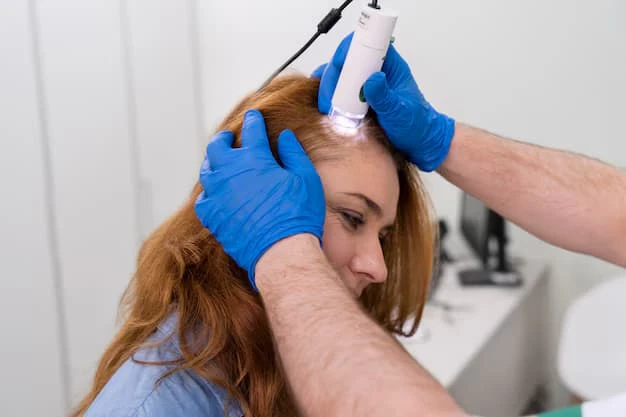
A detailed assessment usually begins with a discussion about when the hair loss started and how it has changed. A clinician may inspect the scalp closely to assess follicle openings, inflammation, scaling, redness, and the distribution of thinning or bald patches. Dermoscopy can provide additional visual information that is difficult to see with the unaided eye. Questions about family history, recent health changes, diet, medications, hormonal changes, and previous treatments can help build a clearer picture. This information can guide decisions about whether further testing or specialist evaluation is appropriate.
Medical Testing
Blood tests may be recommended when symptoms suggest an underlying medical or nutritional issue. Depending on the individual situation, testing may consider iron status, thyroid function, vitamin levels, hormone patterns, or other relevant markers. Not every person with hair loss needs extensive testing, so investigations are generally selected according to the clinical history and examination. If a scalp condition is suspected, further assessment may be required. A structured approach can prevent treatment from focusing only on the visible hair loss while overlooking a health factor that could be contributing to the problem.
Treatment Options for Alopecia
Topical and Medical Treatments
Treatment varies according to the diagnosis. Some people with pattern hair loss may be offered topical minoxidil to support hair growth and reduce progression. Products containing minoxidil are available in different strengths and formulations, and suitability should be considered before use. Some individuals may encounter products such as Regaine during their research, although treatment should still be selected according to professional advice. Other medical treatments may be considered for specific types of alopecia, particularly where inflammation or autoimmune activity is involved. Monitoring can help determine whether a chosen approach is producing useful changes.
Injectable and Regenerative Approaches
Some clinics offer procedures designed to support the appearance and density of thinning hair. Platelet rich plasma treatment uses components obtained from a person’s own blood and involves injecting a prepared concentration into selected areas of the scalp. Evidence for such approaches varies according to the condition being treated, and results are not guaranteed. The suitability of any procedure depends on the cause of hair loss, the condition of the scalp, and individual circumstances. A consultation can help explain expected benefits, limitations, possible side effects, and the number of sessions that may be considered.
Hair Transplantation
Hair transplantation may be considered when permanent hair loss has created areas with insufficient density and suitable donor hair is available. Modern techniques involve moving follicles from a donor region to areas affected by thinning or baldness. The procedure does not create new follicles, so the quality and availability of donor hair are important factors when assessing suitability. A detailed consultation should consider hair loss pattern, future progression, scalp condition, expectations, and overall goals. It is also important to understand that transplanted hair may require time to grow and mature before the final appearance becomes clear.
Supporting Healthy Hair Growth
Everyday Considerations
Hair growth can be influenced by overall health, so daily habits may form a useful part of a broader treatment plan. A balanced diet containing adequate protein, iron, healthy fats, vitamins, and minerals supports normal physiological processes involved in hair production. Gentle hair care can also reduce avoidable breakage caused by excessive heat, tight hairstyles, harsh chemical treatments, or vigorous brushing. Stress management, adequate sleep, and appropriate management of medical conditions may also be relevant. These measures cannot reverse every form of alopecia, but they can support scalp and hair health while treatment is considered.
When Professional Advice May Be Helpful
Hair loss deserves professional attention when it is sudden, rapidly progressing, associated with scalp discomfort, accompanied by other unexplained symptoms, or occurring in clearly defined patches. Early assessment can sometimes help identify reversible contributors and provide a clearer understanding of what may happen next. People should avoid assuming that every type of hair loss requires the same treatment because approaches suitable for hereditary thinning may not be appropriate for autoimmune or inflammatory conditions. A personalised evaluation can also help establish realistic expectations and identify whether medical treatment, procedural options, observation, or further investigation is most appropriate.
Conclusion
Understanding the causes of alopecia is an important step toward choosing an appropriate approach to hair loss. Genetic pattern changes, autoimmune conditions, temporary shedding, nutritional concerns, hormonal factors, and medical issues can all produce different patterns that require different forms of management. A professional assessment can help identify the likely cause and explain available options, including topical treatments, medical therapies, regenerative procedures, or hair transplantation where appropriate. For people seeking structured guidance and personalised support, Este Medical Group can provide an opportunity to discuss concerns, understand treatment possibilities, and plan the next steps with greater clarity.



























Sign in to leave a comment.