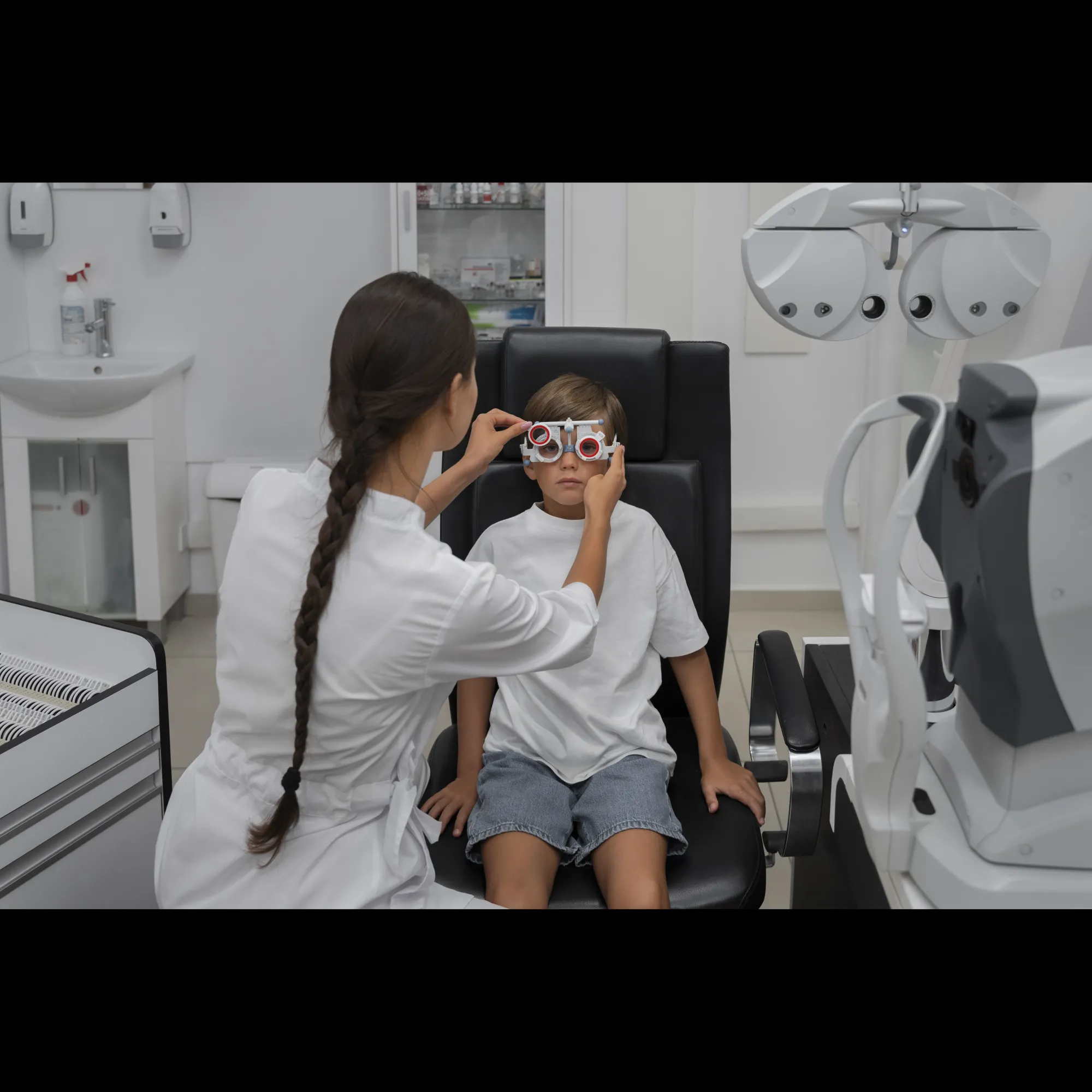

Children’s vision plays an important role in learning, communication, coordination, and overall development. However, young children may not always recognise or communicate that they are having difficulty seeing. Some vision problems can also develop gradually without obvious symptoms. This makes awareness, regular eye examinations, and timely professional evaluation important parts of childhood healthcare.
When parents notice unusual visual behaviour or concerns about their child’s eyesight, consulting a child eye specialist can help identify potential problems at an early stage. A paediatric eye professional is trained to assess the visual needs of infants, children, and adolescents and can recommend appropriate care based on the child’s age, symptoms, and eye health.
Recognising Signs of Vision Problems in Children
Identifying an eye problem in a child can sometimes be difficult because children may not know that their vision is different from normal. Parents and caregivers can therefore pay attention to changes in everyday behaviour.
Frequent eye rubbing, squinting, tilting the head, sitting unusually close to the television, or holding books very close to the face may indicate difficulty seeing clearly. Children who avoid reading, drawing, or other visually demanding activities may also need an eye examination. Other signs can include difficulty reading the blackboard, problems with hand-eye coordination, blurred or double vision, excessive tearing, redness, or crossed eyes.
A child who frequently complains of headaches or struggles to follow objects may also benefit from a professional assessment. These signs do not necessarily indicate a serious eye disorder, but they should not be ignored if they occur repeatedly.
Common Eye Conditions in Children
Children can experience several types of eye conditions. Refractive errors, for example, occur when the eye does not focus light correctly on the retina, resulting in blurred vision. Depending on the type and severity of the refractive error, glasses may be recommended.
Strabismus, commonly called squint, occurs when the eyes are not properly aligned and may point in different directions. If left unaddressed, certain forms of strabismus can affect normal visual development.
Amblyopia, often referred to as lazy eye, is another childhood vision condition. It occurs when one eye develops weaker vision than the other, even though the eye may appear normal. Early identification and appropriate treatment can be important because the visual system continues developing during childhood.
Children can also develop cataracts, allergic eye conditions, and, rarely, serious disorders such as retinoblastoma. The symptoms and treatment requirements vary considerably between conditions, which is why professional diagnosis is essential rather than relying only on visible symptoms.
Why Early Eye Examinations Matter
Early identification of vision problems can help reduce the possibility of long-term visual complications. A child may adapt to blurred vision or poor vision in one eye without complaining, allowing the problem to remain unnoticed.
Routine eye examinations provide an opportunity to assess visual development and identify refractive errors, eye alignment problems, amblyopia, and other concerns. According to Arohi Eye Hospital’s paediatric ophthalmology guidance, children can have an initial eye examination during infancy, followed by assessments during the preschool years and before starting school. Earlier evaluation may be appropriate when parents notice unusual visual behaviour or other concerns.
Regular examinations can be particularly useful when there is a family history of childhood eye conditions or when a child has previously been diagnosed with a vision problem.
Supporting Healthy Vision at Home
Parents can take several practical steps to support their child’s eye health. Children should be encouraged to spend time outdoors, maintain a balanced diet, and follow healthy screen habits. Reading and study areas should have suitable lighting to make visual tasks more comfortable.
Children should also be discouraged from rubbing their eyes, particularly when they experience itching or irritation. During sports or activities where eye injuries are possible, appropriate protective eyewear can provide additional protection.
If a child already wears glasses or has been prescribed treatment, parents should encourage consistent use and attend recommended follow-up appointments. Regular monitoring allows changes in vision to be identified and managed appropriately.
Creating a Comfortable Eye Examination Experience
Some children may feel nervous about visiting an eye doctor, especially if they do not understand what will happen during an examination. Parents can make the experience easier by explaining the appointment using simple and positive language.
Children can be reassured that an eye examination is designed to understand how well they see and whether their eyes are developing normally. Bringing their existing glasses or relevant medical information can also help the eye-care professional understand their history.
A paediatric ophthalmology team may use age-appropriate methods to evaluate visual acuity, eye movements, alignment, and other aspects of eye health. The approach can be adapted according to the child's age and ability to cooperate during the examination.
When Should Parents Seek Professional Care?
Parents should consider arranging an eye examination if a child frequently squints, holds objects close to the face, struggles to see distant objects, has crossed eyes, experiences persistent redness or watering, or shows difficulty with visually demanding activities.
Sudden changes in vision, significant eye pain, an eye injury, or unusual changes in the appearance of the eye require prompt medical attention. Children with known eye conditions should also follow the monitoring schedule recommended by their ophthalmologist.
Arohi Eye Hospital provides paediatric ophthalmology services for children and adolescents, including evaluation and management of common childhood vision problems. Its paediatric eye-care team focuses on early diagnosis, personalised treatment, and a child-friendly approach to examinations.
If you have noticed changes in your child’s vision or behaviour, consider scheduling a comprehensive eye examination rather than waiting for the symptoms to become more noticeable. Early professional guidance can help parents understand their child’s visual needs and appropriate treatment options. For families looking for specialised paediatric eye care, consulting a best eye surgeon in Mumbai can be one part of finding appropriate guidance for a child’s individual vision needs.
























Sign in to leave a comment.