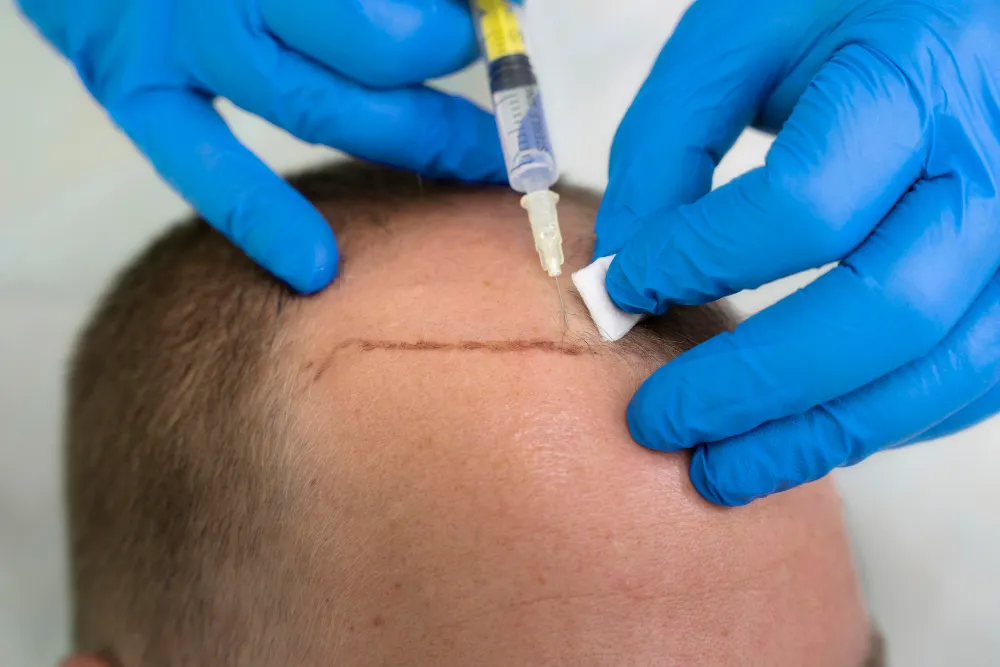

Hair thinning and reduced hair density can develop for many different reasons, including genetics, ageing, hormonal changes, nutritional factors, and other underlying influences. Individuals noticing changes in their hair may explore several treatment approaches before deciding which option to investigate further. Platelet rich plasma treatment is one procedure discussed within modern hair restoration care. For individuals researching Hair Loss PRP Treatment in Derby, understanding the consultation process, treatment approach, possible benefits, limitations, recovery, and realistic expectations can help support an informed decision before arranging an appointment.
Understanding PRP Hair Treatment
Platelet rich plasma, commonly known as PRP, is an injectable treatment that uses a concentrated portion of an individual’s own blood. During the procedure, a blood sample is collected and processed before the prepared plasma is introduced into selected areas of the scalp. The treatment is intended to support the scalp environment and may be considered for certain types of hair thinning. PRP is not a guaranteed solution for every cause of hair loss. A professional assessment is therefore important before treatment is recommended.
Exploring Why Hair Loss Occurs
Hair loss can have numerous causes, and identifying the underlying reason is an important part of treatment planning. Genetic pattern hair loss is common, while hormonal changes, nutritional deficiencies, stress, certain medications, and medical conditions can also influence hair growth. The pattern, speed, and location of hair loss may provide useful information during assessment. A practitioner may recommend further medical evaluation when appropriate. Understanding the cause helps determine whether PRP may be relevant or whether another form of treatment or specialist investigation should be considered.
Assessing Treatment Suitability
PRP treatment is not automatically suitable for every individual experiencing hair thinning. A consultation may consider the pattern and extent of hair loss, scalp condition, medical history, medications, previous treatments, and overall expectations. The practitioner may also discuss whether there is sufficient existing hair activity for the treatment approach being considered. Individuals with certain medical circumstances may require additional assessment before proceeding. Suitability should therefore be established through professional evaluation rather than relying on general treatment descriptions or photographs of other people’s results.
Preparing for Consultation
A consultation provides an opportunity to discuss hair loss concerns and understand the available treatment options. Individuals may be asked about when thinning began, how quickly it has progressed, previous treatments, family history, medications, and relevant health information. Photographs or scalp assessments may also help document the current condition. Clear information about treatment goals is useful because expectations can differ between individuals. The practitioner can then explain whether PRP may be appropriate, what the procedure involves, and whether further investigation or another treatment approach should be considered.
Understanding the PRP Process
The PRP process generally begins with collecting a small blood sample from the individual. The sample is then processed to separate and concentrate the platelet rich portion of the plasma. This prepared material is subsequently introduced into selected areas of the scalp using an appropriate injection technique. The precise process can vary between practitioners and treatment protocols. Individuals should receive an explanation of each stage before treatment begins. Understanding how the procedure works can help establish realistic expectations and clarify why multiple appointments may sometimes form part of a treatment plan.
Understanding Scalp Assessment
Before injections are performed, the scalp may be examined to identify areas of thinning and understand the overall pattern of hair loss. The practitioner may assess hair density, scalp condition, and areas where treatment could potentially be considered. This evaluation can help create a more individualised treatment plan. In some situations, the findings may indicate that PRP is not the most suitable option. A careful assessment is therefore valuable because it helps distinguish between different types of hair loss and supports appropriate treatment recommendations based on individual circumstances.
Considering Potential Benefits
PRP may be considered by some individuals as part of an approach to managing certain forms of hair thinning. Potential aims can include supporting the scalp environment and encouraging healthier looking hair growth over time. However, responses vary considerably, and treatment cannot guarantee a specific amount of regrowth or density. The potential benefit may depend on the underlying cause of hair loss, the individual’s existing hair condition, treatment protocol, and other factors. Practitioners should explain realistic possibilities rather than presenting PRP as a guaranteed solution.
Understanding Treatment Sessions
PRP hair treatment may involve a series of sessions rather than one isolated appointment, depending on the individual treatment plan. The number and spacing of appointments can vary according to the practitioner’s assessment and the individual’s response. During each session, the prepared plasma is introduced into selected scalp areas. Some temporary tenderness, redness, swelling, or discomfort may occur around injection sites. Individuals should receive clear information about the expected process before starting a treatment course. The practitioner can also explain whether maintenance sessions may be considered later.
Considering Treatment Timing
Timing can be relevant when planning PRP treatment, particularly for individuals managing work commitments, travel, social events, or other appointments. Temporary scalp sensitivity or redness may occur following injections, although recovery experiences vary. Scheduling treatment with sufficient time for these effects to settle can be practical. Individuals should also disclose other recent or planned scalp treatments so that timing can be considered appropriately. A practitioner can provide specific guidance based on the planned procedure and individual circumstances, helping establish a realistic schedule for treatment and subsequent assessment.
Understanding Possible Side Effects
Temporary side effects may include scalp tenderness, mild swelling, redness, bruising, or discomfort around injection sites. These effects can vary according to individual sensitivity and the treatment technique used. As with any procedure involving injections, infection or other complications are possible, although serious problems are not typical. Individuals should receive clear information about symptoms that may require professional attention. Any unusual, persistent, or worsening reaction should be reported promptly. Discussing potential side effects before treatment helps individuals understand what may occur during recovery and supports informed consent.
Following Aftercare Guidance
Aftercare instructions can vary depending on the treatment protocol and individual circumstances. Practitioners may provide guidance concerning scalp care, washing, exercise, hair products, and other activities during the initial recovery period. Individuals should follow the specific instructions provided rather than relying on general advice found online. Monitoring the scalp after treatment is also important. If unexpected symptoms develop, professional advice should be sought promptly. Clear aftercare guidance can help individuals understand the recovery process and recognise when a reaction appears different from the temporary effects that may normally occur.
Understanding Result Development
PRP does not usually provide an immediate visible transformation in hair density. Hair growth is a gradual biological process, so any changes may take time to become noticeable. The timeframe can vary according to the individual, underlying cause of hair loss, treatment plan, and response to the procedure. Photographs taken at consistent intervals may help document changes over time when recommended by the practitioner. It is important to avoid judging the treatment too quickly because early stages may not accurately reflect the eventual response to a completed treatment course.
Considering Treatment Longevity
The duration of any improvement following PRP treatment can vary considerably between individuals. Hair growth patterns may continue to be influenced by the underlying cause of hair loss, genetics, hormones, ageing, and other factors. Some treatment plans may therefore involve maintenance sessions after an initial course. The appropriate schedule should be determined by a qualified practitioner rather than following a universal timetable. Understanding the potential need for ongoing care is useful when considering the practical and financial commitment involved in PRP treatment for hair thinning.
Comparing PRP With Other Options
PRP is one of several approaches that may be considered for hair loss. Depending on the underlying cause, individuals may also discuss prescription treatments, topical products, hair transplantation, low level light approaches, or specialist medical assessment. Each option has different mechanisms, suitability criteria, evidence, risks, and expectations. A practitioner can explain which approaches may be relevant to the individual’s circumstances. Comparing treatments can help individuals understand their choices without assuming that one procedure is appropriate for every form of hair loss or every stage of hair thinning.
Considering Realistic Expectations
Realistic expectations are important when considering any hair restoration treatment. PRP may support improvements for some suitable individuals, but outcomes can vary and complete restoration of lost hair should not be assumed. Factors such as the cause of hair loss, existing follicle activity, treatment timing, and individual response can influence results. A professional consultation should explain both potential benefits and limitations. Individuals should also understand that gradual changes may be more realistic than immediate transformation. Clear expectations can support a more balanced understanding of what treatment may achieve.
Reviewing Practitioner Experience
Practitioner experience can be an important consideration when researching injectable scalp treatments. Individuals can ask about relevant qualifications, professional registration, training, experience with PRP procedures, and the treatment protocol being offered. It can also be useful to understand how the practitioner assesses hair loss before recommending treatment. Transparent information about the procedure and potential risks can support informed decision making. Photographs of previous patients may demonstrate examples, but they should not be interpreted as guarantees because every individual responds differently to treatment.
Maintaining Scalp Health
Healthy scalp care can form part of a broader approach to managing hair concerns. Gentle cleansing, appropriate hair care, balanced nutrition, and attention to changes in the scalp may support general wellbeing, although these measures cannot address every cause of hair loss. Individuals experiencing persistent or unexplained thinning should consider professional assessment to identify possible underlying factors. PRP should not be viewed as a replacement for medical investigation when symptoms suggest another condition. Understanding the wider context of scalp and hair health can support more appropriate treatment planning.
Asking Important Questions
Before booking PRP treatment, individuals can ask about practitioner qualifications, the cause of the suspected hair loss, treatment suitability, number of sessions, expected results, possible side effects, aftercare, and maintenance requirements. Questions about how progress will be monitored can also be useful. Individuals may wish to understand whether other treatments or medical investigations should be considered. A consultation should provide enough time for these matters to be explained clearly. Anyone who remains uncertain can take additional time to consider the information before committing to a treatment course.
Planning Follow Up Care
Follow up appointments can help practitioners assess how the scalp is responding and determine whether additional treatment may be appropriate. Progress can be reviewed using clinical assessment and, where suitable, consistent photographs or other documentation. Follow up care also provides an opportunity to discuss unexpected reactions or concerns. The timing of assessments varies according to the treatment plan and individual circumstances. Maintaining communication with the practitioner can help ensure that future decisions are based on observed progress rather than assumptions about how the treatment should perform.
Conclusion
PRP hair treatment can be considered as one possible approach for selected types of hair thinning, but suitability and outcomes vary between individuals. Understanding the underlying cause of hair loss, completing a professional assessment, discussing realistic expectations, and learning about treatment sessions, recovery, possible side effects, and maintenance can support informed planning. Individuals should also consider alternative options when appropriate and seek medical assessment for unexplained or persistent hair loss. Those exploring hair restoration services can consult Facial Perfection to discuss their concerns and understand whether PRP may be suitable for their individual circumstances.

























Sign in to leave a comment.