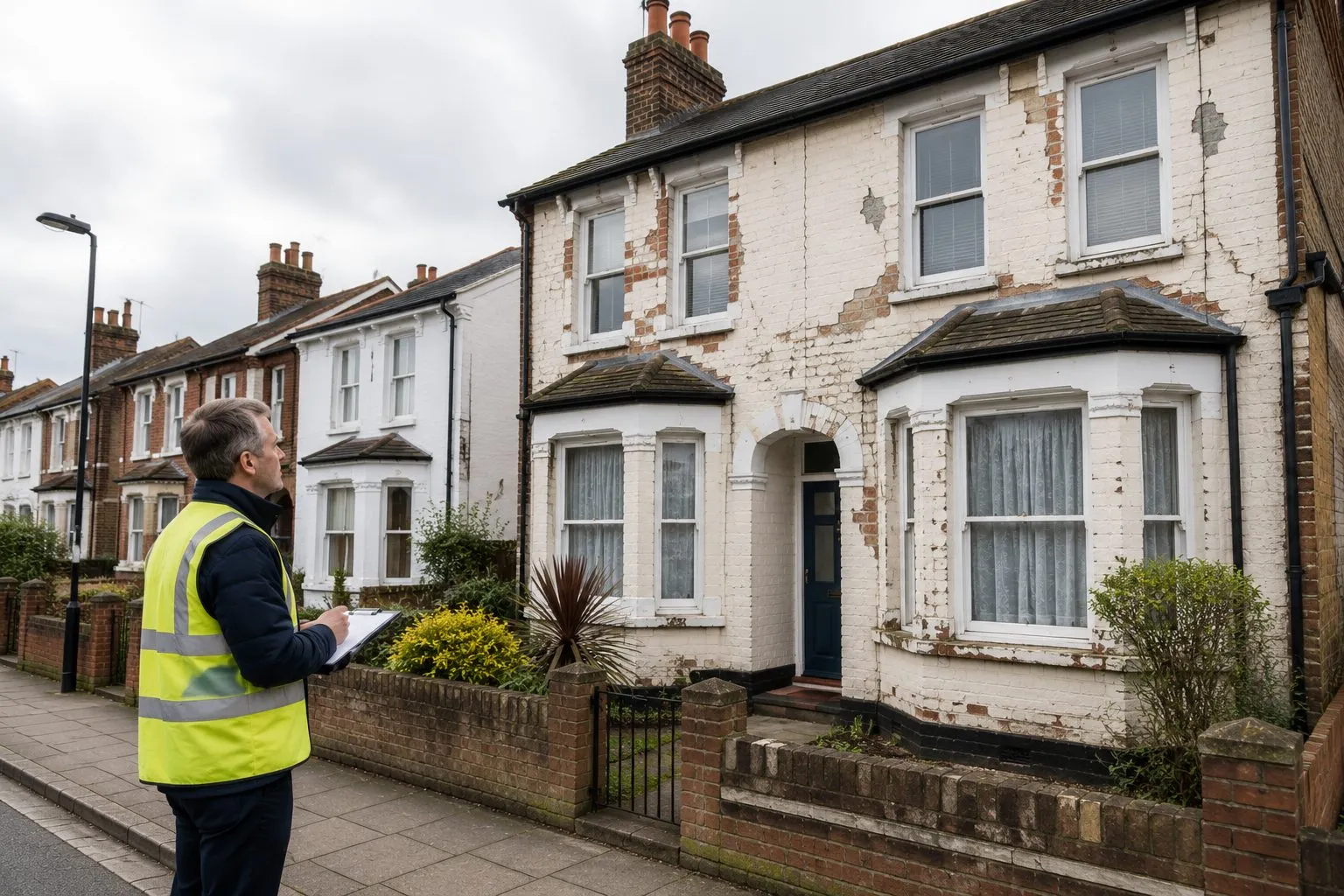

Whether you are a tenant asserting your right to a safe living environment or a prospective buyer navigating a real estate evaluation, understanding the structural and physical condition of a property is critical. A house disrepair survey serves as a comprehensive health check for a building, pinpointing existing defects, safety hazards, and necessary home maintenance.
What is a House Disrepair Survey?
A house disrepair survey is a detailed property inspection conducted by a qualified surveyor to assess defects, structural decay, or safety hazards within a residential property. Unlike a standard market valuation which merely estimates monetary value for mortgage lenders a disrepair survey inspects the physical integrity of the structure, fixtures, and surrounding grounds.
The surveyor compiles these observations into an extensive building condition report. This report highlights areas where the property fails to meet legal standards, statutory fitness criteria, or sound structural health, offering an unbiased overview of necessary repairs.
Why Do You Need a House Disrepair Survey?
Conducting a disrepair survey is essential for both buyers and tenants, offering legal, physical, and financial protection.
For Homebuyers: Cost-Benefit Analysis
Buying a home without a thorough disrepair survey carries significant financial risk. Unseen structural defects can result in catastrophic costs after closing.
An upfront investment in a survey provides critical leverage:
- Renegotiation Power: You can lower your offer to match necessary repair costs.
- Contractual Stipulations: You can require the current owner to rectify issues before completion.
- Budgeting Foresight: It prevents unexpected financial strain shortly after moving in.
For Tenants: Enforcing Rights & Responsibilities
In rented accommodation, a disrepair survey acts as legal evidence. Every tenant has tenant rights to a property that is safe, dry, and structurally sound. Conversely, landlords have legal obligations to maintain the building's exterior, heating, sanitation, and structural elements.
When a landlord ignores maintenance requests, an independent disrepair report proves the existence, duration, and severity of the issues. This document is central to disrepair claims, compensation recovery, or local authority enforcement actions.
Common Issues Identified in House Disrepair Surveys
Surveyors routinely uncover defects ranging from aesthetic issues to severe structural hazards.
1. Damp and Mold
Persistent moisture is one of the most common causes of property deterioration. Surveyors distinguish between:
- Rising Damp: Moisture pulled up through walls from the ground due to a failed damp-proof course.
- Penetrating Damp: Water entering through exterior wall cracks or poor pointing.
- Condensation Mold: Fungal growth caused by inadequate ventilation and insulation.
2. Structural Issues
Surveyors check for signs of movement, such as foundation settlement or subsidence. Cracks near window frames, bowing walls, or sloping floors indicate active structural distress that requires engineering interventions.
3. Roof Damage
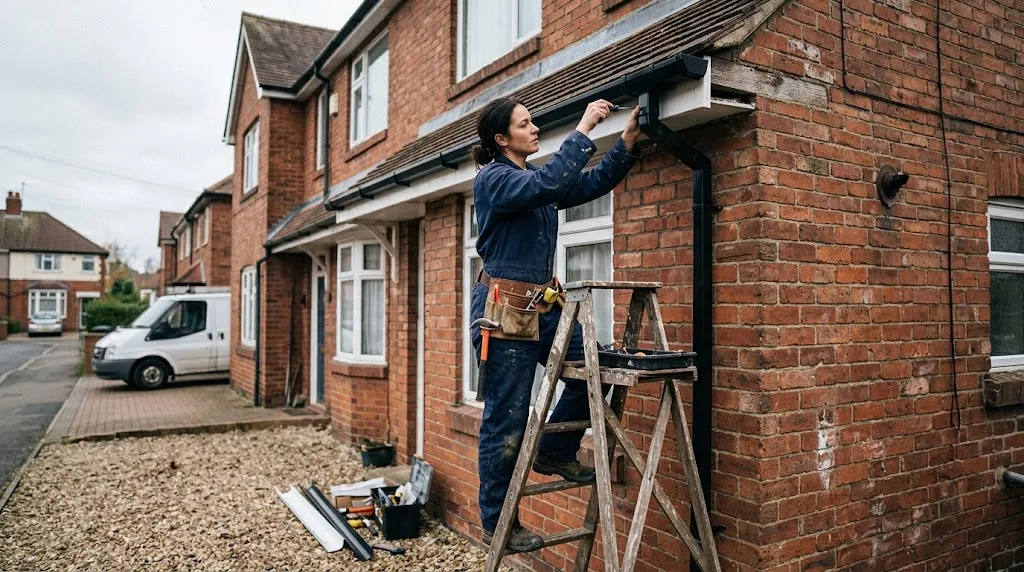
Visual checks via binoculars or drones look for slipped slates, damaged flashing, or deteriorated mortar on chimneys. Inadequate roof drainage often causes severe internal water ingress.
4. Electrical Problems
Faulty wiring, outdated fuse boxes, and ungrounded circuits pose major fire risks. Surveyors check whether the electrical systems meet current building regulations.
5. Plumbing Issues
Inspections cover leaky pipes, low water pressure, aging boilers, and inadequate drainage. Undetected leaks can silently rot timber subfloors over time.
6. Pest Infestation
Signs of pests—including rodents, wood-boring beetles (woodworm), or pigeons—pose health hazards and cause severe damage to timber structural elements and electrical insulation.
7. Fire Safety Deficiencies
Missing smoke alarms, non-compliant fire doors, blocked egress points, or combustible cladding are critical concerns highlighted during inspections.

How to Prepare for a House Disrepair Survey
Proper preparation helps the surveyor conduct a thorough inspection without unnecessary delays.
1.Ensure Unobstructed Access:
Clear pathways to loft hatches, basements, utility meters, boilers, and electrical panels. Move furniture away from external walls where damp is suspected.
2.Gather Key Documentation:
Compile appliance service records, electrical certificates (EICRs), warranties for past damp proofing or roof repairs, and previous inspection reports.
3.Secure Pets and Tenants:
Ensure pets are contained or removed from the premises during the inspection to allow the surveyor to work safely.
4.Document Existing Concerns:
Provide a concise list of known past issues, such as historical leaks or recurring condensation, so the surveyor can evaluate them directly.
The Survey Process: What to Expect
During the physical walkthrough, surveyors use specialized tools:
- Probing Moisture Meters: To measure water saturation in walls, floors, and timber.
- Thermal Imaging Cameras: To identify insulation gaps, cold bridges, and hidden leaks.
- Borescopes: To inspect cavities behind walls and floor voids.
Interpreting the Survey Results
A building condition report uses standard rating systems to categorize urgency:
| Condition Rating | Priority Level | Description | Action Required |
|---|---|---|---|
| Condition Rating 1 | Low | Routine maintenance; no immediate repair needed. | Monitor during regular home maintenance. |
| Condition Rating 2 | Medium | Defects requiring repair or replacement but not severe or urgent. | Plan and budget for repairs in the short term. |
| Condition Rating 3 | Urgent / High | Serious defects requiring immediate attention or further investigation. | Urgent repair required; negotiate cost or enforce rights. |
Focus on Condition Rating 3 issues first. When an issue is flagged as needing "Further Specialist Investigation" (e.g., a structural engineer or timber specialist), complete those assessments before finalizing property transactions or legal claims.
Next Steps After Receiving Your Survey Report
Addressing issues identified in a disrepair report depends on your status as a buyer, homeowner, or tenant.
Action Plan for Homebuyers
- Calculate Financial Impact: Obtain formal quotes from accredited contractors for all Condition Rating 3 defects.
- Reopen Negotiations: Present the report to the seller’s agent to request a price drop or ask the seller to complete repairs before closing.
- Walk Away if Necessary: If structural repairs exceed your budget or risk tolerance, leverage survey contingencies to withdraw from the purchase safely.
Action Plan for Tenants
- Formally Notify Your Landlord: Send a written letter attaching the disrepair report, setting a clear deadline (typically 14–28 days) for repairs.
- Escalate to Local Authorities: If the landlord fails to act, send the report to your local council’s Environmental Health department for enforcement.
- Legal Redress: Work with a housing solicitor to initiate a legal disrepair claim for repairs and potential compensation.
Frequently Asked Questions
How much does a house disrepair survey cost?
Costs vary based on property size, location, and survey detail, typically ranging from £400 to £1,000+. For legal disrepair claims, these costs may be recoverable from the responsible party.
What is the difference between a building survey and a disrepair survey?
A building survey evaluates overall condition, age, and maintenance requirements for potential buyers. A disrepair survey specifically documents neglected maintenance, structural breaches, and housing standard failures often for legal enforcement or compensation claims.
Can a landlord refuse to carry out repairs in the survey?
Landlords are legally required to maintain structural elements, heating, hot water, and sanitation under housing regulations. If a landlord ignores an independent report, enforcement agencies can issue legally binding improvement notices.
How long does a disrepair survey report take to complete?
The physical inspection typically takes 2 to 4 hours. The formal written report is usually delivered within 3 to 7 business days.
Final Thoughts: Protecting Your Investment and Rights
A house disrepair survey is ultimately your single best tool for removing guesswork from property care and housing rights.
Whether you are using the report to renegotiate a purchase price, protect your financial investment, or hold a negligent landlord legally accountable, the survey transforms vague concerns into documented, objective evidence. Taking prompt, structured action on the findings prioritizing severe safety hazards first ensures the property remains safe, habitable, and structurally sound for years to come.





























Sign in to leave a comment.