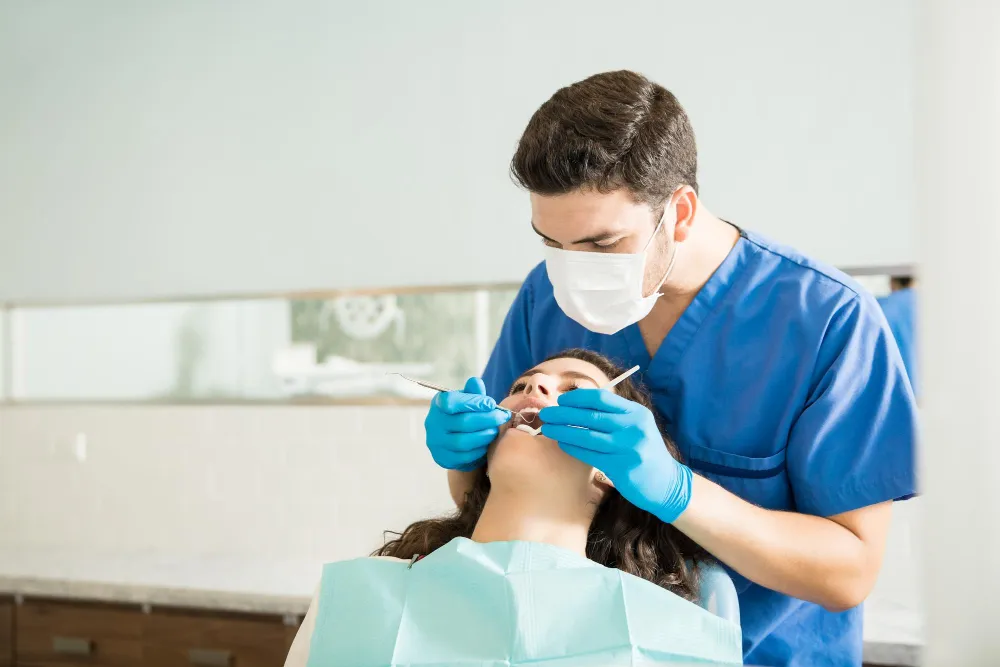

Maintaining healthy teeth and gums involves more than brushing each day. Regular professional care can help individuals understand their oral health, identify developing concerns and receive suitable advice for maintaining a healthy smile. People of different ages may require different types of support depending on their dental history, habits and changing needs. A dental clinic can provide a central point for preventive care, examinations and appropriate treatment when concerns arise. Regular appointments can also encourage individuals to take a proactive approach to oral health rather than waiting until pain or discomfort becomes difficult to ignore.
The Importance of Regular Dental Care
Regular dental care can support the long term health of the teeth, gums and mouth. Professional examinations allow dental professionals to assess oral health and identify changes that may not always be noticeable to the individual. Routine appointments can also provide opportunities to discuss brushing, interdental cleaning, diet and other everyday habits. The appropriate frequency of dental visits varies between individuals according to their oral health and risk factors. Consistent professional support can therefore form an important part of an ongoing approach to maintaining a healthy smile.
Monitoring Oral Health
Dental examinations can provide a detailed assessment of the condition of the teeth and gums. A dentist may look for signs of decay, gum problems, damage or other changes that require attention. Regular monitoring can make it easier to identify concerns at an earlier stage. Individuals should also contact their dental provider if they experience persistent pain, swelling, bleeding or unusual changes between routine appointments. Professional assessment can help determine whether further treatment or additional preventive advice is appropriate.
Supporting Preventive Dental Care
Preventive care focuses on reducing the likelihood of avoidable dental problems through regular examinations and effective daily routines. Brushing twice a day with fluoride toothpaste and cleaning between the teeth can help remove plaque and support healthy gums. Professional advice can help individuals understand whether their existing routine is effective and whether adjustments could be beneficial. Preventive appointments can also provide an opportunity to discuss dietary choices and other lifestyle factors that may influence oral health over time.
Encouraging Better Daily Habits
Dental professionals can demonstrate suitable brushing and interdental cleaning techniques based on individual needs. Some people may benefit from advice about toothbrush selection, while others may need guidance on cleaning around dental appliances or restorations. Children may require age appropriate support as they learn to care for their teeth independently. Practical advice can make daily routines easier to follow. When individuals understand why particular habits matter, they may be more likely to maintain them consistently.
Supporting Healthy Gums
Healthy gums are an important part of good oral health. Plaque that remains around the gumline can contribute to gum inflammation and disease if it is not removed effectively. Dental examinations allow professionals to assess the condition of the gums and identify signs that may require attention. Individuals should not ignore persistent bleeding, swelling or tenderness. Addressing gum concerns early can help prevent them from becoming more difficult to manage and can support the overall health of the mouth.
Recognising Gum Problems
Changes in the gums can sometimes develop gradually. Redness, swelling, bleeding during brushing, persistent bad breath or tenderness may indicate that professional advice is appropriate. Individuals should discuss these symptoms with a dentist rather than assuming they will disappear without attention. A dental professional can assess the gums and provide suitable guidance. Improving brushing and cleaning between teeth may form part of the recommended approach, although treatment will depend on the individual's specific condition.
Identifying Tooth Decay
Tooth decay can develop when acids produced by bacteria damage the hard surfaces of teeth. Frequent consumption of sugary foods and drinks can increase the risk, particularly when combined with inadequate oral hygiene. Regular dental examinations can help identify early changes and determine whether treatment is necessary. Preventive advice can also help individuals understand how diet and daily cleaning affect their risk. Addressing decay at an appropriate stage may help prevent more extensive damage to the tooth.
Understanding Early Signs
Tooth decay does not always cause noticeable symptoms during its early stages. As it progresses, individuals may experience sensitivity, discomfort or pain, particularly when consuming hot, cold or sweet foods. A dental examination can identify concerns that may not yet be causing symptoms. People should seek professional advice if they notice persistent sensitivity or other changes. Early assessment can help determine the cause and establish whether preventive care, monitoring or treatment is required.
Providing Appropriate Dental Treatment
When a dental problem is identified, a dental clinic can provide or arrange suitable treatment based on the individual's needs. Treatment may include restorative procedures, gum care or other forms of dental support. The appropriate approach depends on the condition of the teeth, the extent of the problem and the patient's preferences. Clear communication is important throughout the process. Patients should have an opportunity to understand why treatment is recommended and discuss relevant options before proceeding.
Explaining Treatment Choices
Dental treatment can involve different options depending on the problem being addressed. A dentist can explain the purpose of a recommended procedure, what it involves and what alternatives may be available. Patients can also ask about expected outcomes, potential risks and costs. Understanding these factors can help individuals make informed decisions about their care. Open communication can also reduce uncertainty and make the treatment process easier to understand.
Supporting Children’s Oral Health
Children can benefit from professional dental support as their teeth and mouth develop. Early visits can help children become familiar with dental appointments and learn about suitable brushing habits. Parents and carers can receive advice about cleaning young children's teeth, dietary choices and other aspects of preventive care. As children grow, dental professionals can monitor changes and provide age appropriate guidance. Establishing positive dental experiences early may encourage children to continue prioritising oral health as they become more independent.
Building Positive Dental Habits
Parents can support children by making brushing part of a consistent daily routine. Younger children may need supervision to ensure that their teeth are cleaned effectively. As children develop, they can gradually take more responsibility while continuing to receive appropriate guidance. Dental appointments can reinforce these habits by explaining oral health in an accessible way. Positive experiences can also help children feel more comfortable attending future appointments and asking questions about their teeth.
Supporting Teenagers and Young Adults
Teenagers and young adults may experience changes in routines, diet and responsibilities that can influence oral health. Busy schedules can sometimes lead to inconsistent brushing or frequent consumption of sugary drinks and snacks. Dental appointments provide an opportunity to discuss these habits and encourage greater independence. Individuals undergoing orthodontic treatment may also need specific cleaning advice. Developing effective routines during adolescence can help establish habits that continue into adulthood.
Encouraging Independent Care
As young people become more independent, they can take greater responsibility for brushing, interdental cleaning and attending dental appointments. Parents can continue to encourage healthy routines without managing every aspect of dental care. Dental professionals can provide direct guidance about the consequences of poor oral hygiene and frequent sugar consumption. Helping teenagers understand the reasons behind recommendations can make it easier for them to make informed choices and maintain their oral health independently.
Supporting Adults Through Changing Needs
Adults can experience a wide range of dental needs throughout life. Work commitments, family responsibilities and changing lifestyles may influence how consistently they attend appointments. Regular dental care can help adults monitor existing conditions, maintain healthy gums and address new concerns. People who have fillings, crowns, bridges or other dental work may also benefit from regular professional assessment. Maintaining oral hygiene at home remains important alongside professional care, even when the teeth appear healthy.
Managing Busy Schedules
Finding time for dental appointments can be challenging for people with demanding schedules. Planning routine examinations in advance can make appointments easier to fit around work and family commitments. Choosing a conveniently located provider may also help. The important consideration is to avoid allowing busy routines to result in dental care being postponed indefinitely. Regular preventive care can help maintain oral health and may reduce the likelihood of needing urgent attention later.
Supporting Older Adults
Oral health needs can change with age. Older adults may experience dry mouth, gum changes, tooth wear or difficulties maintaining previous cleaning routines. Some medicines can contribute to dry mouth, while reduced dexterity may make brushing or interdental cleaning more challenging. Regular dental appointments provide an opportunity to discuss these changes and receive appropriate guidance. Adaptations to daily routines may help older individuals continue maintaining their oral health comfortably and effectively.
Adapting Oral Hygiene
Older adults may benefit from practical changes to their oral hygiene routine. A toothbrush with a suitable handle may be easier to use for someone experiencing reduced dexterity. Individuals with dentures, bridges or other dental appliances may also require specific cleaning advice. Dental professionals can recommend appropriate techniques based on individual circumstances. Regular monitoring can help identify changes and ensure that oral hygiene remains suitable as needs develop over time.
Considering Cosmetic Dental Options
Some individuals seek professional dental care because they want to improve the appearance of their smile. Cosmetic options may include teeth whitening, composite bonding or other treatments depending on the individual's concerns. Cosmetic treatment should generally be considered after assessing the health of the teeth and gums. A dental professional can explain which options may be suitable and what results can realistically be expected. This helps ensure that cosmetic goals are considered alongside the overall health and function of the mouth.
Discussing Smile Concerns
People may have concerns about tooth colour, shape, small chips or minor gaps. A consultation provides an opportunity to discuss these concerns and understand the available options. The dentist can assess the teeth and explain whether a cosmetic treatment is appropriate. Patients should also understand the maintenance requirements and limitations of any procedure. A realistic approach can help individuals make informed decisions while ensuring that cosmetic improvements do not replace essential preventive dental care.
Supporting Patients with Dental Anxiety
Dental anxiety can prevent some individuals from attending regular appointments. Fear may develop because of previous experiences, uncertainty about treatment or concern about discomfort. Communicating these feelings with the dental team can help create a more supportive experience. Patients can ask questions about what will happen during an examination and discuss ways to feel more comfortable. Building trust gradually through regular visits may help individuals become more confident about seeking professional dental care.
Creating Comfortable Appointments
Clear explanations can reduce uncertainty before and during dental treatment. Patients may find it helpful to discuss concerns before an examination begins and agree on a way to request a pause if needed. A calm and respectful approach can make appointments feel more manageable. Individuals should not feel embarrassed about discussing anxiety with their dental professional. Addressing concerns openly can encourage people to attend necessary appointments rather than delaying care because of fear.
Understanding Emergency Dental Support
Although preventive appointments are important, unexpected dental problems can occur. Severe toothache, dental injuries, swelling or other sudden symptoms may require prompt assessment. Individuals should contact their dental provider for advice when significant symptoms develop. Appropriate urgent dental services may also be available when a regular appointment cannot be arranged. Seeking advice promptly can help determine the appropriate response and prevent individuals from relying on temporary measures when professional assessment is needed.
Responding to Dental Symptoms
People should pay attention to symptoms that persist or worsen. Toothache, swelling, bleeding gums, damaged teeth or unusual sensitivity should not simply be ignored. A dental professional can assess the cause and explain whether urgent treatment is necessary. Individuals who experience severe symptoms should seek appropriate professional advice as soon as possible. Prompt attention can provide reassurance and may reduce the risk of a dental problem becoming more complicated.
The Role of Dental Education
Education is an important part of professional dental care. Patients may have questions about brushing techniques, fluoride toothpaste, diet, gum health or treatment options. Dental professionals can provide information based on individual needs and explain why particular recommendations are relevant. Children can receive age appropriate education, while adults can update their knowledge as their circumstances change. Understanding oral health can help individuals take greater responsibility for their daily routines.
Encouraging Informed Choices
Patients who understand their oral health may feel more confident when making decisions about treatment and prevention. Asking questions can help clarify the reasons behind recommendations and identify suitable alternatives where available. Individuals can discuss concerns about costs, treatment duration and expected results before proceeding. Clear information supports shared decision making and can help patients feel more involved in their care. A good dental relationship should encourage communication rather than leaving patients uncertain about their options.
Combining Professional and Home Care
Professional dental appointments are only one part of maintaining a healthy mouth. Daily care at home remains essential for removing plaque and protecting the teeth and gums. Brushing with fluoride toothpaste, cleaning between the teeth and making sensible dietary choices can support the benefits of professional care. Regular examinations allow the dental team to monitor progress and identify concerns. Combining professional guidance with consistent home routines provides a balanced approach to long term oral health.
Maintaining Consistency
Consistency can make a significant difference to oral health. Individuals should establish routines that are practical enough to maintain every day. Brushing at regular times, cleaning between teeth and limiting frequent sugary snacks can all contribute to healthier teeth and gums. Dental professionals can provide personalised advice where existing habits need improvement. Small changes that are maintained over time may be more sustainable than occasional efforts followed by long periods of neglect.
Choosing Suitable Dental Support
Selecting a dental provider involves considering more than location. Individuals may wish to consider the range of services available, appointment arrangements, communication style and suitability for their personal or family needs. Patients should feel comfortable discussing symptoms and asking questions about treatment. Families may also benefit from choosing a provider that can support different age groups. Finding suitable professional care can make it easier to establish a long term relationship focused on prevention, treatment and ongoing oral health.
Looking at Individual Needs
Every patient has different dental priorities. Some may primarily require preventive examinations, while others may need restorative treatment or cosmetic advice. Children may require support with developing healthy habits, while older adults may need adapted care. A suitable dental provider should be able to consider these differences and provide appropriate guidance. Taking time to understand the available services can help individuals make a more informed choice and establish a care routine that suits their circumstances.
Final Thoughts
A dental clinic can play an important role in supporting oral health through preventive examinations, professional advice, appropriate treatment and ongoing education. Regular care can help individuals understand the condition of their teeth and gums while encouraging healthier daily habits. Children, adults and older people can all benefit from professional support that reflects their changing needs. Choosing a dental clinic can therefore be an important step towards maintaining a healthy and confident smile. The DenCare Clinic can support individuals and families with professional dental care designed around their ongoing oral health needs.























Sign in to leave a comment.