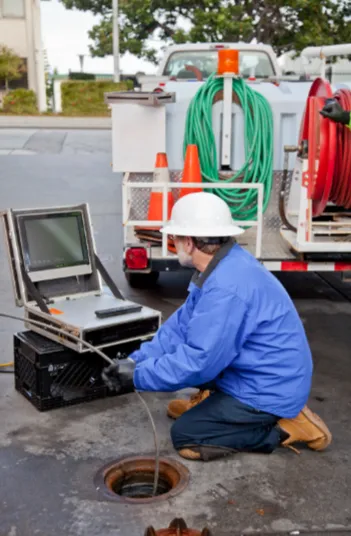


The act of digging in the earth to expose any pipes, cables, or utilities that may be present entails a degree of danger. The use of traditional excavation techniques involves using machinery that may harm any underlying utilities. However, Hydro excavating has solved this problem by providing an efficient and user-friendly means of locating underground utilities.
What is Hydro Excavating?
Hydro excavating refers to the process of using high-pressure water that helps to loosen soil, as well as sucking out the displaced earth using a high-pressure suction device to ensure safe excavation. Rather than using a standard shovel or an excavator, the crews follow the systematic stratification of the soil in the course of their excavation. This technique is especially useful when dealing with underground utilities as well as cable systems where it is not allowed to make any contact.
How the Process Works
A hydro excavation truck has a water tank, a high-pressure hose, and a vacuum system. The flowing water loosens up any soil; it becomes a slurry that can be sucked away. Due to the ability to change the pressure of water and the strength of the vacuum, operators enjoy working with a precision not available in conventional digging.
Why Hydro Excavating Is Gaining Popularity
Industries working with underground utilities increasingly turn to hydro excavating for several practical reasons.
Extra precision: Water digging minimizes the chances of hitting pipes, wires, and conduits.
Less labor and time: Since this method is faster and requires less digging work, the results usually take less time.
Less disruption: Hydro excavating creates smaller and more precise holes, avoiding damage to the roads, footpaths, and landscape.
Lower costs: Less backfilling and repair save many costs in comparison with conventional excavation methods.
Common Applications
Hydro excavating is a common method to be used in the following works:
- Detecting and revealing underground utilities; such a process is called potholing or daylighting.
- Safely digging around gas and oil pipelines to prevent cutting through pipelines and causing leaks.
- Revealing water mains, telephone lines, and other buried facilities.
- Excavating trenches for the installation of new utilities underground.
- Excavating in cramped spaces where conventional methods would simply be impractical.
Industries That Rely on Hydro Excavating
Due to its precision and safety benefits, hydro excavating is primarily employed by businesses such as oil and gas corporations, power production plants, local authorities, utilities companies, construction companies, and engineering companies. An organization involved in any type of excavation work in the vicinity of buried infrastructure can get the advantages of this technique.
Conclusion
The rising complexity and congestion of underground infrastructure have led to a growing need for excavation techniques that mitigate risks. Hydro excavating is a viable solution, combining accuracy, speed, and safety that conventional digging cannot achieve. Hydro excavation should be considered for any work involving underground utilities or delicate assets.
































Sign in to leave a comment.