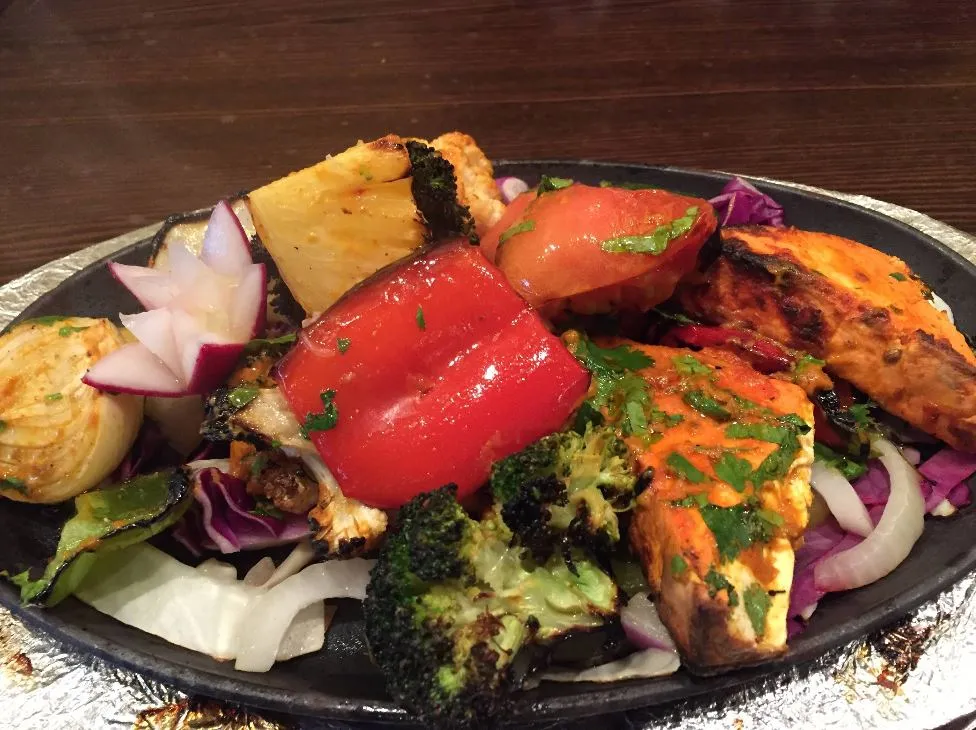

For many diners, spice level is one of the most important factors when exploring Indian cuisine. While the flavors are rich and inviting, the perception of heat can sometimes feel unpredictable. Visiting the best Indian restaurant in NJ often means encountering a wide range of spice levels, each designed to enhance flavor rather than overwhelm it.
Understanding how spices work in Indian cooking can help diners make more informed choices and enjoy their meals with greater confidence. It’s not just about how hot a dish is—it’s about how spices are layered to create depth, aroma, and balance across every bite.
What “Spice Level” Really Means
In Indian cuisine, spice level doesn’t simply refer to heat. It represents a combination of ingredients that contribute to flavor, aroma, and overall experience. While chili peppers are responsible for the heat, spices like cumin, coriander, turmeric, and garam masala build complexity.
This means a dish can be rich in spices without being overly spicy. Many traditional recipes rely on slow cooking techniques that allow spices to blend together, creating a well-rounded taste. For diners, this distinction is important. Choosing a “mild” dish doesn’t mean sacrificing flavor—it simply means the heat is toned down while the depth remains intact.
Common Spice Levels Explained
Most Indian restaurants categorize spice levels to help guests make informed choices. While the terminology may vary slightly, the general structure remains consistent across menus:
- Mild: Very low heat, often creamy or lightly spiced dishes
- Medium: Balanced heat that enhances flavor without overpowering it
- Spicy: Noticeable heat with a stronger chili presence
- Extra Spicy: Intense heat designed for those who enjoy bold flavors
These categories act as guidelines rather than strict rules. Chefs often adjust the spice level based on customer preference, ensuring a more personalized dining experience. This flexibility makes Indian cuisine approachable for both beginners and experienced diners.

How to Choose the Right Spice Level
Selecting the right spice level depends on your tolerance and familiarity with Indian food. If you’re new to the cuisine, starting with mild or medium dishes is a practical approach. This allows you to experience the flavors without being overwhelmed by heat.
As you become more comfortable, you can gradually explore spicier options. It’s also helpful to ask questions when ordering—servers can provide insights into how a dish is typically prepared and how spicy it might feel. Interestingly, people searching for fusion food near me often come across Indian-inspired dishes that feature toned-down spice levels, making them a good entry point into more traditional flavors.
The Balance Between Flavor and Heat
One of the defining features of Indian cuisine is its ability to balance heat with other elements. Ingredients such as yogurt, cream, butter, and coconut milk are often used to soften the intensity of spices.
This balance ensures that even dishes labeled as “spicy” remain enjoyable rather than overwhelming. The goal is to create harmony, where heat enhances the dish instead of dominating it. At the best Indian restaurant in NJ, this balance is carefully maintained, allowing diners to experience bold flavors without discomfort. It’s a key reason why Indian cuisine appeals to such a wide audience.
Customization Makes Dining More Enjoyable
A major advantage of dining at Indian restaurants is the ability to customize spice levels. Unlike many other cuisines, Indian dishes can often be adjusted during preparation to suit individual preferences.
This flexibility allows diners to experiment with different levels of heat while still enjoying their favorite dishes. It also makes group dining easier, as each person can choose a spice level that suits their comfort. Customization ensures that every guest has a positive experience, whether they prefer subtle flavors or enjoy a more intense level of spice.
Explore Indian Flavors with Confidence!
Understanding spice levels is essential to fully appreciating Indian cuisine. By recognizing that spice is about balance rather than just heat, diners can approach their meals with greater confidence and curiosity.
If you’re ready to explore a wide range of flavors, consider visiting the best Indian restaurant in NJ and experimenting with different spice levels. With the right approach, you can enjoy a dining experience that is both flavorful and perfectly tailored to your taste.




























Sign in to leave a comment.