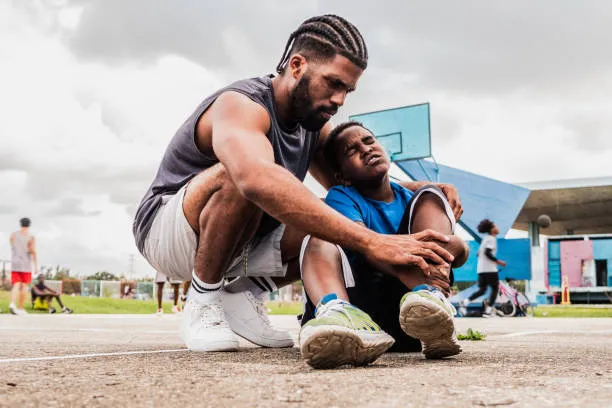

Lower-leg discomfort can develop gradually or appear after a change in physical activity. It may affect runners, people who exercise regularly, or anyone who suddenly increases movement. Common contributors include muscle strain, repetitive movement, poor recovery, and changes in exercise routines. Understanding the possible causes can help people respond early and avoid making exercise-related pain worse.
Common Causes of Lower-Leg Pain
One common cause is an overuse injury, which can occur when the muscles and surrounding tissues are repeatedly placed under stress without enough recovery. Running injuries are particularly common when activity levels increase quickly or running technique changes.
Muscle fatigue can also contribute to discomfort. When the muscles become tired, they may have difficulty supporting normal movement efficiently. This can place additional stress on the lower leg and contribute to shin pain or calf tightness.
Other factors may include unsuitable footwear, hard training surfaces, limited flexibility, muscle weakness, or sudden changes in physical activity. In some cases, leg inflammation may develop around irritated tissues, creating tenderness or discomfort during movement.
Recognising Symptoms
Symptoms can vary depending on the underlying cause. Some people notice a dull ache that develops during or after exercise, while others may experience more noticeable discomfort with walking or running.
Shin pain may occur along the front or inner portion of the lower leg. Tightness around the calf can sometimes accompany this discomfort, particularly after repetitive activity. People may also notice muscle fatigue, tenderness, or reduced comfort when performing activities that normally feel easy.
Persistent symptoms should not simply be ignored. If discomfort continues despite reducing activity, professional assessment can help determine whether the problem is related to an overuse injury, muscle strain, or another condition.
Understanding Shin Splints
Shin splints are commonly associated with repetitive stress affecting the tissues around the shin. They may develop after increasing running distance, changing training surfaces, or returning to exercise after a period of reduced activity.
Managing this type of discomfort generally involves reducing aggravating activities and allowing the affected tissues time to recover. Gentle mobility exercises, appropriate stretching, gradual strengthening, and attention to running technique may also support recovery.
It is important to avoid returning immediately to demanding physical activity when symptoms are still present. A gradual approach can help reduce unnecessary stress on the lower leg.
Recovery and Prevention Tips
Recovery often begins with identifying what may have triggered the discomfort. Temporarily reducing activities that increase pain can allow irritated tissues to settle.
Gentle movement can help maintain mobility without placing excessive stress on the affected area. Calf stretching and strengthening exercises may be useful when appropriate, while improving running technique can help support more efficient movement.
Adequate recovery between exercise sessions is also important. Repeated training while experiencing muscle fatigue may increase the likelihood of recurring exercise-related pain. Footwear that provides suitable support and replacing sudden increases in training with gradual progression can also be helpful.
For people experiencing related tendon problems, understanding available options for tendinitis treatment in kl can provide useful guidance when symptoms do not improve with basic activity modification.
When to Seek Professional Guidance
Professional assessment can be useful when lower-leg pain is persistent, repeatedly returns, or begins affecting everyday movement. A qualified physiotherapist or healthcare professional can assess movement patterns, muscle strength, flexibility, and activity-related factors.
An assessment may help identify whether the symptoms are connected to an overuse injury, muscle strain, tendon irritation, or another cause. Treatment can then be adapted to the individual's needs rather than relying on a general approach.
People who are unsure whether their symptoms require tendinitis treatment in kl should consider seeking professional advice, particularly if discomfort continues despite rest and sensible activity changes.
Conclusion
Lower-leg discomfort can have several possible causes, and recognising symptoms early may help prevent the problem from becoming more persistent. A balanced approach involving appropriate rest, gradual activity, mobility, strengthening, and attention to movement habits can support recovery. Persistent or worsening symptoms should be assessed by a qualified professional.
CTA: If lower-leg discomfort is affecting your movement or exercise routine, consider speaking with a qualified physiotherapist for an appropriate assessment and personalised recovery guidance.

























Sign in to leave a comment.