

A car accident can place significant stress on the neck, even when the collision initially appears minor. Sudden movements, unexpected impacts, and rapid changes in vehicle speed can strain muscles, ligaments, and other soft tissues surrounding the cervical spine. A neck injury after car accident may cause discomfort, stiffness, headaches, and restricted movement that can interfere with everyday activities. Some symptoms develop immediately, while others may take hours or days to become noticeable. Understanding the possible causes, recognizing warning signs, and seeking appropriate medical evaluation can help injured individuals make informed decisions about their recovery.
Understanding Neck Injuries After a Car Accident
Neck injuries can occur when the head and neck experience sudden movement during a collision. The cervical spine supports the head while allowing a wide range of motion, making it vulnerable to sudden forces. Depending on the circumstances, an accident may cause muscle strains, ligament sprains, joint irritation, or injuries involving spinal structures. Whiplash is one commonly recognized injury associated with rapid forward and backward neck movement. The severity can range from mild discomfort to injuries requiring extensive medical care. Understanding the nature of the injury helps individuals recognize why a professional assessment may be necessary.
How Sudden Impact Affects the Neck
During a collision, the body may move unexpectedly while the head responds differently to the force of impact. This rapid movement can stretch or compress the muscles and ligaments supporting the neck. Rear end collisions are frequently associated with whiplash, although side impacts and other accident types can also cause neck injuries. The extent of tissue strain depends on several factors, including impact direction, collision force, and individual physical characteristics. Even when there are no visible signs of injury, internal soft tissue damage may still be present. A healthcare professional can assess symptoms and determine whether further investigation is needed.
Common Symptoms of a Neck Injury After a Car Accident
Symptoms of a neck injury can vary considerably depending on the structures affected and the severity of the impact. Neck pain, stiffness, muscle tenderness, and difficulty turning the head are common complaints. Some individuals may experience headaches, shoulder discomfort, upper back pain, or fatigue following a collision. In certain cases, symptoms may develop gradually rather than appearing immediately. This delayed onset can make it difficult to recognize an injury during the first few hours after an accident. Paying attention to changes in physical comfort, mobility, and daily functioning can help individuals determine when to seek professional medical advice.
Neck Pain and Restricted Movement
Neck pain is one of the most noticeable symptoms following a vehicle collision. Individuals may experience soreness while turning their heads, looking upward, or maintaining a particular position for extended periods. Muscle tightness can also limit comfortable movement and interfere with activities such as driving, working, or sleeping. The discomfort may remain localized around the neck or extend toward the shoulders and upper back. Persistent or worsening pain should be evaluated by a qualified healthcare professional. An appropriate examination can help identify the possible source of discomfort and determine suitable management strategies based on the individual's symptoms and medical history.
Headaches and Shoulder Discomfort
Headaches may develop after a collision when the neck muscles, joints, or surrounding tissues become strained. Some individuals experience discomfort around the base of the skull, which may spread toward the forehead or temples. Shoulder pain and upper back tightness can also accompany neck injuries because these areas work together to support posture and movement. Although these symptoms can occur with soft tissue injuries, they may also have other causes that require medical attention. A professional assessment can help distinguish between different conditions and identify whether additional testing or specialist care is appropriate for the individual's situation.
When to Seek Medical Attention After an Accident
Medical evaluation is important whenever neck pain or unusual symptoms develop after a car accident. Individuals should seek prompt assessment if discomfort persists, movement becomes increasingly restricted, or symptoms interfere with normal activities. Severe neck pain, weakness, numbness, tingling, or difficulty coordinating movements may indicate a more serious injury. Severe headaches, confusion, fainting, vision changes, or repeated vomiting also require urgent medical attention, particularly if a head injury is possible. Emergency care is necessary when serious warning signs appear. Early assessment can help identify injuries, rule out complications, and establish an appropriate course of medical management.
Why Delayed Symptoms Should Not Be Ignored
Some neck injuries produce symptoms that become noticeable several hours or days after an accident. This may occur as inflammation develops or soft tissue discomfort becomes more apparent during movement. Individuals who initially feel comfortable may later experience stiffness, headaches, tenderness, or reduced flexibility. Delayed symptoms do not automatically indicate a severe injury, but they should not be dismissed. Monitoring changes in physical condition and consulting a healthcare professional when symptoms appear can help identify potential problems. Medical guidance is particularly important when discomfort increases, new symptoms develop, or everyday activities become difficult because of neck pain.
Diagnosis and Assessment of Neck Injuries
Diagnosing a neck injury typically begins with a review of the accident, symptoms, and relevant medical history. A healthcare professional may examine posture, neck movement, muscle tenderness, strength, sensation, and reflexes. These assessments can help identify possible soft tissue injuries and signs of neurological involvement. Depending on the findings and the nature of the collision, imaging such as X-rays, CT scans, or MRI may be recommended. Not every neck injury requires imaging, as the decision depends on clinical assessment and established medical guidelines. Accurate evaluation helps determine whether the injury can be managed conservatively or requires further specialist attention.
Understanding the Importance of Professional Evaluation
A professional evaluation helps distinguish between different types of neck injuries that may produce similar symptoms. Muscle strains, ligament sprains, joint irritation, and certain spinal injuries can all cause pain and restricted movement. An assessment can also identify symptoms that suggest nerve involvement or a more serious condition. Individuals should provide clear information about the accident, when symptoms began, and which movements cause discomfort. This information can support a more accurate clinical assessment. Following medical recommendations and attending necessary follow up appointments can help track recovery and identify changes that may require adjustments to the treatment approach.
Treatment Options for Neck Injury Recovery
Treatment for a neck injury after a car accident depends on the diagnosis, severity, and individual health needs. Many uncomplicated soft tissue injuries can be managed through appropriate pain relief, gradual movement, activity adjustments, and supervised rehabilitation. Healthcare professionals may recommend physical therapy to improve flexibility, strength, and comfortable movement. Some individuals may require medication or additional investigations based on their symptoms. Treatment should be personalized, as approaches that are suitable for one injury may not be appropriate for another. Following professional guidance and avoiding activities that significantly aggravate symptoms can help support a gradual and monitored recovery process.
Physical Therapy and Guided Exercises
Physical therapy may help individuals regain neck mobility and improve muscle function following certain accident related injuries. A qualified therapist can assess movement limitations and recommend exercises appropriate to the stage of recovery. Gentle range of motion activities, posture guidance, and progressive strengthening may be included when clinically suitable. Exercises should be introduced carefully to avoid unnecessary strain or worsening discomfort. Consistent participation in a supervised rehabilitation program may help individuals gradually return to everyday activities. The exercise plan should be adjusted according to progress, pain levels, and professional assessment rather than following a fixed routine without considering individual needs.
Chiropractic Assessment and Supportive Care
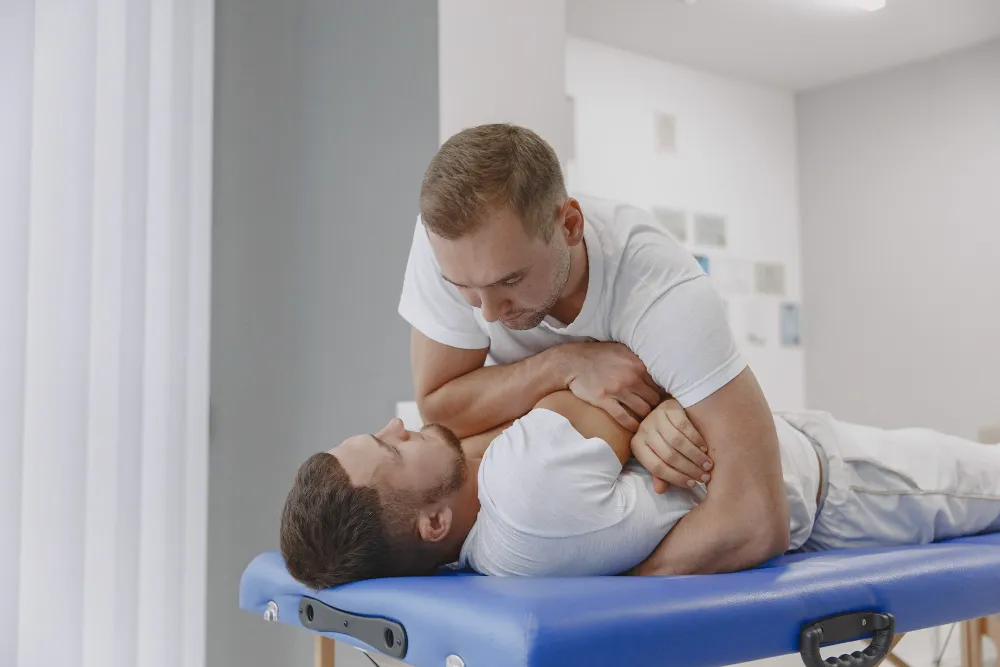
Chiropractic care may be considered for selected individuals with neck discomfort after an accident, once serious injuries have been ruled out and the approach is deemed appropriate. A chiropractor may review medical history, assess posture, and evaluate comfortable movement to understand the individual's condition. Supportive recommendations may include gentle mobility guidance, rehabilitation exercises, and advice about daily activities. Forceful neck manipulation may not be appropriate following an acute injury, particularly when the diagnosis is uncertain or spinal injury is suspected. Individuals should consult a qualified medical professional before starting chiropractic treatment and coordinate care when multiple healthcare providers are involved.
Factors That Influence Recovery
Recovery time can differ from one individual to another, depending on injury severity, general health, activity levels, and the type of care received. Some people with uncomplicated soft tissue injuries improve over a few weeks, while others may experience symptoms for several months. Existing neck problems, poor sleep, ongoing physical strain, and delayed assessment may also affect the recovery experience. Persistent symptoms do not necessarily mean that permanent damage has occurred, but they may require further evaluation. Regular communication with healthcare professionals, appropriate activity adjustments, and adherence to individualized recommendations can help individuals understand their progress and address any emerging concerns.
The Role of Rest and Gradual Activity
Rest can be helpful during the initial period following a neck injury, but prolonged inactivity may contribute to stiffness and reduced muscle function. When medically appropriate, gradual movement and a progressive return to everyday activities can support mobility. Individuals may need to temporarily modify heavy lifting, repetitive movements, or tasks that increase neck discomfort. Comfortable sleeping positions and regular breaks during extended sitting may also help reduce unnecessary strain. Activity levels should be guided by symptoms and professional advice. If movement causes significant pain, new neurological symptoms, or a noticeable worsening of the condition, medical reassessment may be necessary.
Preventing Further Neck Strain During Recovery
Taking sensible precautions can help reduce additional strain while the neck recovers from an accident related injury. Individuals may benefit from maintaining a comfortable posture, adjusting computer screens to a suitable height, and avoiding sudden movements that aggravate symptoms. When driving becomes medically appropriate, proper seat positioning and headrest adjustment may provide additional support. Heavy physical activities should be resumed gradually, according to healthcare guidance. Gentle exercises may help maintain flexibility when recommended by a qualified professional. Paying attention to changes in discomfort and avoiding activities that exceed current physical tolerance can support safer participation in everyday routines.
Returning to Daily Activities After a Neck Injury
Returning to work, driving, exercise, and other regular activities should depend on the individual's symptoms, functional ability, and medical recommendations. Some people may resume light activities relatively early, while others require additional rehabilitation before returning to physically demanding responsibilities. Individuals who experience restricted neck movement should be cautious about driving, particularly when they cannot turn their heads comfortably or react safely. Gradually increasing activity levels may help restore confidence and physical function. A healthcare professional can provide guidance on suitable milestones and necessary precautions. Any significant increase in pain or the development of new symptoms should prompt further assessment.
Conclusion
Understanding the causes, symptoms, and treatment options associated with a neck injury after a car accident can help individuals take appropriate steps toward recovery. Persistent pain, stiffness, headaches, and restricted movement may require professional evaluation, while severe pain or neurological symptoms warrant urgent medical attention. An individualized approach involving accurate diagnosis, suitable rehabilitation, and gradual activity can support recovery while reducing unnecessary strain. Individuals experiencing ongoing neck discomfort may consider consulting qualified healthcare professionals to explore appropriate care. Lakewood Injury Chiropractic can be a local resource for those seeking chiropractic assessment and supportive guidance, provided the proposed care is appropriate for the diagnosed injury and coordinated with necessary medical treatment.

























Sign in to leave a comment.