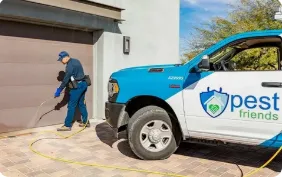

Pest control professionals must keep their technical knowledge current to apply pesticides responsibly, protect public health, and meet licensing obligations. Through ongoing education, eligible applicators can better understand Arizona pest control CEU requirements and prepare for certification renewal. Although licensing rules vary by state, continuing education remains an important part of professional development.
Continuing education covers subjects such as pest identification, treatment methods, pesticide safety, and regulatory responsibilities. Understanding state-specific requirements helps applicators select suitable courses, plan for renewal deadlines, and maintain accurate training records.
Why Continuing Education Matters in Pest Control
Pest management requires more than knowing how to apply a product. Professionals must identify pests correctly, understand infestation patterns, and select control methods suited to each situation. Continuing education reinforces these skills while introducing updated information about equipment, products, and responsible application practices.
Safety is another important reason to pursue regular training. Pesticide labels explain how products should be handled and applied, including precautions designed to protect people, animals, and the environment. Education helps professionals understand these instructions and recognize risks associated with improper use.
Ongoing learning can also strengthen decision-making. Applicators familiar with integrated pest management can evaluate preventive measures, monitoring techniques, and targeted treatments instead of relying on chemical applications alone. These approaches support informed decisions and may help reduce unnecessary pesticide use.
Understanding Arizona Pest Control CEU Requirements
Arizona has continuing education requirements for eligible pesticide applicators and other credential holders. The exact requirements depend on the license or certification category, so professionals should verify the rules that apply to their work.
The Arizona Department of Agriculture provides information about pesticide continuing education courses and relevant subject areas. Eligible courses may address pest identification, pest control methods, pesticide use, handling, and safety. Applicators should confirm that a course is approved for their credential before enrolling.
Understanding the renewal period is equally important. Some licensing categories have specific credit requirements, and professionals should not assume that the rules for one category apply to another. Requirements for agricultural applicators, for example, may differ from those for professionals working in structural pest management.
Exploring Georgia Pest Control Continuing Education
Georgia also regulates pesticide-related credentials, with requirements that vary according to the type of license or certification held. Professionals should identify the rules governing their particular category before choosing continuing education courses.
Through Georgia pest control continuing education, eligible professionals can maintain relevant knowledge and better understand their responsibilities when using pesticides. Training may address application practices, pest identification, pesticide safety, and applicable regulations, depending on the course and credential requirements.
Applicators should confirm which courses count toward renewal and how many credits they must complete within the relevant period. Course eligibility should be checked through the appropriate state authority rather than assumed from a provider's description.
Professionals should also distinguish between education required for license renewal and training intended primarily to improve workplace skills. Both can be useful, but a course that supports professional development does not automatically satisfy a formal licensing requirement.
How to Choose Relevant Continuing Education Courses
Selecting the right course begins with understanding professional needs and licensing obligations. Applicators should review the course description, subject matter, approval status, and relevance to their work before committing to a program.
Pest identification and integrated pest management are useful subjects for professionals who want to improve inspection and treatment decisions. Courses on pesticide labels, protective equipment, storage, and handling can reinforce safe work practices. Regulatory education may also help applicators understand changes that affect their responsibilities.
The learning format matters, too. Online courses can offer scheduling flexibility, while classroom instruction may provide opportunities for direct discussion and practical demonstrations. The most suitable option depends on the learner's schedule, experience, and course availability.
Regardless of format, professionals should confirm that the provider offers the appropriate credits for their credential. They should also retain completion certificates and other required documentation. These records make it easier to track progress and identify remaining education needs before renewal.
Building a Consistent Learning Routine
Waiting until a license is close to expiration can make continuing education difficult to manage. A more effective approach is to review renewal dates early and divide required learning across the available period.
Keeping a simple record of completed courses, credit totals, and outstanding requirements helps professionals monitor their progress. Applicators can also set reminders to check official guidance periodically, particularly when requirements or approved course listings may change.
Workplace learning can complement formal continuing education. Team discussions, supervised practice, and reviews of challenging pest management situations help employees apply their knowledge in practical settings. However, workplace instruction should not be counted toward formal continuing education unless the relevant authority recognizes it.
Conclusion
Continuing education helps pest control professionals maintain their knowledge, strengthen safety practices, and understand the responsibilities associated with their credentials. Although Arizona and Georgia have separate licensing frameworks, applicators in both states should verify the requirements for their specific certification category before selecting courses. Checking official guidance is the most reliable way to understand current renewal obligations.
A planned approach to professional learning can make license renewal more manageable while supporting better decisions in the field. By choosing relevant courses, maintaining completion records, and applying new knowledge consistently, pest control professionals can build stronger skills and remain prepared for the changing demands of their work.















Sign in to leave a comment.