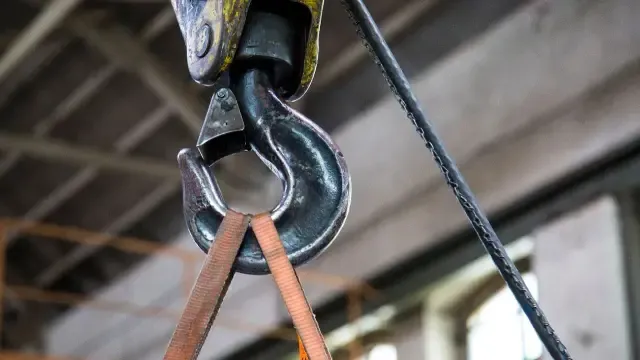

Safe rigging selection requires more than choosing components based on appearance, size, or general strength. Every part of a lifting assembly must work within its intended capacity and configuration to support controlled load handling. The alloy oblong master link table provides useful information for understanding the relationship between master link dimensions, assembly configurations, and rated lifting capacities. By reviewing this information carefully, lifting professionals can make better equipment decisions before beginning a job. Proper interpretation also helps ensure that connecting components are suitable for the expected load, lifting arrangement, environmental conditions, and operational requirements.
What Is an Oblong Master Link?
Understanding Its Purpose
An oblong master link is a major connecting component used within certain lifting assemblies to provide a secure connection between sling branches and a lifting point. Its elongated shape allows multiple components to be gathered into an organized connection while maintaining suitable load distribution. These links are commonly produced from alloy steel because the material can provide the strength characteristics needed for demanding lifting applications. The link itself forms part of a larger assembly, so its capacity should never be considered independently from the other components. Correct selection requires attention to the complete rigging arrangement.
Why Capacity Information Matters
Interpreting Rated Capacity
Rated capacity is one of the most important factors when selecting a master link for a lifting operation. The capacity indicates the maximum load that the component or assembly is designed to support under specified conditions. However, capacity can vary according to configuration, sling arrangement, connection method, and lifting angle. A table provides a convenient reference for comparing available sizes and configurations. Users should review the relevant information carefully rather than assuming that a larger looking component automatically provides adequate capacity. Proper capacity assessment helps prevent overloading and supports safer decisions during lifting preparation.
Reading an Alloy Master Link Table
Identifying Important Details
A master link table may include several pieces of information, such as link dimensions, material specifications, working load limits, compatible sling configurations, and other relevant characteristics. Understanding each column helps users determine which component is appropriate for a particular application. Dimensions can assist with physical compatibility, while capacity information helps confirm whether the link can support the intended load. Configuration details are equally important because the same component may perform differently depending on how connected sling branches are arranged. Careful review of the complete table creates a more reliable foundation for selecting suitable rigging hardware.
Considering Link Dimensions
Matching Physical Requirements
Dimensions are important because a master link must accommodate the components connected to it without creating interference or improper loading. Inside length and width can influence how sling eyes, connecting components, or hooks fit within the link. The diameter of the material also contributes to the overall construction and strength characteristics. Physical compatibility should therefore be checked before an assembly is put into service. A link that meets the required capacity but cannot accommodate the intended connections correctly may still create operational problems. Proper dimensional evaluation helps ensure that components interact as intended throughout the lifting process.
Understanding Sling Configurations
Single and Multiple Branch Arrangements
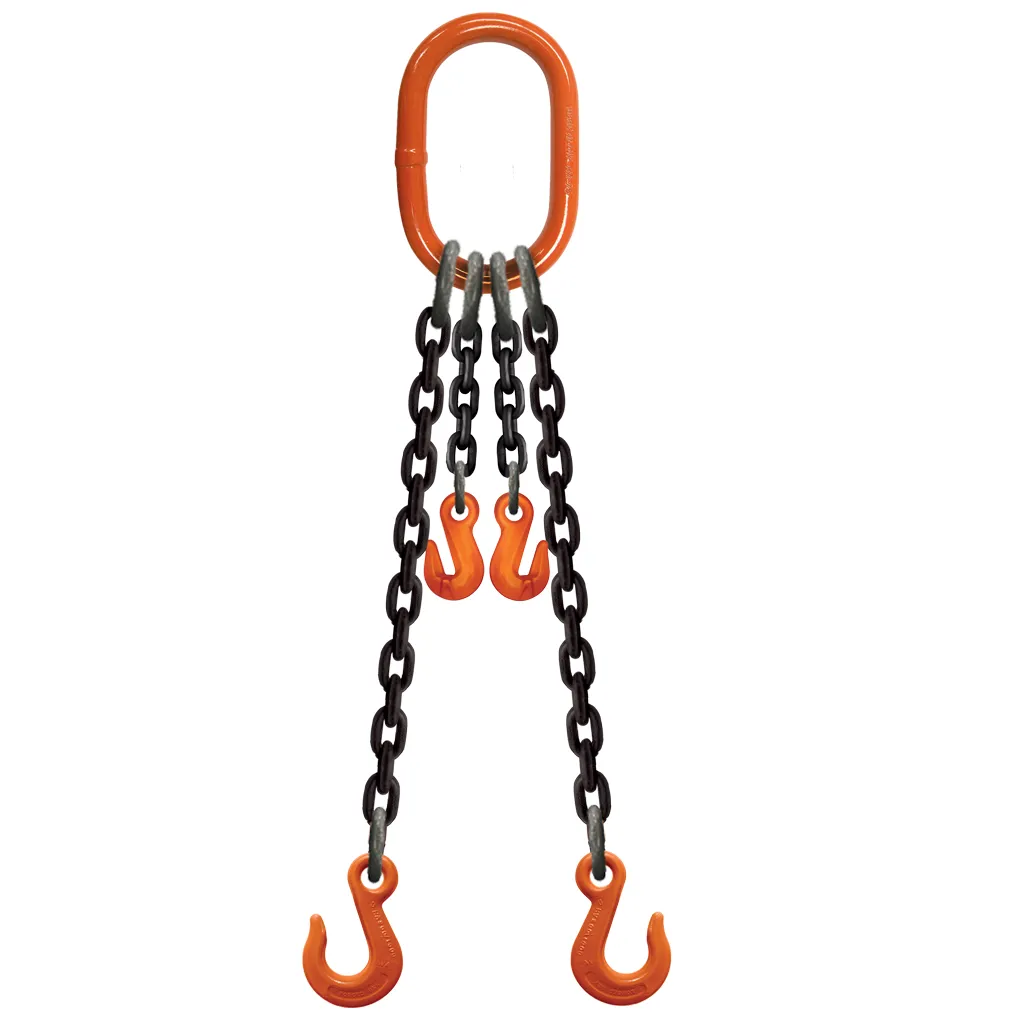
Master links can be incorporated into different sling configurations depending on the lifting application. A single branch arrangement may have different requirements from a two branch, three branch, or four branch assembly. As the number of branches changes, the connection arrangement and load distribution also change. The included angle between sling branches can further influence the forces experienced by individual components. For this reason, users should select a master link based on the actual configuration rather than relying solely on the total load weight. Reviewing configuration information supports more accurate capacity decisions and safer assembly planning.
The Importance of Lifting Angles
Recognizing Changes in Force
Lifting angles can significantly influence forces within a multi branch sling assembly. As the angle between branches increases, the tension in individual branches can increase even when the overall load remains unchanged. This means that a sling assembly should be evaluated according to its actual working configuration. The master link, sling branches, hooks, and other components must all be capable of handling the forces created by that arrangement. Workers should therefore understand applicable capacity tables and angle considerations before lifting. Avoiding assumptions about capacity can reduce the possibility of overloading individual components.
Material Quality and Alloy Steel
Supporting Strength and Durability
Alloy steel is commonly used for demanding rigging components because it can provide a combination of strength, durability, and resistance to mechanical stresses when properly manufactured and treated. However, material selection alone does not guarantee safe performance. Manufacturing quality, heat treatment, dimensional control, inspection, and correct application all contribute to component reliability. Users should rely on documented specifications and rated information rather than making assumptions based on material appearance. Properly produced alloy components can support demanding lifting tasks when they are selected for the correct application and operated within their specified working limits.
Inspecting Master Links Before Use
Looking for Visible Damage
Regular inspection is essential for identifying conditions that could affect lifting equipment. Before use, workers should examine master links for cracks, deformation, excessive wear, gouges, corrosion, stretching, or other visible abnormalities. Particular attention should be given to areas that experience contact with hooks or connecting components. Any questionable component should be removed from service until it has been evaluated by a competent person. Inspection practices should reflect applicable workplace requirements and the severity of service conditions. Consistent inspection helps identify problems before they become more serious and supports better overall control of lifting equipment.
Avoiding Improper Loading
Maintaining Correct Connections
A master link should be loaded in the manner for which it was designed. Side loading, twisting, point loading, or forcing incompatible components into the connection can create conditions that differ from the intended design. Rigging personnel should ensure that connected components sit naturally within the link and that the load path remains properly aligned. Sudden loading should also be avoided because shock forces can exceed normal working forces. Careful connection practices help maintain predictable loading and reduce unnecessary stress on the master link and other components within the lifting assembly.
Selecting Compatible Rigging Components
Evaluating the Complete Assembly
A lifting assembly contains multiple components, and the overall capacity depends on the limitations of its individual parts and configuration. Master links may connect with hooks, sling branches, connectors, or other approved components. Each connection must be physically compatible and appropriately rated. Selecting one strong component does not compensate for another component with a lower capacity. Rigging professionals should therefore evaluate the entire assembly before use. This approach helps identify the limiting component and ensures that every part contributes appropriately to the intended lifting arrangement rather than creating an unexpected weak point.
Benefits of Proper Table Reference
Improving Selection Accuracy
Using a detailed capacity table can make equipment selection more systematic and less dependent on guesswork. Instead of selecting components based solely on familiarity, workers can compare dimensions, capacities, and configurations against the requirements of a specific lifting task. This process can also make purchasing and inventory management more efficient because organizations can identify which sizes are appropriate for recurring applications. Clear reference information supports communication between supervisors, purchasing personnel, and lifting crews. When everyone works from the same specifications, there is less opportunity for misunderstandings during equipment selection and preparation.
Storage and Handling Considerations
Protecting Rigging Hardware
Proper storage can help maintain the condition of master links when they are not being used. Components should generally be kept in an organized location where they are protected from unnecessary impacts, excessive moisture, corrosive substances, and other damaging conditions. Equipment should not be thrown into piles where components can strike one another or become difficult to inspect. Organized storage also makes identification easier and helps workers locate the appropriate size before a lifting task. Good handling practices complement inspection and maintenance programs, helping preserve equipment condition between lifting operations.
Supporting Workplace Training
Building Better Rigging Knowledge
Personnel responsible for selecting and using lifting equipment should understand basic rigging principles, capacity information, inspection procedures, and safe handling practices. Training can help workers recognize why dimensions and configurations matter when interpreting a master link table. It can also reinforce the importance of lifting angles, rated capacities, proper connections, and pre use inspections. Practical knowledge enables workers to make better decisions when conditions change unexpectedly. Organizations can strengthen their lifting programs by ensuring that personnel receive appropriate instruction and understand the specific equipment used in their regular material handling activities.
When Professional Guidance Is Valuable
Addressing Complex Applications
Some lifting operations involve unusual loads, restricted access, multiple attachment points, or complicated sling configurations. In such situations, selecting a master link may require more detailed evaluation than a standard application. Professional guidance can help users interpret specifications and determine whether a proposed configuration is appropriate. This is particularly valuable when load geometry or lifting angles create unusual forces. Rather than relying on assumptions, lifting teams can seek competent technical assistance when uncertainty exists. Careful planning before the load is lifted is generally more effective than attempting to resolve equipment concerns during an active operation.
Creating a Safer Selection Process
Combining Information and Experience
A reliable rigging selection process combines product specifications, load information, application conditions, inspection findings, and competent judgment. The alloy oblong master link table is an important reference, but it should be considered alongside the requirements of the complete lifting assembly. Users should confirm the load weight, evaluate the intended configuration, check component compatibility, and verify applicable capacity information. Equipment should then be inspected before use and handled according to established procedures. This structured approach reduces uncertainty and encourages consistent decisions across different lifting tasks, helping organizations maintain safer and more efficient material handling practices.
Conclusion
Understanding master link specifications is an important part of responsible rigging selection. Dimensions, rated capacities, sling configurations, lifting angles, material characteristics, and inspection requirements all contribute to the suitability of a component. The alloy oblong master link table can help lifting professionals compare options and select hardware based on documented information rather than assumptions. However, safe performance ultimately depends on using every component correctly and keeping the entire assembly within its intended limits. Organizations seeking dependable lifting equipment and useful rigging resources can turn to Lift-All Company, Inc. for support with demanding industrial lifting requirements.






















Sign in to leave a comment.