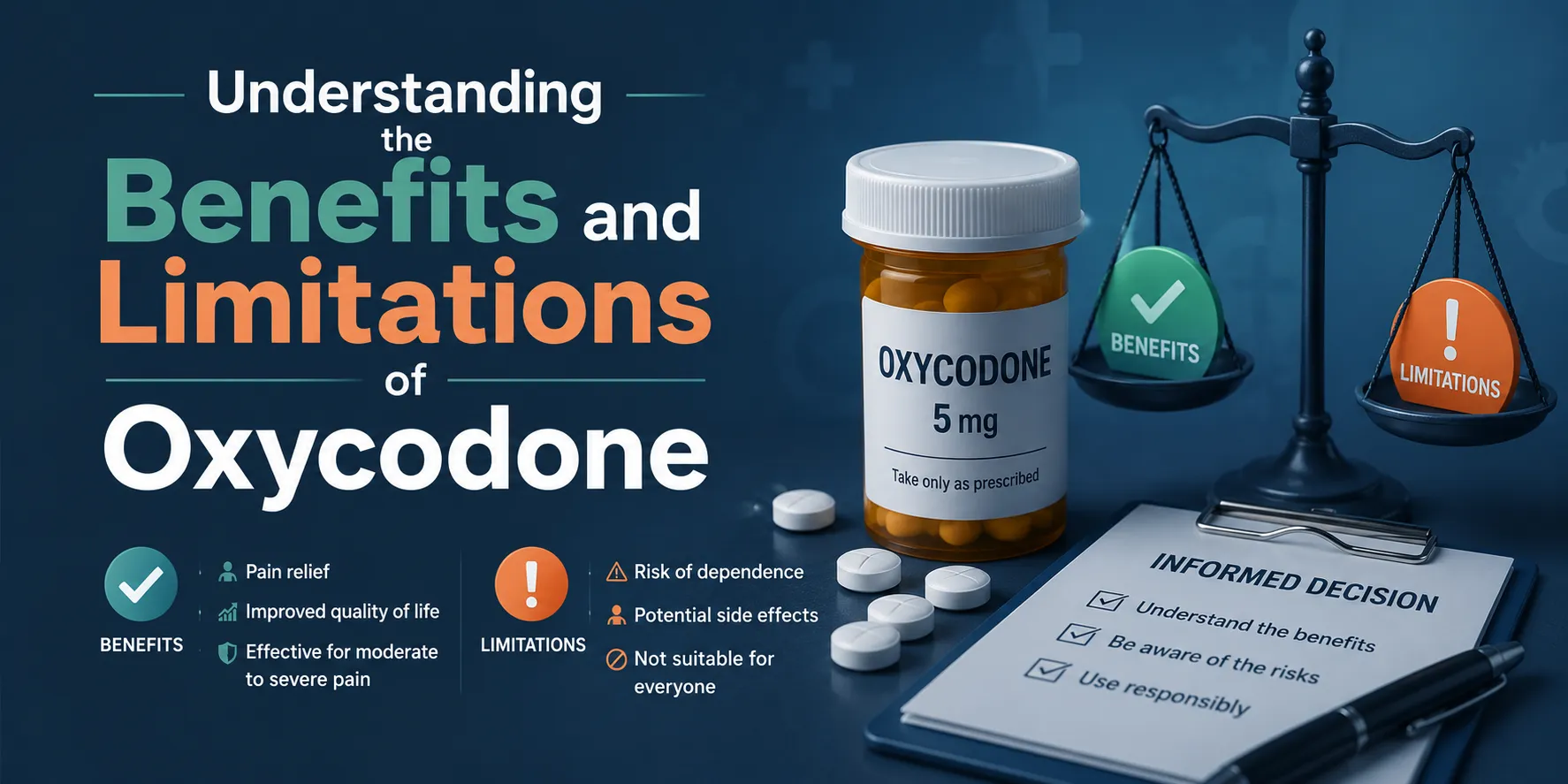

Effective pain management is an important part of modern healthcare. For people experiencing certain types of moderate to severe pain, prescription opioid medicines may provide meaningful relief when other treatment options are not sufficient. Oxycodone is one such medicine. It can play an important role in carefully selected patients, but its benefits must always be considered alongside its limitations and safety risks. Do not Order Oxycodone online without a prescription.
Understanding how oxycodone works, where it may be useful, and why careful medical supervision is essential can help patients make informed decisions about pain management.
What Is Oxycodone?
Oxycodone is a prescription opioid analgesic used to manage certain types of moderate to severe pain. It works primarily by interacting with opioid receptors in the central nervous system, changing how the brain and body perceive and respond to pain.
Oxycodone is available in different formulations, including immediate-release and extended-release products. Some formulations contain Oxycodone alone, while others combine it with another pain-relieving medicine. Because these products can have different dosing requirements and clinical uses, patients should use only the formulation prescribed by their healthcare professional.
The decision to prescribe oxycodone depends on several factors, including the cause and severity of pain, medical history, previous opioid exposure, other medications, and individual risk factors.
Potential Benefits of Oxycodone
The most important benefit of Oxycodone 20 mg is its ability to provide significant pain relief. For patients experiencing severe pain, appropriate opioid treatment may make daily activities more manageable and support recovery.
Pain control can be particularly valuable following certain surgical procedures or serious injuries. When pain is adequately managed, patients may find it easier to move, sleep, perform essential activities, and participate in rehabilitation or physical therapy.
For some patients with persistent pain, oxycodone may also be considered when other treatments have not provided sufficient relief. However, the goal of treatment is generally meaningful improvement in comfort and function rather than complete elimination of pain.
A healthcare professional can help determine whether the potential benefits are likely to outweigh the risks for an individual patient.
Oxycodone Is Not Right for Every Patient
One of the most important limitations of generic Oxycodone is that it is not appropriate for every type of pain or every patient. Many pain conditions can be managed effectively with non-opioid medicines, physical therapy, exercise, behavioral approaches, or treatment directed at the underlying cause.
A multimodal approach may allow patients to benefit from several treatment strategies while reducing reliance on opioid medication.
The effectiveness of oxycodone also varies between individuals. Some patients may experience meaningful pain relief, while others may have troublesome side effects or insufficient improvement. Treatment should therefore be regularly reassessed rather than continued automatically.
Common Side Effects and Safety Concerns
Oxycodone can cause side effects including drowsiness, dizziness, nausea, vomiting, constipation, itching, and reduced alertness. These effects can interfere with daily activities and may increase the risk of falls or accidents. Purchasing Oxycodone 20 mg online is illegal.
One of the most serious limitations of opioid treatment is respiratory depression. Oxycodone can slow breathing, particularly when taken in excessive amounts or combined with other substances that depress the central nervous system.
Extreme sleepiness, difficulty waking, slow or shallow breathing, or loss of consciousness may indicate an opioid overdose and require immediate emergency medical attention.
Patients should discuss overdose prevention with their healthcare professional and ask whether naloxone, an opioid overdose reversal medication, should be available.
Dependence and Tolerance
Repeated use of oxycodone can lead to tolerance and physical dependence. Tolerance means that the body may become less responsive to the medicine over time. Physical dependence means that withdrawal symptoms can occur when regular opioid use is stopped suddenly.
These conditions are different from addiction, but opioid exposure can also contribute to opioid use disorder in some individuals. Warning signs may include difficulty controlling opioid use, taking the medication differently from prescribed, or continuing use despite serious negative consequences.
For this reason, healthcare professionals may periodically review whether oxycodone remains necessary and whether the treatment is achieving meaningful benefits.
Drug Interactions
Another important limitation is the potential for dangerous interactions. Combining oxycodone with alcohol or certain sedating medicines can increase the risk of profound sedation and respiratory depression.
Patients should provide their doctor and pharmacist with a complete list of prescription medications, over-the-counter products, and supplements they take. They should not assume that a medicine or supplement is safe to combine with Oxycodone without professional advice.
Patients should also avoid driving or operating machinery until they understand how oxycodone affects their alertness and coordination.
Responsible Use Matters
Safe use starts with following the prescription exactly. Patients should not increase the dose, take it more frequently, or use another person's medication. If pain remains uncontrolled, they should contact their healthcare professional rather than changing the dose independently.
Oxycodone should be stored securely and kept away from children and anyone who might misuse it. Unused medication should be disposed of through an appropriate medication take-back or disposal program whenever possible.
Patients who have been taking oxycodone regularly should not stop suddenly without medical guidance. A healthcare professional can determine whether gradual dose reduction is appropriate.
A Balanced Approach to Pain Management
The benefits and limitations of oxycodone highlight the importance of individualized pain care. Rather than relying exclusively on opioids, healthcare professionals may combine appropriate medicines with physical rehabilitation, exercise, psychological support, and other evidence-based approaches.
The most appropriate treatment plan depends on the underlying condition, severity of pain, patient preferences, medical history, and response to treatment.
Conclusion
Oxycodone can provide valuable pain relief for appropriately selected patients experiencing certain types of moderate to severe pain. Its potential benefits include improved comfort, mobility, sleep, and ability to participate in recovery.
At the same time, oxycodone has significant limitations. Side effects, respiratory depression, overdose, tolerance, physical dependence, drug interactions, and the potential for opioid use disorder make careful prescribing and monitoring essential.
For patients and healthcare professionals, the goal should be balanced pain management: using oxycodone when its potential benefits justify its risks while considering non-opioid and non-medication approaches whenever appropriate. With responsible prescribing, patient education, secure medication practices, and regular medical follow-up, oxycodone can be used as one component of a comprehensive and safety-focused approach to pain care.






















Sign in to leave a comment.