Understanding the Benefits of Airflow Stain Removal for Cleaner Teeth

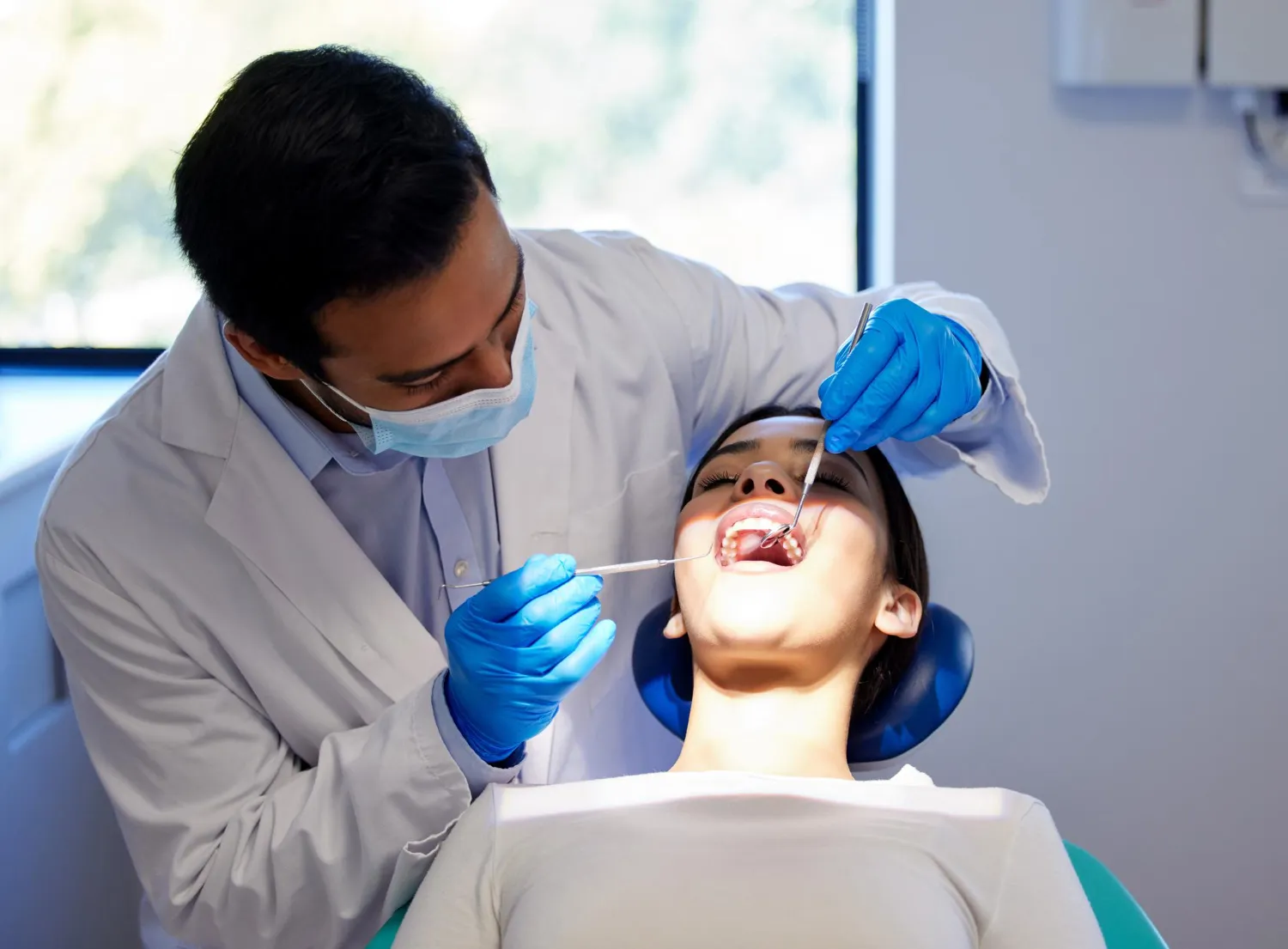
Maintaining clean looking teeth involves regular brushing, interdental cleaning and professional dental hygiene when required. Airflow stain removal is a professional cleaning technique that uses a controlled combination of air, water and fine powder to help remove certain surface deposits and stains from the teeth. It can be useful for individuals who notice staining associated with tea, coffee, certain foods or lifestyle habits. The treatment focuses primarily on external staining rather than changing the natural colour of the teeth. A professional assessment can determine whether the technique is appropriate for individual oral hygiene needs.
What Causes Surface Staining
Surface stains can develop gradually as pigments from foods, drinks and other substances accumulate on the outer surfaces of teeth. Common contributors include tea, coffee, red wine, strongly coloured foods and tobacco use. Some stains can be removed through effective professional cleaning, while deeper discolouration may require a different cosmetic approach. Understanding the source of staining is important because not every change in tooth colour is caused by external deposits. A dental professional can examine the teeth and determine whether surface cleaning may provide a noticeable improvement or whether another treatment should be considered.
How Airflow Cleaning Works
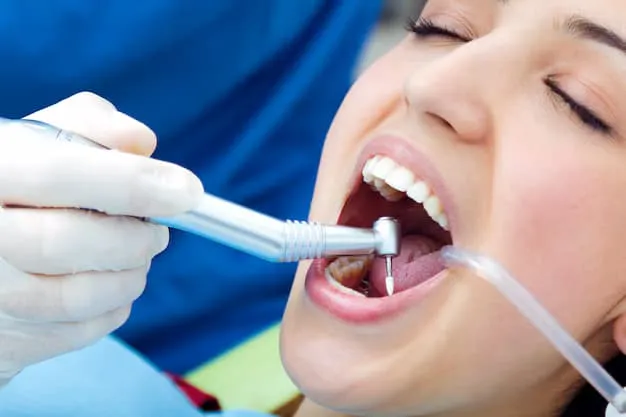
Airflow cleaning works by directing a controlled stream of air, water and cleaning powder towards the tooth surface. This combination can help loosen and remove certain deposits and external stains without relying solely on conventional polishing. The exact technique and powder used can vary according to the treatment system and individual requirements. Dental professionals adjust the process according to the areas being treated and the patient's comfort. Because treatment is professionally controlled, the approach can be incorporated into routine hygiene care where suitable and can help leave the tooth surfaces feeling cleaner.
Removing Tea and Coffee Stains
Tea and coffee are common sources of external tooth staining because they contain pigments that can gradually accumulate on the tooth surface. Regular professional cleaning may help reduce these visible deposits and restore a cleaner appearance. Airflow treatment can be particularly useful for reaching areas where staining has accumulated around the contours of the teeth. However, the result depends on the type and severity of staining. Patients should understand that professional cleaning removes surface deposits rather than permanently changing the natural shade of the teeth, making it different from conventional whitening treatment.
Supporting a Cleaner Smile
A cleaner smile can contribute to a fresher and more polished appearance. By removing suitable surface deposits, professional airflow cleaning may help the teeth look brighter without altering their natural colour. The treatment can be incorporated into an overall dental hygiene routine alongside brushing and interdental cleaning. Patients may notice smoother tooth surfaces after the procedure, which can make the mouth feel cleaner. The visible improvement depends on the amount of staining present. Maintaining good daily oral hygiene remains important for preserving the results between professional cleaning appointments.
Reaching Difficult Areas
Certain areas of the mouth can be difficult to clean thoroughly with a toothbrush alone. Spaces between teeth, around orthodontic appliances and areas close to the gumline may collect plaque and staining. Professional cleaning can help address deposits in these areas when appropriate. Airflow treatment can direct the cleaning stream towards selected surfaces, supporting more comprehensive professional hygiene care. The dental professional controls the procedure according to the patient's oral condition. Effective home care remains essential, but professional cleaning can provide additional support for areas that are challenging to maintain.
Supporting Oral Hygiene
Airflow cleaning should be viewed as part of a wider oral hygiene routine rather than a replacement for daily dental care. Brushing twice a day with fluoride toothpaste and cleaning between teeth remain important for controlling plaque. Professional hygiene treatment can help remove deposits that have accumulated despite regular home care. It can also provide an opportunity for patients to receive personalised advice about their cleaning technique. Combining professional and home care can support healthier teeth and gums. Patients should continue their recommended hygiene routine after treatment to maintain oral cleanliness.
Professional Assessment Before Treatment
A professional assessment helps determine whether airflow cleaning is appropriate for an individual's teeth and gums. The dental professional can identify plaque accumulation, surface staining, gum inflammation, sensitivity and other concerns before treatment begins. Certain oral conditions may require different treatment or additional care. An assessment also allows the dental professional to discuss the expected outcome and explain what the cleaning process involves. Patients can raise concerns about sensitivity or previous dental experiences during this consultation. Individual assessment helps ensure that professional hygiene treatment is planned according to the patient's specific oral health requirements.
Considering Tooth Sensitivity
Some patients may have sensitive teeth or gums and may be concerned about discomfort during professional cleaning. Sensitivity can be influenced by factors such as gum recession, enamel wear or existing dental conditions. A dental professional can assess these factors before treatment and adjust the cleaning approach where appropriate. Patients should communicate any history of sensitivity so that suitable precautions can be considered. Following professional advice after treatment can also help manage temporary sensitivity. Understanding individual sensitivity levels allows hygiene care to be delivered with greater attention to comfort and overall dental health.
Airflow Cleaning and Gum Health
Healthy gums are an important part of overall oral health, and effective plaque control can help support them. Deposits around the gumline may contribute to inflammation if they are not adequately managed. Professional cleaning can help remove suitable deposits and provide guidance on improving daily gumline cleaning. Airflow techniques may be incorporated into hygiene care where appropriate, depending on the patient's needs. However, persistent bleeding, swelling or discomfort should be assessed by a dental professional rather than treated solely as a cleaning concern. Underlying gum problems may require a more comprehensive approach.
Airflow Cleaning for Orthodontic Patients
Orthodontic appliances can create additional areas where plaque and staining accumulate. Patients with brackets, wires or other appliances may therefore find some areas particularly difficult to clean effectively. Professional hygiene treatment can provide additional support during orthodontic care by helping manage suitable surface deposits. Airflow cleaning may be considered where appropriate for the appliance and oral condition. Patients should continue following their orthodontic cleaning instructions carefully at home. Maintaining good oral hygiene throughout orthodontic treatment can help protect the teeth and gums while supporting the overall treatment process.
Difference Between Cleaning and Whitening
Professional airflow cleaning and tooth whitening serve different purposes. Airflow cleaning is primarily intended to remove surface deposits and external stains, helping teeth look cleaner and brighter. Whitening treatments are designed to lighten the natural colour of teeth through a controlled chemical process. Patients who have stained teeth may benefit from professional cleaning first, particularly when the discolouration is mainly external. A dental professional can assess the teeth and explain which approach may be suitable. Understanding the difference prevents unrealistic expectations and helps patients choose treatment according to their specific cosmetic goals.
Maintaining Results After Treatment
The appearance achieved through professional stain removal can be maintained through consistent oral hygiene and sensible lifestyle choices. Brushing twice daily, cleaning between teeth and attending routine hygiene appointments can help reduce new plaque and staining. Limiting frequent consumption of strongly coloured drinks and foods may also help preserve a cleaner appearance. Smoking can contribute significantly to surface staining and may reduce the longevity of cosmetic improvements. Drinking water after staining foods and beverages can support oral cleanliness. Patients should follow personalised advice to maintain the benefits of professional hygiene treatment.
Frequency of Professional Cleaning
The appropriate frequency of professional hygiene treatment varies between individuals. Factors such as plaque accumulation, gum health, lifestyle habits, orthodontic treatment and previous dental history can influence how often appointments are recommended. Some patients may benefit from occasional professional cleaning, while others may require more frequent support. A dental professional can assess individual needs and suggest an appropriate schedule. Regular appointments can help monitor oral hygiene and provide opportunities to adjust home care advice. Following a personalised maintenance plan can support cleaner teeth and healthier gums over the longer term.
Final Thoughts
Airflow stain removal can provide useful professional support for individuals concerned about external tooth staining and surface deposits. The technique can help remove suitable stains while complementing regular brushing and interdental cleaning. Professional assessment remains important because the causes of tooth discolouration and individual oral health needs can vary. Patients should understand that cleaning and whitening are different treatments with different purposes. For those exploring professional dental hygiene services in the local area, Munro Hall Dental Clinic Weybridge can be considered as part of their research. Consistent oral hygiene and regular professional care can help maintain a cleaner and healthier looking smile.



Sign in to leave a comment.