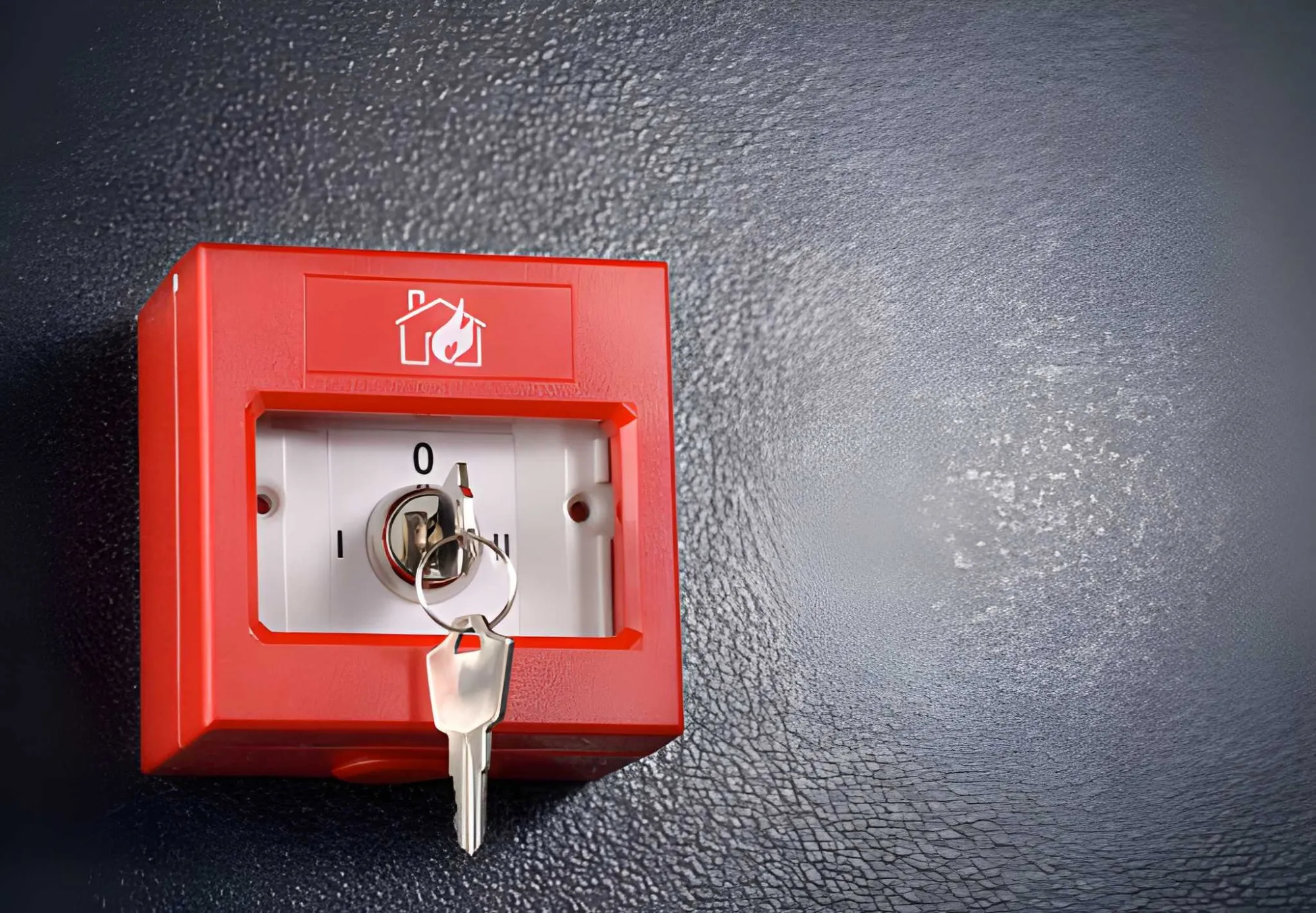

Fire sprinkler systems rely on several control and monitoring components to support dependable operation during emergencies and routine maintenance. Among these components, a key switch box can provide controlled access to specific system functions while helping authorized personnel manage testing or operational procedures. A properly selected Key Switch Box for Fire Sprinkler Systems can contribute to organized system management and help prevent unintended operation by limiting access to designated controls. Understanding its purpose, installation considerations, operating requirements, and maintenance needs allows facility personnel to manage sprinkler system components more effectively.
Supporting Controlled System Operation
A key switch box is generally designed to provide controlled access to a designated switch or control function associated with fire protection equipment. Its enclosure can protect the switch from accidental contact, unauthorized operation, or environmental exposure. Access is typically limited to personnel responsible for system maintenance or inspection activities. This arrangement can help ensure that important controls are operated deliberately and according to established procedures. By providing a defined access point, the switch box can support better organization around sprinkler system controls and contribute to safer handling during routine maintenance activities.
Why Key Switch Boxes Matter
Fire sprinkler systems may contain controls that should not be operated casually because unintended changes can affect system status or monitoring conditions. A key switch box provides a practical method for restricting access to selected controls. The physical enclosure helps identify an important control while the key mechanism provides an additional layer of access management. This can be particularly useful in areas where numerous people may work around sprinkler equipment. Properly managed access helps reduce the possibility of accidental operation and supports a more controlled approach to fire protection system maintenance.
Protecting Important Controls
A key switch enclosure can provide physical protection for a switch installed within or near fire sprinkler equipment. Mechanical damage, accidental contact, dust, moisture, or general environmental conditions can potentially affect exposed controls. An appropriate enclosure can help protect the switch while keeping it accessible to authorized personnel. The exact level of protection depends on the enclosure design and installation environment. Selecting equipment appropriate for the location helps maintain functionality and supports reliable access when the switch is required during inspection, testing, maintenance, or other authorized system procedures.
Applications Within Fire Protection Systems
Key switch boxes can serve several purposes depending on the configuration and requirements of a fire sprinkler installation. They may be associated with supervisory controls, testing arrangements, alarm related functions, or other designated system operations. The exact application depends on system design and applicable requirements. Because fire protection systems vary between buildings, the switch box should be selected and installed according to the specific control function it is intended to support. Proper application helps ensure that the enclosure provides useful access control without interfering with normal sprinkler system operation or required inspection procedures.
Supporting Testing and Maintenance
Routine sprinkler maintenance can require authorized personnel to operate designated controls. A key switch box can make these controls easier to identify while limiting access to trained individuals. During scheduled testing, personnel can use the appropriate key to access the switch and follow established procedures. After the activity is completed, the control can be returned to its required position and the enclosure secured. This organized process can help prevent controls from being left exposed or unintentionally changed. It also supports a consistent approach to maintenance activities across different inspection periods.
Considering Installation Requirements
Installation quality can influence the effectiveness of a key switch box. The enclosure should be positioned where authorized personnel can reach it without unnecessary difficulty while maintaining appropriate protection from surrounding conditions. The installation should also avoid creating obstacles for other sprinkler equipment or emergency access requirements. Proper mounting helps keep the enclosure secure and reduces the risk of accidental damage. Electrical connections, switch orientation, labeling, and related installation details should be addressed according to the system design and applicable requirements. Qualified personnel can help ensure that the installation is suitable for the intended application.
Choosing an Appropriate Location
The location of a key switch box should provide a balance between accessibility and controlled operation. It should be visible enough for responsible personnel to identify when necessary while remaining protected from routine interference. Excessively exposed locations may increase the chance of accidental contact, while poorly positioned enclosures can make maintenance unnecessarily difficult. Environmental factors should also be considered. Areas with significant moisture, dust, impact risks, or temperature variations may require equipment designed for those conditions. Thoughtful placement supports long term usability and helps ensure that authorized personnel can access the control when required.
Evaluating Key Switch Box Features
Different applications may require different enclosure and switch characteristics. Important considerations can include construction quality, locking mechanism, visibility, mounting arrangement, environmental protection, labeling, and compatibility with the intended switch. The enclosure should provide sufficient space for the selected control without creating installation difficulties. Clear identification can also help personnel recognize the purpose of the switch quickly. Feature selection should always be based on the specific system application rather than appearance alone. A properly matched enclosure can support reliable operation while making maintenance procedures more organized and straightforward.
Considering Durability
Durability is particularly important for components installed in mechanical rooms, sprinkler control areas, utility spaces, and other locations where equipment may experience frequent handling. A durable enclosure can withstand normal use and help protect the internal switch from accidental impact. Materials should be appropriate for the installation environment, while hinges, locks, and mounting points should remain functional through repeated operation. Regular inspection can identify signs of corrosion, loose hardware, damage, or deterioration. Maintaining the enclosure in good condition helps ensure that authorized personnel can access the control when required without unnecessary difficulty.
Supporting Safety During System Maintenance
Fire sprinkler maintenance should always be conducted using appropriate procedures because system controls can affect protection status. A key switch box can help establish controlled access, but it does not replace proper training or maintenance practices. Authorized personnel should understand the purpose of the switch before operating it and should follow established procedures for testing or maintenance. Any temporary system condition should be managed appropriately. Once work is completed, controls should be returned to their required positions and the enclosure secured. These practices help maintain system readiness and reduce the likelihood of unintended operational changes.
Preventing Unauthorized Operation
Restricting access to important system controls can help reduce accidental or unauthorized operation. In busy facilities, numerous employees, contractors, or visitors may pass through areas containing fire protection equipment. An accessible but secured key switch enclosure helps distinguish controls that require authorized handling. This arrangement can reduce the possibility of someone changing a system condition without understanding its consequences. Clear labeling can further reinforce the purpose of the enclosure. Together, controlled access and proper identification support a more disciplined approach to sprinkler system management and help preserve expected system conditions between scheduled maintenance activities.
Maintaining Key Switch Boxes
Routine inspection should include the physical condition and functionality of key switch boxes where they form part of the fire protection system. Personnel can check the enclosure for visible damage, corrosion, loose mounting hardware, damaged hinges, or problems with the locking mechanism. The switch itself should be evaluated according to the appropriate maintenance procedure. Any unusual condition should be documented and addressed by qualified personnel. Keeping the enclosure clean and accessible can also improve usability. Regular attention helps prevent minor problems from developing into access difficulties during an important testing or maintenance activity.
Checking Access and Identification
The key used to access the enclosure should be managed appropriately so authorized personnel can reach the control when required. Missing keys, damaged locks, unclear labeling, or obstructed enclosures can create unnecessary delays during inspections. Facility personnel should maintain an organized process for key control and ensure that responsible staff understand the access procedure. Labels should remain readable and accurately describe the relevant control where required. These simple maintenance practices can improve inspection efficiency and reduce confusion, particularly in facilities containing multiple sprinkler zones or several fire protection control points.
Supporting Reliable Fire Protection Management
A key switch box is only one component within a larger fire sprinkler protection strategy. Its value comes from supporting controlled access, organized maintenance, and appropriate handling of designated system controls. Effective fire protection management also requires regular inspections, testing, documentation, component maintenance, and timely correction of identified deficiencies. Facility managers should consider how individual components interact with the broader system when planning maintenance activities. Understanding these relationships can help ensure that seemingly small components receive appropriate attention and remain capable of supporting their intended function throughout the system's service life.
Integrating the Component Into Maintenance Planning
Maintenance planning should account for all components that contribute to system operation and control. A key switch box can be included in routine inspection checklists so its condition and accessibility are not overlooked. Inspection personnel can verify that the enclosure remains secure, identifiable, and suitable for its intended purpose. Any concerns can then be documented for appropriate follow up. Including the component in broader maintenance planning encourages consistency and helps facility personnel maintain awareness of smaller system elements. This systematic approach can contribute to more reliable fire protection management over time.
Making Informed Equipment Decisions
Selecting a key switch box should involve consideration of the fire sprinkler system, installation environment, control requirements, and maintenance practices. Facility personnel should avoid choosing equipment solely because it appears convenient or inexpensive. Compatibility and intended application are more important because an unsuitable enclosure may create access, durability, or operational concerns. Professional guidance can help determine appropriate specifications where system requirements are complex. A careful selection process supports better long term performance and can reduce the likelihood of replacing equipment prematurely. Thoughtful decisions also contribute to more organized and dependable maintenance practices.
Considering Future Maintenance Needs
Long term maintenance should be considered when selecting and installing a key switch box. Authorized personnel should be able to access the enclosure without difficulty, while the enclosure should remain secure during normal building operations. Replacement components, keys, mounting hardware, and other service requirements may also need consideration. A practical installation can make future inspections easier and reduce unnecessary service time. By considering accessibility and maintenance requirements from the beginning, facility managers can support consistent system care. This forward looking approach helps ensure that the component remains useful as the fire protection system continues to operate.
Conclusion
A key switch box can play an important supporting role in fire sprinkler system management by providing controlled access to designated switches and protecting important controls from accidental operation. Proper selection, installation, accessibility, durability, labeling, and routine maintenance all contribute to its effectiveness. Although the component is relatively simple, it should be considered as part of the broader fire protection system rather than as an isolated enclosure. Consistent inspection and responsible operation can help maintain system readiness. Organizations evaluating fire sprinkler testing and maintenance solutions can consider Zonecheck USA for support related to effective fire protection system management.



























Sign in to leave a comment.