


Inflammation is a natural response that helps the body respond to injury, infection, and tissue damage. In the short term, it can support the healing process. However, when inflammatory activity continues for a prolonged period, it may contribute to persistent pain and changes in how the body responds to painful signals.
Understanding the connection between inflammation and chronic pain can help explain why some conditions continue to cause discomfort even after the original injury has occurred. It can also help patients understand why treatment often involves more than simply taking medication for pain.
What Is Inflammation?
Inflammation is part of the body's immune response. When tissue is injured or exposed to a harmful stimulus, the body releases chemical signals that help coordinate the response.
Acute inflammation can cause symptoms such as swelling, warmth, redness, and pain around an affected area. These changes are part of the body's attempt to protect the area and begin the repair process.
Inflammation itself is not necessarily harmful. It becomes more complicated when the inflammatory response persists or repeatedly occurs.
Acute vs. Chronic Inflammation
Acute inflammation usually develops quickly and lasts for a relatively short period. A sprained ankle, minor injury, or infection can trigger this type of response.
Chronic inflammation is different. It can develop gradually and may persist for an extended period. Conditions such as osteoarthritis, autoimmune disorders, and some long-term musculoskeletal problems can involve ongoing inflammatory activity.
However, not all chronic pain is caused by inflammation. Pain can also involve nerves, mechanical problems, tissue degeneration, or changes in the nervous system. Identifying the underlying cause is therefore important before choosing treatment.
How Inflammation Can Contribute to Pain
Inflammatory chemicals can make nerves around an affected area more sensitive. This increased sensitivity can make otherwise normal movements or pressure feel painful.
For example, inflammation around a joint may cause discomfort when the joint is moved or loaded. Inflammation involving muscles or tendons can also make certain activities more uncomfortable.
When inflammation continues for a long time, changes can occur in the way pain signals are processed. This may contribute to increased sensitivity and persistent symptoms in some individuals.
Common Conditions Associated With Inflammatory Pain
Several musculoskeletal conditions may involve inflammation. These include certain forms of arthritis, tendon injuries, bursitis, and some acute or chronic injuries.
Osteoarthritis is sometimes described simply as a "wear-and-tear" condition, but the disease can also involve inflammation within the joint. The degree of inflammation can vary between individuals and stages of the condition.
Understanding the specific condition is important because treatment for inflammatory arthritis may differ considerably from treatment for mechanical or nerve-related pain.
Inflammation and Back Pain
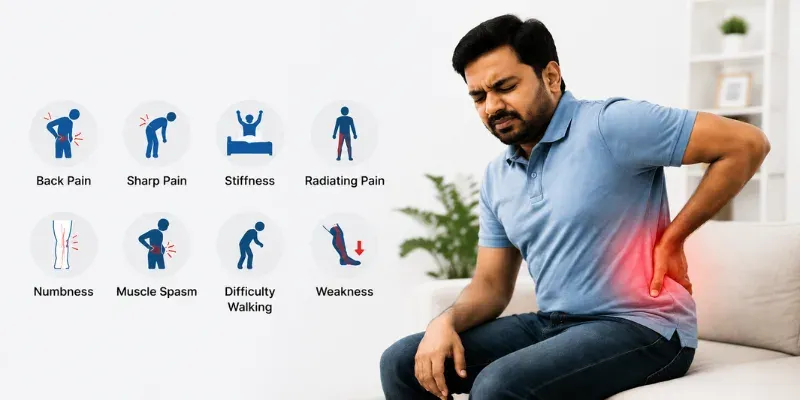
Back pain can have numerous causes, including muscle strain, spinal joints, discs, nerves, and other structures. Inflammation may be involved in some cases, but it is not the explanation for every type of back pain.
Treatment therefore depends on identifying the likely source of symptoms. Physical therapy, exercise, activity modification, medication, and selected interventional treatments may all have a role depending on the diagnosis.
For persistent spinal symptoms, consulting a Back Pain Doctor in Newport Beach can help determine possible causes and appropriate treatment options.
Inflammation and Joint Pain
Joint inflammation can cause pain, stiffness, swelling, and reduced mobility. Symptoms may become more noticeable after periods of inactivity or following activities that place stress on the affected joint.
Knee pain is a common example. Arthritis, injuries, and problems involving surrounding tendons or other tissues can all contribute to discomfort.
An evaluation by a Knee Pain Doctor in Newport Beach can help identify whether inflammation, structural changes, injury, or another factor may be contributing to persistent knee symptoms.
How Is Inflammation Evaluated?
There is no single test that can determine the cause of every painful condition. Evaluation usually begins with a detailed medical history and physical examination.
A healthcare professional may ask when the pain started, what activities make it worse, whether swelling is present, and whether stiffness occurs at particular times of the day.
Depending on the symptoms, imaging studies or laboratory tests may be considered. These tests can provide additional information when a particular inflammatory or structural condition is suspected.
Managing Inflammation Through Movement
Appropriate physical activity can be an important part of managing many chronic pain conditions. Gentle movement may help maintain joint mobility and muscle strength, while prolonged inactivity can contribute to stiffness and deconditioning.
The appropriate type and intensity of exercise depend on the underlying condition. Activities that are helpful for one person may aggravate symptoms in another.
Physical therapy can provide structured guidance and help patients gradually improve strength, flexibility, balance, and movement patterns.
Lifestyle Factors and Inflammation
Several lifestyle factors can influence overall health and may affect inflammatory processes. Regular physical activity, adequate sleep, balanced nutrition, and maintaining a healthy body weight can support general well-being.
For people with joint pain, maintaining an appropriate body weight may also reduce mechanical stress on weight-bearing joints.
These measures should not be considered a replacement for medical treatment when an underlying condition requires professional care. Instead, they can form part of a broader approach to managing chronic symptoms.
Medications and Other Treatments
Depending on the diagnosis, healthcare professionals may recommend medications designed to reduce pain or inflammation. The choice depends on the condition, medical history, other medications, and potential side effects.
Some patients may also be considered for targeted injections or other minimally invasive treatments when appropriate.
Treatment should be based on the underlying source of pain rather than inflammation alone. Reducing inflammation may help some patients, but it may not address pain caused primarily by nerve irritation, mechanical problems, or other factors.
Where Does PRP Fit Into Pain Management?
Platelet-rich plasma, or PRP, is another area being investigated for certain musculoskeletal conditions. PRP is prepared from a patient's own blood and contains concentrated platelets and biological signaling substances.
Research has evaluated PRP for conditions involving joints, tendons, and other tissues. Some studies have reported improvements in pain and function, while results have varied depending on the condition and treatment protocol.
Patients considering PRP Injections for Natural Rejuvenation should discuss the current evidence, potential benefits, limitations, and alternative treatments with a qualified healthcare professional.
When Should Chronic Pain Be Evaluated?
Persistent pain should receive professional attention when it continues despite basic self-care, repeatedly returns, becomes progressively worse, or interferes with sleep, work, exercise, or everyday activities.
Certain symptoms require prompt medical evaluation. These may include significant weakness, severe or progressive numbness, fever associated with pain, unexplained weight loss, major trauma, or changes in bowel or bladder function.
Early evaluation can help identify the source of symptoms and determine whether inflammation is actually contributing to the problem.
Final Thoughts
Inflammation is an important part of the body's natural response to injury, but its relationship with chronic pain is complex. Persistent inflammatory activity can contribute to pain and sensitivity in some conditions, while other chronic pain conditions may have little connection to inflammation.
Effective management begins with identifying the underlying cause. Depending on the diagnosis, treatment may include physical therapy, exercise, lifestyle changes, medication, targeted procedures, or selected regenerative approaches.
Understanding why pain occurs is an important first step toward choosing a treatment strategy that focuses not only on symptom relief but also on maintaining mobility and improving everyday function.



























Sign in to leave a comment.