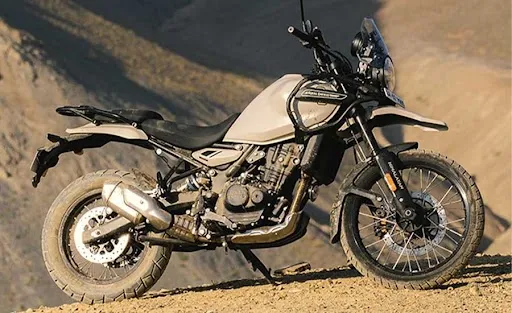

The landscape of motorcycle enthusiasts in India has witnessed significant shifts in preferences over recent years. Among the most compelling discussions in this context is the choice between the Royal Enfield Himalayan bike and the Royal Enfield GT 650. While both bikes have their loyal fan bases, the Himalayan often takes a lead when it comes to consumer preference. This article delves into the factors that contribute to buyers favoring the Royal Enfield Himalayan over the Royal Enfield GT 650, tracing the user journey from awareness to purchase and beyond.
The Genesis of Desire: Awareness Stage
The user journey begins in the awareness stage. Aspiring motorcyclists often seek bikes that resonate with their lifestyle and aspirations. The Royal Enfield Himalayan bike is marketed as a versatile motorcycle designed for adventure enthusiasts. Its rugged design and off-road capabilities are highlighted in promotional materials, appealing to a segment that desires not just a mode of transportation but a companion for exploration.
In contrast, the Royal Enfield GT 650 is marketed more towards the cruiser segment, appealing to those who enjoy leisurely rides on highways. However, while both motorcycles boast powerful engines and a classic aesthetic, the Himalayan’s focus on adventure aligns well with the growing enthusiasm for trekking and long-distance travel among urban youth. This disconnect in messaging creates a compelling reason for buyers to lean towards the Himalayan.
Initial Considerations: Research Stage
Once prospective purchasers become aware of the two models, they enter the research phase where they delve into specifics. At this stage, consumers typically consider various factors such as performance, price, comfort, and durability.
The Royal Enfield Himalayan bike, equipped with a single-cylinder, 411cc engine, appeals to adventure seekers because of its excellent torque and the ability to tackle a diverse range of terrains. Owners often praise the bike's comfort, especially on long journeys, highlighting its upright riding position and ergonomic design. In comparison, the Royal Enfield GT 650 , with its higher performance but sportier seating position, may not be as comfortable for long distances, which many adventure riders value.
In addition, the user reviews and community feedback around the Himalayan tend to reflect a higher level of satisfaction in terms of reliability when venturing into rough and uncharted territories. This reliability further solidifies the Himalayan’s reputation as the go-to choice for long rides and rugged terrains.
Driving Purchase Decisions: Evaluation Stage
As potential buyers continue their research, they evaluate not just the specifications but also the emotional connection and brand loyalty associated with each model. Royal Enfield has cultivated a strong community over the years, with the Himalayan emerging as a symbol of adventure and exploration. Its presence in various riding groups and forums further enhances its attractiveness.
During this stage, potential buyers are likely to visit showrooms, take test rides, and engage with fellow biking enthusiasts. The experience of physically sitting on the Himalayan, feeling its sturdy build, and understanding its features firsthand plays a crucial role in their decision-making process. The captivating narrative of the Himalayan, showcasing it as more than just a motorcycle but as a lifestyle choice, often influences buyers' choices significantly.
On the flip side, buyers considering the GT 650 may appreciate its sporty aesthetics and superior performance metrics but often find it less versatile for their intended use cases, especially if aimed at long-distance travel and off-road adventures.
The Final Pull: Purchase Stage
The purchase stage is where the decision is finalized. People often weigh not just the upfront buying cost but also the long-term implications of ownership. The Royal Enfield Himalayan bike is priced competitively, offering value for money — a significant draw for buyers, particularly those new to biking or those who want a reliable machine without breaking the bank.
Additionally, the availability of aftermarket support and parts for the Himalayan can also be a determining factor. Many buyers appreciate brands that foster customization and modifications; they want a bike that can evolve with their riding journey.
Even after significant comparisons, the Himalayan often emerges as a more practical choice for those intending to partake in diverse riding experiences.
Post-Purchase Experience: Retention Stage
Finally, after the purchase, the user journey transitions to post-purchase experiences, which significantly influences brand loyalty. Owners of the Royal Enfield Himalayan bike frequently express pride in their motorcycle, sharing their travel stories and photos across social media.
This sense of community and shared adventure boosts the overall experience of owning a Himalayan and reinforces the decision to buy. In comparison, while GT 650 ownership also fosters community, the camaraderie around the Himalayan tends to be more pronounced due to the shared interests in adventure riding.
Conclusion: Riding Towards the Future
As more riders emerge in the market, the dynamics of motorcycle preference will continue to evolve. For the current generation of bikers, particularly in India, the Royal Enfield Himalayan bike proves to be more than just a means to travel; it embodies a philosophy of adventure and exploration. While the Royal Enfield GT 650 is a remarkable motorcycle in its own right, the adaptable, rugged nature of the Himalayan coupled with its strong community support and value propositions positions it favorably among buyers.
Understanding the user journey reveals that a combination of factors shapes preferences, from brand messaging and safety to real-world experiences. As consumer preferences evolve, brands like Royal Enfield will undoubtedly continue to innovate, providing a diverse range of offerings suitable for every type of rider—from the casual weekend cruiser to the relentless adventurer seeking their next thrill.

























Sign in to leave a comment.